
Reviewed · KILLARNEY TOURS
From Dublin: 3-Day Dingle, Killarney & the Wild Atlantic Way
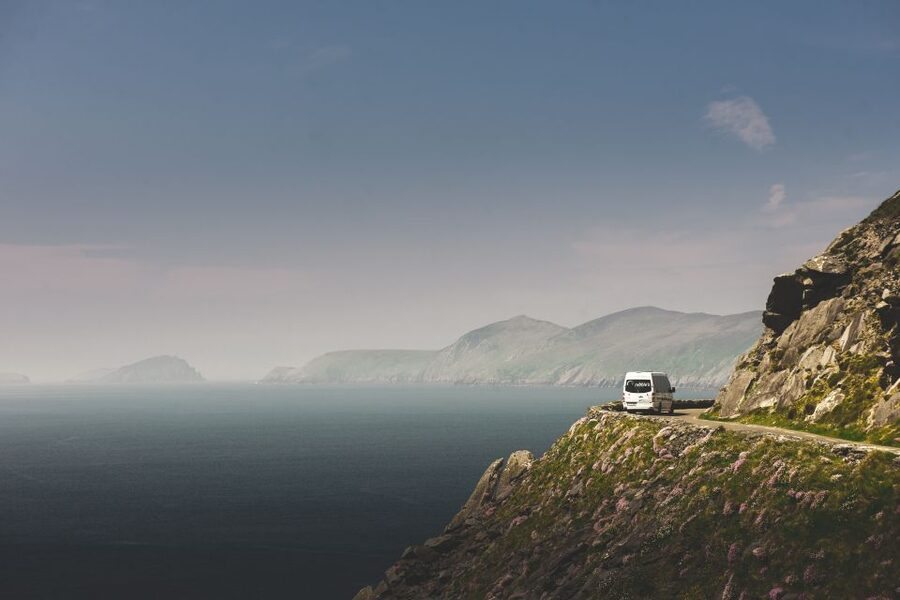
Ireland saves some of its best scenery for the long road west. This three-day trip links Glendalough’s quiet monastic ruins, the open roads of Dingle Peninsula, Killarney’s mountain country, and the Rock of Cashel without asking you to plan every turn yourself. The smaller Mercedes mini-coach keeps the group to no more than 16 people, a useful size for narrow roads and quick stops.
I like the strong mix of nature and old stone. You get lakes, cliffs, beaches, a waterfall, medieval ruins, and Irish-speaking communities, rather than three days of one scenic viewpoint after another. I also like the two-night stay in Dingle, which gives you a proper full day on the peninsula instead of a rushed drive-through.
The main catch is the pace. You cover a lot of Ireland in three days, and admission fees, meals, and refreshments are extra. Your B&B may sit 20 to 30 minutes on foot from pubs and restaurants, so this suits independent travelers who do not mind walking and packing light.
Key points to know before you book
- Glendalough starts the trip quietly, with time for its lakes, visitor center, and monastic ruins in a wooded Wicklow valley.
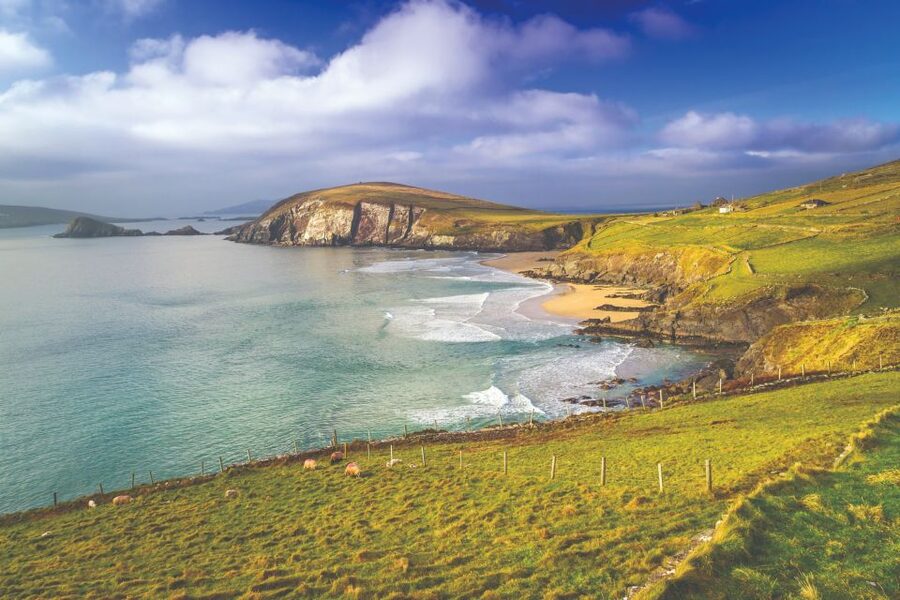
- Dingle gets a full touring day, including Conor Pass, Slea Head, the Beehive Huts, Gallarus Oratory, and Tóchar Maothaithe.
- The group stays small, with transportation in a 16-seat Mercedes mini-coach and a maximum of 16 participants.
- Two nights in Dingle reduce the unpacking, though the assigned B&B may be outside the town center.
- Killarney and Torc Waterfall add a short walk and mountain scenery before the final visit to the Rock of Cashel.
- The guide matters here, and Tom is specifically praised for making the west of Ireland feel personal, clear, and fun. Another guide was also praised for calm driving during flooding and strong winds.
Why this route works for a short Ireland trip
If you have only a few days beyond Dublin, this route gives you a useful sample of Ireland’s south and west. You move from County Wicklow to Laois, County Kerry, Dingle, Killarney, Tipperary, and back to Dublin. That is a lot of ground, but the route is carefully built around places that feel different from one another.
The first day is the longest in terms of travel. The payoff comes on Day 2, when you stay on Dingle Peninsula for the whole day. Many short Ireland trips treat Dingle as a quick photo stop. Here, you get time for the winding roads, old religious sites, beaches, and Irish-speaking parts of the peninsula to make sense.
The tour is also practical for anyone who would rather not drive. Ireland’s west coast roads can be narrow, weather can change quickly, and the route includes several places that are awkward to connect by public transportation. You can watch the scenery through the window while the driver handles the road.
A small group helps, too. Sixteen people is not private touring, but it is far more manageable than a full-size coach. You should still expect fixed departure and return times, though. This is an organized road trip, not a free-form exploration.
More Wild Atlantic Way Tours in Killarney:
- Dingle Peninsula Tour from Killarney: Including Wild Atlantic Way
★ 3.5 · 22 reviews - Dublin to Cliffs of Moher, including Wild Atlantic Way and Galway
★ 5.0 · 23,331 reviews - Dublin to Cliffs of Moher, Burren, Wild Atlantic Way, Galway Tour
★ 5.0 · 12,924 reviews
Day 1: Glendalough, Dunamase, and Adare
The tour leaves from opposite the Kilkenny Shop at 6 Nassau Street in Dublin 2. Your first major stop is Glendalough, a monastic site in the Wicklow Mountains. The setting does much of the work: two lakes, wooded slopes, and old stone ruins gathered in a peaceful valley.
You have free time here to look around, visit the visitor center, and take in the remains of the monastic city. The site is valuable because it combines history with a strong sense of place. The ruins are not presented in isolation. They sit where early religious life developed beside the lakes, so you can see why this valley offered both shelter and solitude.
Allow yourself time to look beyond the most obvious ruins. The lakes and surrounding paths are part of the experience, not just a backdrop for the round tower and church remains. Since this is free time rather than a tightly scripted walk, you can choose how long to spend with the history or the natural setting.
The next stop is Kilcullen, a traditional market town where you have a break for lunch. Meals are not included, so you can choose and pay for your own food. This kind of stop is useful after a morning in the hills because it gives you a normal town setting rather than another formal sight.
After lunch, the road continues west to the Rock of Dunamase and the ruins of Dunamase Castle in County Laois. The site sits on an outcrop above the old plains, giving you a strong view and a sense of why elevated ground mattered for defense. It is a brief, atmospheric stop, and the exposed position can make it feel especially open on a windy day.
Adare follows. It is known for its thatched cottages and old structures, and the remains of a 15th-century Franciscan Monastery add substance to its pretty appearance. Adare can look almost too polished at first glance, but the combination of cottages, historic buildings, and monastic ruins gives you more to consider than a quick village photo.
The day ends in County Kerry, in the town of Dingle. You stay here for two nights. That is one of the best choices in the schedule because it means you do not have to change accommodation after every scenic stop.
A useful word about the Dingle stay
The accommodation is in a small, locally owned guesthouse or B&B, with an en-suite room and breakfast. The exact property is selected from a range of options, so the experience will not be identical for every departure.
You should be ready for a location outside the center. Some B&Bs are 20 to 30 minutes on foot from pubs and restaurants. That walk may be pleasant after dinner, but it is worth considering if you prefer to stay in the middle of town or have difficulty walking at night.
There are no lifts at these types of properties. If stairs are a concern, tell the operator in advance. You are also limited to 14 kilograms of luggage per person, with one airline carry-on-sized case, about 55 by 45 by 25 centimeters, plus a small personal bag for the vehicle.
That luggage rule is sensible for a mini-coach, but it does require discipline. Pack for three days, bring layers, and keep anything you need during the day in your small onboard bag.
Day 2: Dingle Peninsula and the Irish-speaking west
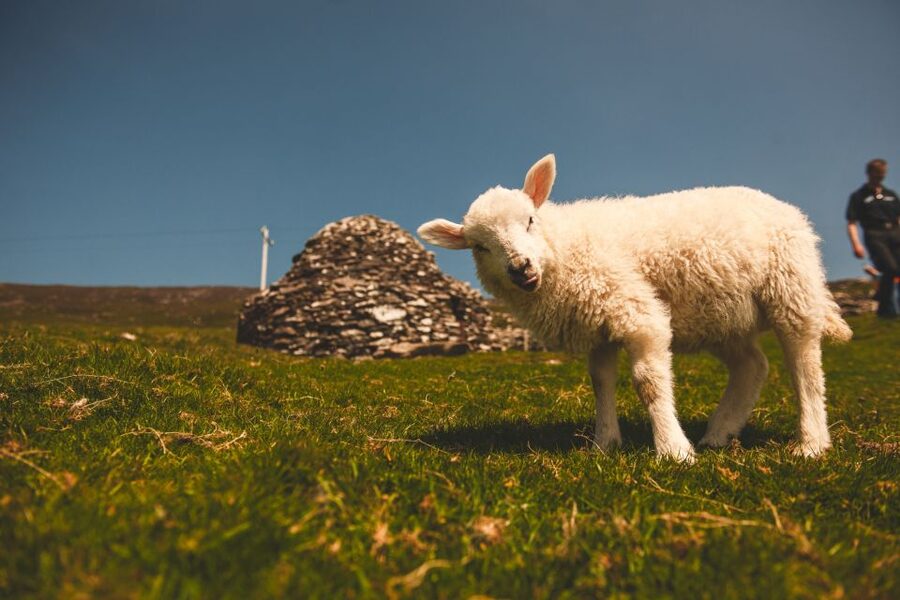
Day 2 is the heart of the trip. You head into the Gaeltacht, areas where Irish is the main language used by local people, and follow the Dingle Peninsula along the Wild Atlantic Way.
This is the day when the route feels least like a checklist. The roads connect beaches, stone structures, mountain passes, and sea views. Weather can alter the mood quickly, so do not expect every stop to look bright and calm. Wind, cloud, and rain are part of the Atlantic setting, and they can make the peninsula feel more powerful.
Conor Pass is one of the major viewpoints. The road climbs through mountain country, and the views give you a clear idea of how compact yet rugged Dingle is. You will want a camera, but keep your attention on the setting itself. The value here is not one perfect photograph. It is the change from sheltered town to open mountain road.
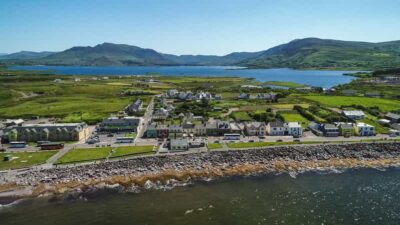
The route also includes Tóchar Maothaithe, the Beehive Huts, Slea Head, and Gallarus Oratory. These stops show the peninsula from different angles. Slea Head brings the open coastal views, while the stone sites offer a look at the area’s early religious and domestic remains.
The Beehive Huts are especially memorable because of their unusual dry-stone construction. The stones are fitted without mortar, forming small corbelled structures. Gallarus Oratory has a similar power: it is modest in scale but remarkable in its construction and survival.
You should listen closely to the guide during this part of the trip. The sites are small, and their meaning can be easy to miss if you simply walk up, take a picture, and leave. The guide connects the stones to the peninsula’s older religious life and to the continuing importance of Irish culture in the area.
The tour’s strongest personal touch comes from the guide. Tom is praised for making the west of Ireland feel close and familiar, with stories and local details woven into the drive. Another guide received strong praise for careful driving in flooding and strong winds. That matters on Dingle’s narrow, exposed roads, where confidence behind the wheel is not a minor detail.
You return to Dingle for a second night. Since the day includes several stops, you may appreciate having an evening without another long transfer. Your dinner and drinks are your own responsibility, as are all meals and refreshments during the tour.
More day trips out of Dublin:
- Killarney: Private transfer to & from Dublin | Premium Cars
★ 5.0 · 3 reviews - From Dublin: Cliffs of Moher, Burren & Galway City Day Tour
★ 4.8 · 18,888 reviews - Kilkenny, Wicklow Mountains & Glendalough Day Tour from Dublin
★ 5.0 · 7,897 reviews - From Dublin: Wicklow Mountains, Glendalough & Kilkenny Tour
★ 4.8 · 6,235 reviews
Day 3: Inch Beach, Torc Waterfall, and Killarney
Before leaving the peninsula, the route stops at Inch Beach. This broad beach gives you a final view toward the Kerry Mountains and the direction of Killarney. It is a good pause after the tighter roads around Slea Head, with more room to stretch your legs and take in the scale of the coast.
The drive then passes several lakes on the way toward Killarney National Park. The scenery shifts again, from the open Atlantic edge to wooded and mountainous country. You do not spend the entire day walking, but the route includes a short walk to Torc Waterfall.
Torc Waterfall drops about 20 meters and is tied to an old curse story. The walk is short, making this an accessible way to experience one of the park’s best-known natural features without giving up the rest of the day to hiking.
Good footwear is still sensible. A short walk can be slippery in wet Irish weather, and the tour may encounter exactly the sort of conditions that make the west coast dramatic. Bring a waterproof layer and keep your hands free for the walk.
Lunch is in Killarney, a lively lakeside town. This is your chance to eat in a place with more services and a different feel from Dingle. Killarney is a convenient base for the national park, and the stop gives you a little town time before the final historic site.
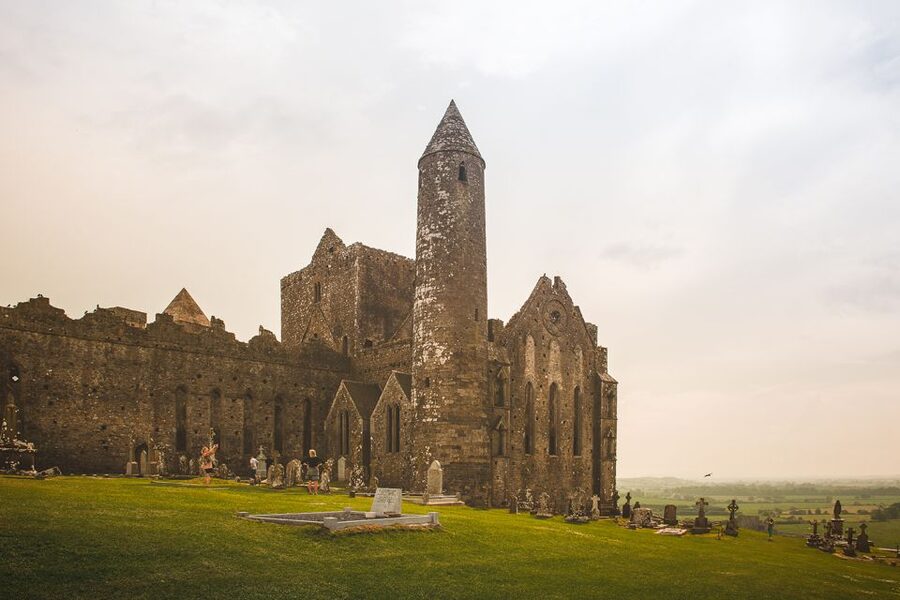
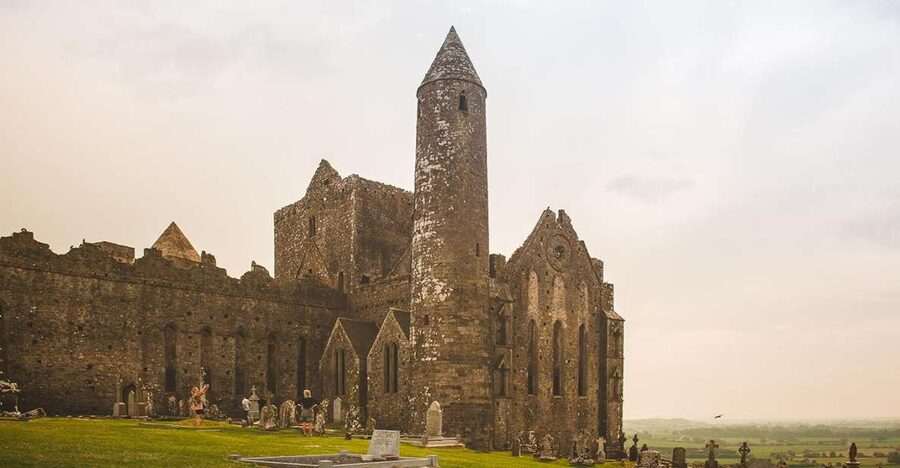
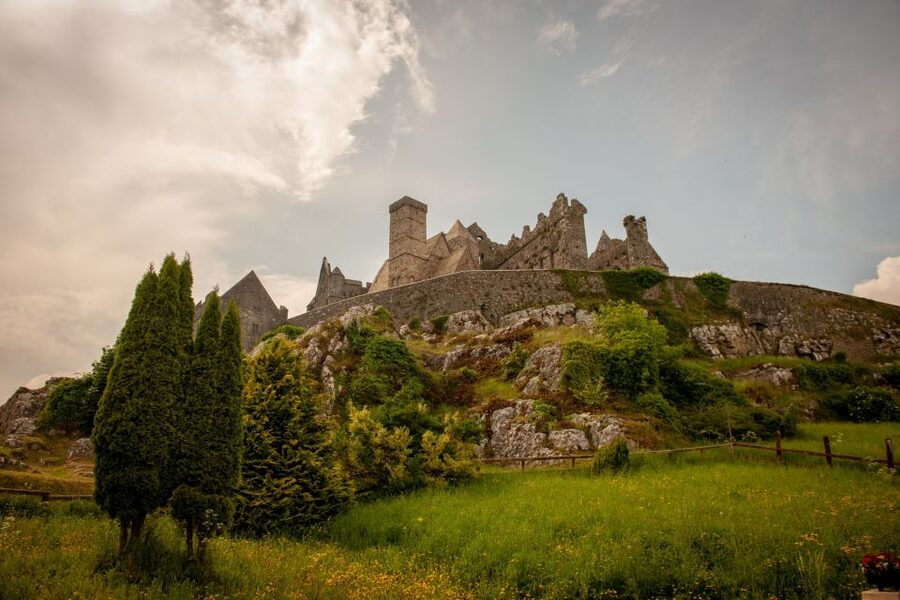
The last major stop is the Rock of Cashel. This group of medieval buildings sits on a limestone outcrop and includes a round tower, High Cross, and Gothic cathedral. The elevated position makes the site impressive before you even begin looking at the buildings.
Cashel is a strong final stop because it gathers several layers of medieval architecture in one place. The round tower has a tall, distinct profile, while the cathedral gives the site a larger, more formal presence. You have time to explore the complex, but admission is not included, so budget separately for entry.
After Cashel, you drive back to Dublin. The expected arrival is around 7:00 PM, although road conditions can affect any return journey. Do not schedule a tight evening flight or an important appointment immediately after the tour.
What the $684 price includes
At $684 per person, this is not a budget bus ride. The price includes transportation in a 16-seat Mercedes mini-coach, an English-speaking driver-guide, two nights in an en-suite B&B or guesthouse, and breakfast.
The accommodation is the main cost-saving feature compared with a private tour using hotels in every town. You receive a local-style stay rather than a standardized chain property. The tradeoff is that the exact B&B varies, some properties are outside the center, and stairs may be unavoidable.
Meals, refreshments, and admission fees are not included. That makes the final cost higher than the advertised price, especially if you enter Glendalough’s visitor center or the Rock of Cashel and eat out for three days. You should set aside extra money for lunches, dinners, drinks, and paid sites.
I think the price can make sense if you value the route and the guide more than a luxury hotel. Driving this itinerary yourself would mean handling fuel, parking, narrow roads, navigation, and two nights of accommodation. You would also need to build the route and decide which stops deserve your limited time.
The value is weaker if you want long walks, free evenings in every town, or complete control over your schedule. The trip covers a lot of territory, so you are paying for access to a broad route rather than deep time at each individual site.
Who will enjoy this three-day route
I would recommend this trip to first-time visitors who want to see more than Dublin but do not want to rent a car. It is also a good fit if you like history and scenery in equal measure, since the schedule moves between monastic ruins, castles, beaches, mountain roads, and medieval buildings.
The tour works well for solo travelers and couples who prefer a small group. The driver-guide gives the journey a social element, while the B&B stay offers a more local setting than a large hotel.
Families can join if children are at least five years old. Still, the long drives, fixed itinerary, and limited luggage may be easier for older children than for very young ones.
You should think twice if you dislike changing weather or want a slow holiday. Dingle’s coast can be windy and wet, and Day 1 includes a substantial amount of driving. You will also need to manage your own dinners and find your way back from a B&B that may be a 20 to 30 minute walk from town.
Practical advice for a smoother ride
Wear shoes that can handle a short wet walk and uneven ground. A waterproof jacket is more useful than an umbrella on exposed Atlantic roads.
Keep your personal bag small and accessible. The 14-kilogram luggage limit is firm enough that you should avoid bringing a large suitcase. Pack layers because the conditions at Conor Pass or Slea Head may differ from those in Dublin.
Use the free time at Glendalough wisely. If you want to see the visitor center and the monastic ruins, do not spend the entire stop taking photographs at the first lake.
At Dingle Peninsula, pay attention to the guide’s timing. The route includes several named stops, and wandering too far from the meeting point can leave you rushed. This is a place where local explanation adds real value, especially at the Beehive Huts and Gallarus Oratory.
Finally, leave flexibility around the 7:00 PM Dublin return. The tour includes long drives, and one guide has been praised for handling flooding and strong winds safely. That is reassuring, but weather can still slow the road home.
FAQ
How long does the tour last?
The tour lasts three days and includes two nights away from Dublin.
Where does the tour begin?
It departs from opposite the Kilkenny Shop at 6 Nassau Street, Dublin 2.
Where does the tour end?
It returns to the same meeting point in Dublin.
What time does the tour return to Dublin?
The expected arrival time is around 7:00 PM on the final day.
What type of transportation is used?
Transportation is provided in a 16-seat Mercedes mini-coach.
How many people can join the tour?
The group is limited to 16 participants.
Is accommodation included?
Yes. Two nights of en-suite B&B or guesthouse accommodation with breakfast are included.
Are meals and entrance fees included?
No. Meals, refreshments, and admission fees are not included.
How much luggage can I bring?
You may bring up to 14 kilograms of luggage per person. This should be one airline carry-on-sized piece, approximately 55 by 45 by 25 centimeters, plus a small personal bag.
Should you book this Dingle and Killarney tour?
Book it if you want a compact, well-rounded introduction to southwest Ireland without driving. The best parts are the full day on Dingle Peninsula, the two-night base in Dingle, and the chance to hear the area explained by a guide such as Tom, whose storytelling gives the route a personal feel.
Do not book it expecting a luxury stay or a relaxed schedule. You will pay extra for food and admissions, carry limited luggage, and possibly walk 20 to 30 minutes from your B&B to town. But if your priority is seeing Glendalough, Dingle, Killarney, Torc Waterfall, and the Rock of Cashel in one manageable trip, this is a strong use of three days.
More 3-Day Experiences in Killarney
- 3-Day Blarney Castle, Ring of Kerry, & Cliffs of Moher Rail tour
★ 4.5 · 211 reviews - 3-Day Southern Ireland Tour Including Galway and Kerry from Dublin
★ 4.5 · 123 reviews - From Dublin: Galway and Kerry 3-Day Budget Tour
★ 4.3 · 66 reviews - 3-Day Northern Ireland Tour from Dublin: Giant’s Causeway & Titanic Experience
★ 3.5 · 20 reviews
Recently added around Killarney
- Killarney: Gap of Dunloe Day Tour★ 4.7 · 3 reviews
- Private Tour: Ring of Kerry from Sneem and Parknasilla.★ 5.0 · 3 reviews
- Killarney: Brewery Tour and Tasting★ 5.0 · 3 reviews
- Private Ring of Kerry Tour in Ireland★ 5.0 · 3 reviews
- Killarney: Private transfer to & from Dublin | Premium Cars★ 5.0 · 3 reviews
- Kayak to Innisfallen island. Killarney. Guided. 2½ hours.★ 5.0 · 3 reviews
- Private Dingle and Slea Head★ 5.0 · 3 reviews
- The Cliffs of Moher and Burren National Park Private Tour.★ 5.0 · 3 reviews
Killarney Tours, compared.
Guided Climb of Carrauntoohil with KerryClimbing.ie
Read our review →
NO 1 Ring of Kerry Tour inc Killarney Lakes & National Park
Read our review →
Browse the lists this tour appears in