
Reviewed · DUBLIN
Kildare: Irish National Stud & Gardens
The Irish National Stud gives you something rare: a look inside a working thoroughbred breeding farm that welcomes the public. You can see stallions, mares, and foals, then meet famous retired racers such as Hurricane Fly, Beef, Salmon, and Faugheen.
I especially like the thoughtful Japanese Gardens, with its Life of Man path, and the excellent Irish Racehorse Experience, which turns breeding, training, betting, and race day into a hands-on story. The main drawback is seasonal: from October onward, fewer horses are on the grounds and public tours run less often.
The visit works best when you plan your timing instead of simply arriving and wandering. Allow at least 40 minutes for the racehorse exhibit, then fit in a public tour at 10:30, noon, 2 p.m., or 4 p.m. Summer offers more tour times, while the last entry is 5 p.m.
Key points to know before you go
- A working stud farm open to the public: See breeding stock, young foals, and the grounds where top racehorses are produced.
- Retired champions in the Living Legends paddock: Hurricane Fly and other household names form one of the most memorable parts of the visit.
- Two very different gardens: The Japanese Gardens offer a quiet, symbolic walk, while St Fiachra’s Garden celebrates Irish plants and wildlife.
- A hands-on racehorse story: Buy an imaginary yearling, follow its development, and see how your horse performs on race day.
- Tour schedules change by season: Summer has the most public tours, while October schedules narrow to 11 a.m. and 2 p.m.
- A practical Dublin side trip: The stud is about 40 minutes outside Dublin, making it a manageable day visit by car or organized transport.
Why the Irish National Stud is more than a horse farm
Horse racing is woven into Irish life, but it can be hard to understand from the grandstands alone. At the Irish National Stud, you see what happens long before a horse reaches a racecourse: breeding, foaling, early training, selection, racing, and retirement.
The setting covers 850 acres of rolling green land in County Kildare. That space matters. This is not a small indoor display with a few horses placed behind a fence. You move through farm areas and gardens, with real breeding stock and retired racehorses nearby.
You also get a useful look at the business side of racing. The public tour explains how the stud operates, generates income, and chooses a young horse that might become a future stallion. That practical detail gives the visit more substance than a simple photo stop.
I would not describe the experience as only for racing fans. The gardens and retired horses make it accessible to a wider audience, while the guided portion adds context for anyone who knows little about thoroughbreds.
Other Ireland days that fit the same trip:
- Dublin to Cliffs of Moher, including Wild Atlantic Way and Galway
★ 5.0 · 23,331 reviews - From Dublin: Cliffs of Moher, Burren & Galway City Day Tour
★ 4.8 · 18,888 reviews - Dublin: Guinness Storehouse Entry Ticket
★ 4.6 · 16,863 reviews
Start with the Irish Racehorse Experience
I recommend beginning with the Irish Racehorse Experience, especially if you have a scheduled public tour later in the day. Allow around 40 minutes, and do not leave it until the last few minutes before your tour begins.
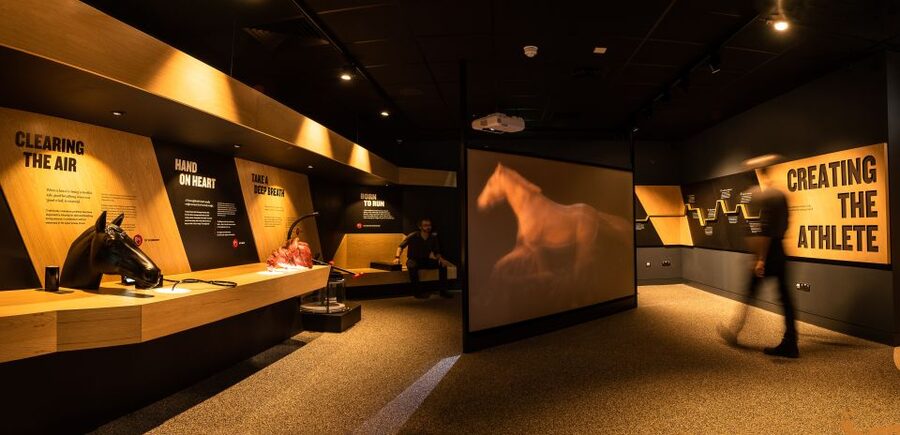
The exhibit follows a racehorse from birth through retirement. You receive a horse box and get the chance to act as the owner of a racehorse. The process includes learning about foaling, the early years, and the background of the thoroughbred.
One of the most entertaining sections is the interactive yearling auction. You choose and purchase an unbroken young horse, then follow the decisions that shape its future. This gives you a better sense of why buying a racehorse involves more than picking the animal with the prettiest appearance.
The exhibit continues through rooms focused on training, racecourses, jockeys, and horse anatomy. You also learn about the physical demands placed on these animals, which helps explain the care and preparation needed before a race.
Then comes race day. Your chosen horse appears in an animated racing presentation with fashion, betting, and commentary. You can even take part in a simulated ride and see how your investment performs.
The final room looks out through large windows toward retired racehorses in their paddock. This is a strong ending because it shifts the focus from winning races to life after racing. It also explains how famous horses and people connected with the stud went on to different parts of the world.
Children under seven cannot use this part of the attraction unless accompanied by an adult. The exhibit is best suited to children old enough to follow a story and make choices, though adults can enjoy the racing and betting elements too.
Join the public tour through the breeding farm
The public tour is the part that brings the stud’s daily work into focus. Tour times are listed as 10:30 a.m., noon, 2 p.m., and 4 p.m. During summer, extra departures are available at 1 p.m. and 3 p.m.
From October, the timetable becomes much more limited, with tours at 11 a.m. and 2 p.m. Check the current schedule before setting out, since the season affects how much you can see and how long you may need to wait.
A guide takes you through the stallion area, where you can see some of the farm’s most carefully bred horses. The appeal here is not simply size or beauty. The guide explains why particular animals matter and how a stallion may contribute to the future of the breed.
Sue and Amanda are among the guides associated with this experience. Amanda is noted for her clear explanations of the stud and her obvious affection for horses, while Sue has been praised for making the tour informative and enjoyable. Guide quality matters here because the horses do not explain themselves. Much of the value comes from understanding what you are looking at.
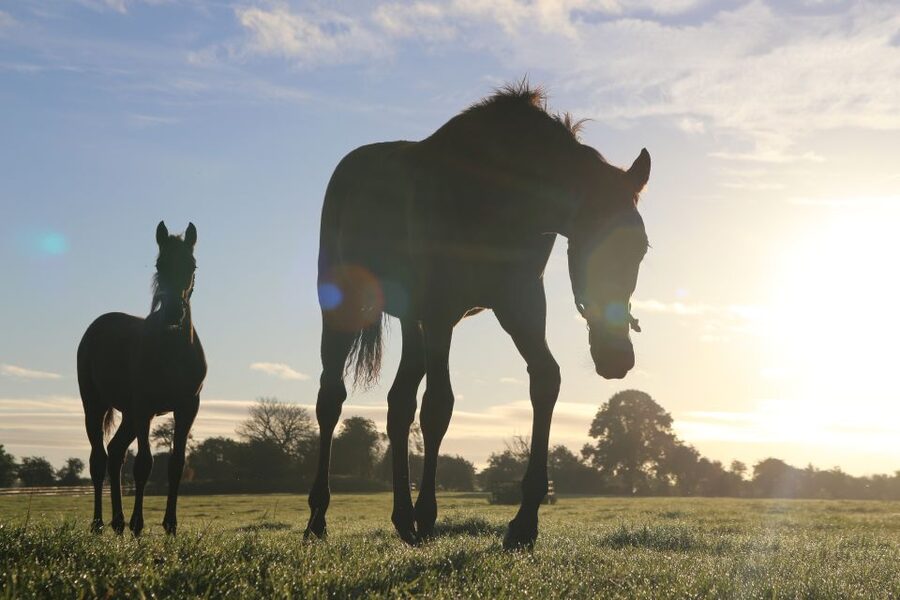
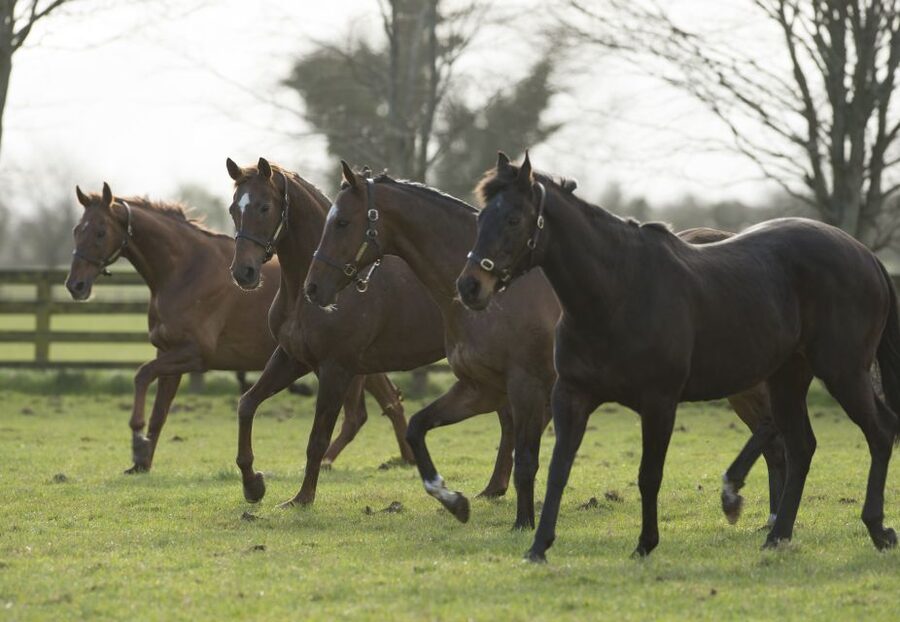
The route continues to the mares and foals. This section often provides the most natural photographs, with young foals moving around their mothers. You should keep in mind that animals do not follow a visitor schedule, so the exact activity in the paddocks will vary.
Seeing the foals also adds a useful counterpoint to the polished image of racehorse ownership. The racing world depends on a long process of breeding, care, and patience before any horse reaches a starting gate.
The tour lasts just over an hour according to the stated experience details. If you want both the tour and the racehorse exhibit, plan your day carefully. A late afternoon arrival can leave you with enough time for the gardens but not enough time for every indoor section.
Meet Hurricane Fly and the Living Legends
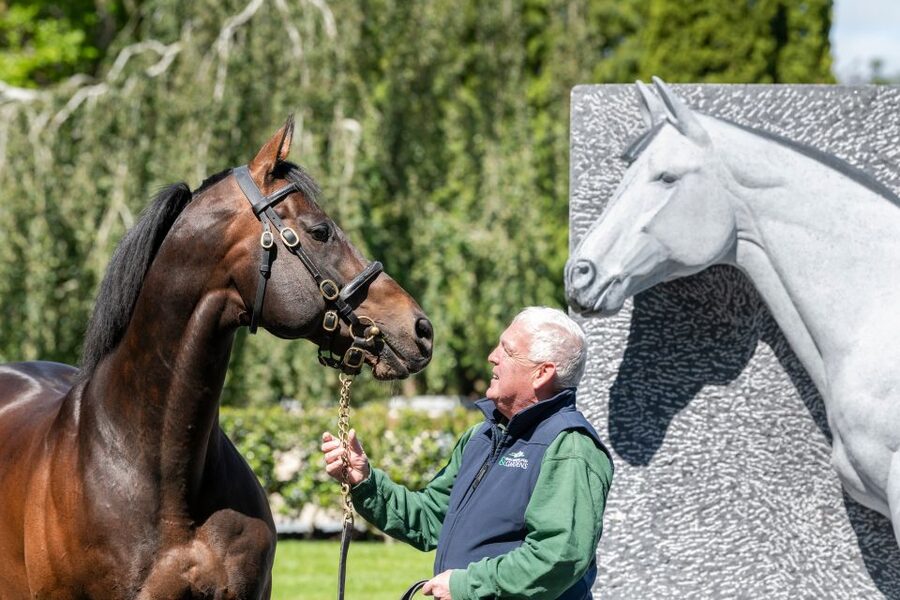
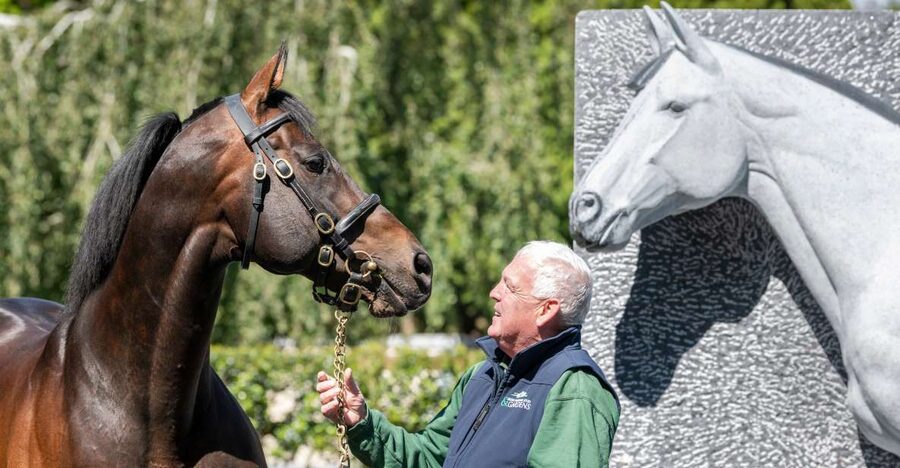
The Living Legends area is one of the strongest reasons to visit, even if you are not familiar with Irish racing. Retired horses including Hurricane Fly, Beef, Salmon, and Faugheen are part of the stud’s Living Legends team.
These names carry special weight for racing followers, but you do not need to know their records to appreciate the setting. The horses are shown in retirement, grazing in paddocks rather than competing under pressure. That makes the encounter feel calmer and more personal than a race-day introduction.
The nearby Living Legend room has floor-to-ceiling windows overlooking the paddocks. It explains what happens after a horse’s racing career and traces the wider connections of well-known horses and people.
I like this part because it gives the visit an ending with some perspective. Racing often focuses on speed, prizes, and winners. Here, you are reminded that a racehorse’s life continues after the cheers have stopped.
The paddocks also make this a pleasant stop for families. You can pause, watch the horses, and take a break from the more information-heavy exhibit. Bring patience rather than expecting an arranged performance. The horses may be grazing, moving around, or resting when you arrive.
A different sort of day from the same base:
- Dublin to Cliffs of Moher, Burren, Wild Atlantic Way, Galway Tour
★ 5.0 · 12,924 reviews - Dublin to Belfast Black Cab, Dunluce Castle and Giant’s Causeway
★ 5.0 · 7,954 reviews - Kilkenny, Wicklow Mountains & Glendalough Day Tour from Dublin
★ 5.0 · 7,897 reviews - From Dublin: Wicklow Mountains, Glendalough & Kilkenny Tour
★ 4.8 · 6,235 reviews
Walk the Japanese Gardens and St Fiachra’s Garden
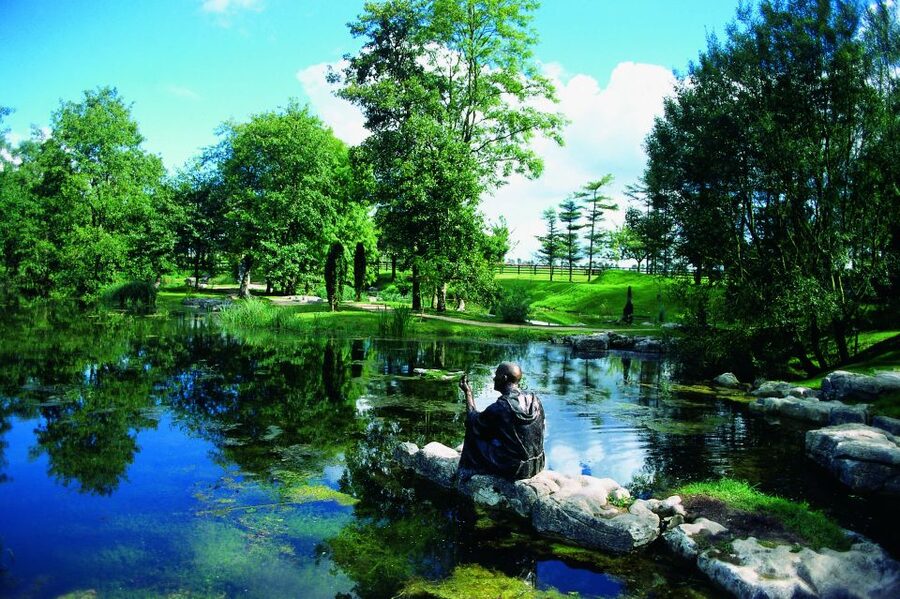
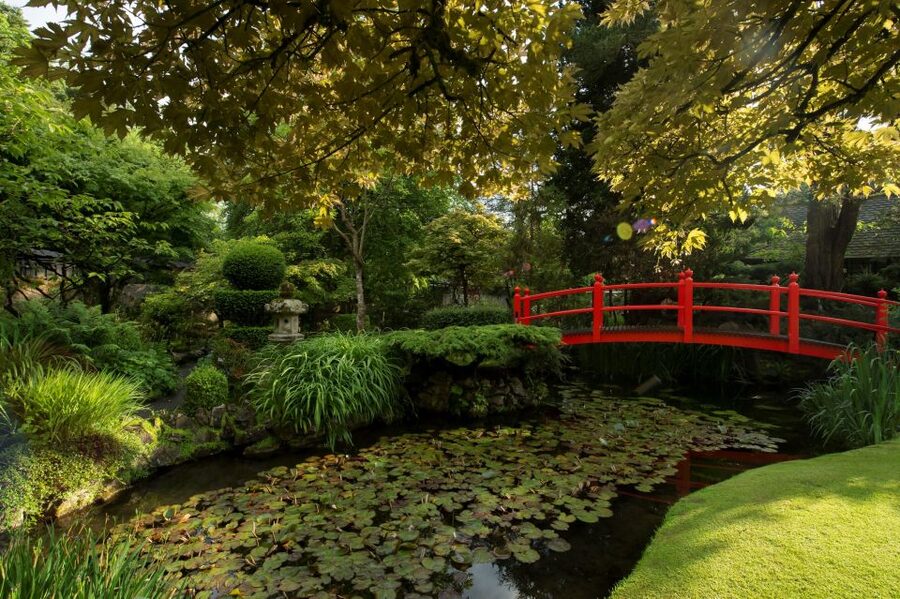
The Japanese Gardens provide a complete change of pace from the horses and racing displays. Paths lead through a carefully planned garden that follows the Life of Man, tracing a soul’s journey from birth to death and beyond.
You can treat this as a quiet garden walk, or pay attention to the symbolic route. Either way, it offers a peaceful hour away from the farm activity. The gardens are well kept, and their design gives the visit a stronger sense of purpose than a standard ornamental garden.
The Japanese Gardens are particularly useful if your group has mixed interests. One person can focus on horses while another enjoys plants, water, paths, and views. They also provide a good option if weather makes you want a slower outdoor stop between tours.
St Fiachra’s Garden has a different character. It is described as an Irish garden that represents the power of the Irish setting, with native species and Irish wildlife. Instead of following a symbolic Japanese plan, it turns your attention toward local nature.
You should allow time for both gardens rather than assuming one will be enough. They are not interchangeable. The Japanese Gardens offer an ordered, reflective walk, while St Fiachra’s Garden connects more directly with Irish plants and the surrounding countryside.
The grounds are open to changing weather, so bring suitable clothing. The gardens can still be worthwhile in light rain, but wet conditions may make paths less comfortable and reduce the pleasure of a long walk.
Planning a full day near Dublin
The Irish National Stud is around 40 minutes from Dublin, placing it within easy reach for a day trip. The ticket covers entry to the stud, both gardens, and the Irish Racehorse Experience, along with the public tour.
The stated price is $22 per person. I consider that fair if you use the ticket as a full visit rather than a quick stop. You receive several separate elements: a guided farm tour, access to working horse areas, the Living Legends, two gardens, and a substantial interactive exhibit.
The value is weaker if you arrive close to closing time or outside the main breeding season. The last entry is 5 p.m., but the racehorse exhibit runs from 11 a.m. to 4 p.m., so a late arrival can cut out one of the ticket’s main features.
For a better day, arrive with enough time to see the Irish Racehorse Experience before a public tour. After the tour, visit the stallions, mares, and foals at a relaxed pace, then walk through the gardens. Finish near the Living Legend room if you want to watch the retired horses.
A restaurant is available on the grounds. A meal there can make the visit easier, especially if you are treating the stud as a full-day outing rather than squeezing it between other stops.
The experience is wheelchair accessible. The public tour is guided, and tour times can change by season, so check the current schedule before you go.
The best months for seeing the stud
February through September is the strongest period to visit because the stud has more stock on the grounds. From October onward, the operation begins to wind down and there is limited stock to see.
That seasonal change affects the atmosphere. During the main months, you have a better chance of seeing stallions, mares, and foals as part of a working breeding operation. In the later season, the gardens and indoor exhibit still offer reasons to visit, but the horse side may feel quieter.
Summer brings the widest choice of public tour times: 10:30 a.m., noon, 1 p.m., 2 p.m., 3 p.m., and 4 p.m. Outside the summer timetable, the regular times are 10:30 a.m., noon, 2 p.m., and 4 p.m. From October, only 11 a.m. and 2 p.m. tours are listed.
If your schedule is flexible, choose a spring or summer day and give yourself several hours. If you are visiting in autumn, focus your expectations on the gardens, the interactive exhibit, and the Living Legends rather than expecting a busy breeding season.
Who will enjoy this visit most?
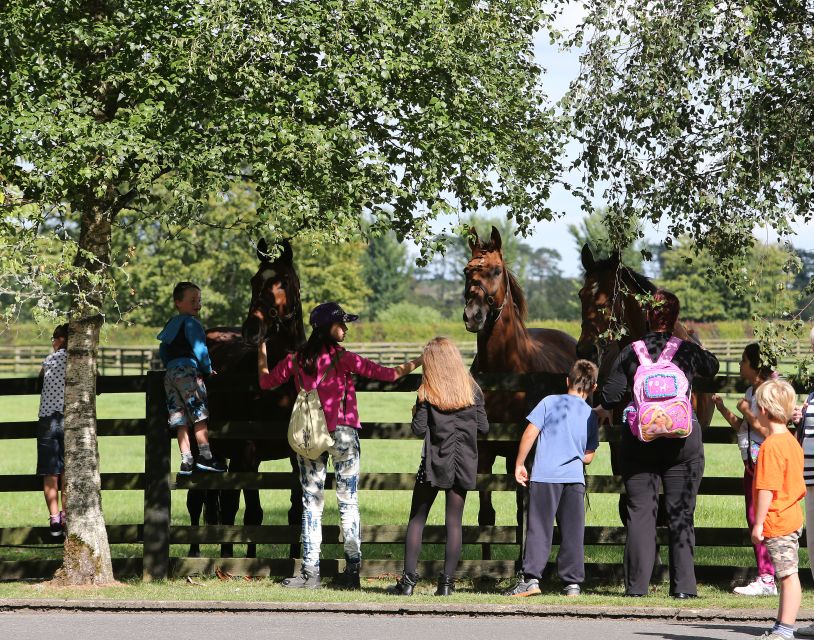
I would choose the Irish National Stud for several types of visitors:
- Horse lovers get access to stallions, mares, foals, and retired racing champions.
- Families can combine animals, gardens, and a racehorse game, though younger children need adult help with the interactive exhibit.
- Garden enthusiasts have two distinct gardens to explore, each with its own style and purpose.
- First-time racing followers get a clear introduction to breeding, auctions, training, jockeys, betting, and race day.
- Dublin visitors can make a manageable day trip without committing to a distant rural excursion.
It may not suit you if you want a fast indoor attraction or if your schedule allows only an hour. The farm grounds and gardens reward a slower visit, and the full value comes from combining several parts of the site.
Rain should not automatically put you off. The public tour and horse areas are outdoors, but the racehorse exhibit gives you an indoor portion, and the gardens can still be attractive in light rain. Just expect less comfortable walking in poor weather.
A few practical timing tips
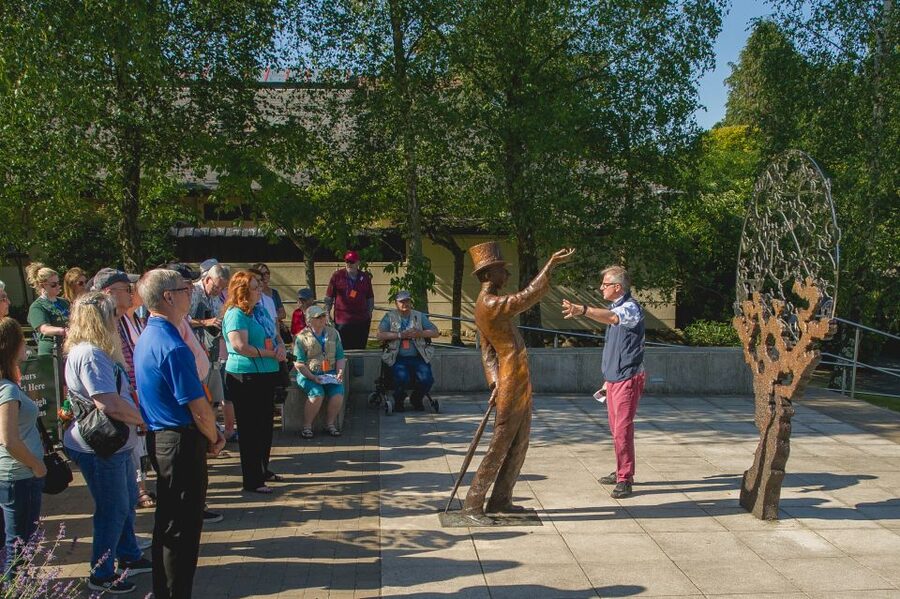
Book or check availability with the tour time in mind, not only the entry date. Arriving at 4 p.m. may technically leave time before last entry, but it does not give you enough room for the racehorse exhibit, which closes at 4 p.m.
If you have a choice, I would aim for a morning or early afternoon arrival. Start indoors, join the next suitable public tour, and leave the gardens for afterward. This order reduces the risk of missing the guided portion.
Keep at least 40 minutes for the Irish Racehorse Experience. If you want to read the displays and take part in the auction and race simulation without rushing, more time would be helpful.
Public tour times may be updated, so check the Irish National Stud website before your visit. The listed schedule includes a live guide, but the exact departure pattern depends on the season.
Free cancellation is available up to 24 hours before the visit for a full refund. You can also reserve now and pay later, which helps if your Ireland plans are still shifting.
Should you book the Irish National Stud?
Book it if you want a varied County Kildare outing that combines real horses, racing culture, gardens, and a hands-on exhibit. The Living Legends and the public tour are the main draws for horse lovers, while the Japanese Gardens make the visit worthwhile for people who would not normally choose a racing attraction.
I would give it extra priority from February through September, when more stock is on the grounds. In October and later, check the reduced tour schedule and accept that the farm may be quieter.
For $22 per person, the visit offers good value when you allow most of a day and use all the included areas. Skip it only if you have limited time, dislike outdoor walking, or cannot fit your schedule around the public tour and racehorse exhibit hours.
FAQ
How far is the Irish National Stud from Dublin?
The Irish National Stud is about 40 minutes outside Dublin.
What does the ticket include?
The ticket includes entry to the stud, the gardens, and the Irish Racehorse Experience. It also includes the public tour.
What public tour times are available?
Regular public tours are listed at 10:30 a.m., noon, 2 p.m., and 4 p.m. During summer, additional tours are available at 1 p.m. and 3 p.m. From October, tours are listed at 11 a.m. and 2 p.m.
What are the opening hours for the Irish Racehorse Experience?
The Irish Racehorse Experience is open from 11 a.m. to 4 p.m. The last entry to the wider attraction is 5 p.m.
Can children under seven use the Irish Racehorse Experience?
Children under seven may use the Irish Racehorse Experience only when accompanied by an adult.
Is the Irish National Stud wheelchair accessible?
Yes, the experience is wheelchair accessible.
Recently added around Ireland
- Killarney: Gap of Dunloe Day Tour★ 4.7 · 3 reviews
- Sean’s Bar, Athlone Castle and Clonmacnoise Monastery★ 4.5 · 3 reviews
- Dublin: Pub Tour. Pour The Perfect Guinness, Whiskey & Music★ 5.0 · 3 reviews
- Ferry ticket – Day return ticket to Inishbofin Island from Cleggan. Self Guided.★ 5.0 · 3 reviews
- Connemara/Galway: Inis Meáin Return Ferry Transfer★ 4.7 · 3 reviews
- Cork Private Walking Tour★ 5.0 · 3 reviews
- Waterford Crystal and Kilkenny Full-Day Rail Tour from Dublin★ 5.0 · 3 reviews
- Cliffs of Moher and The Burren Private Tour from Dublin★ 5.0 · 3 reviews