
Reviewed · DUBLIN TOURS
Best of Ireland 6-Day Backpackers Economy Tour
Ireland packs a lot into this six-day trip. You’ll cross the island from Dublin to Belfast, Derry, Galway, Dingle, Killarney, Cork, and back to Dublin, with the Cliffs of Moher and Giant’s Causeway providing the big wow moments. I like the small-group feel on most days and the way guides such as Gordon and Dani bring pub suggestions, local introductions, and useful evening ideas into the trip.
I also like that the backpacker option can include private lodging on the Dingle Peninsula, plus breakfast on four of the five mornings. The main caution is the pace: you cover a huge amount of ground, and the first day may use a larger coach. One stay in Belfast has also been described as dirty, so this is best for flexible, active travelers who value access and price over polished lodging.
Key points before you book
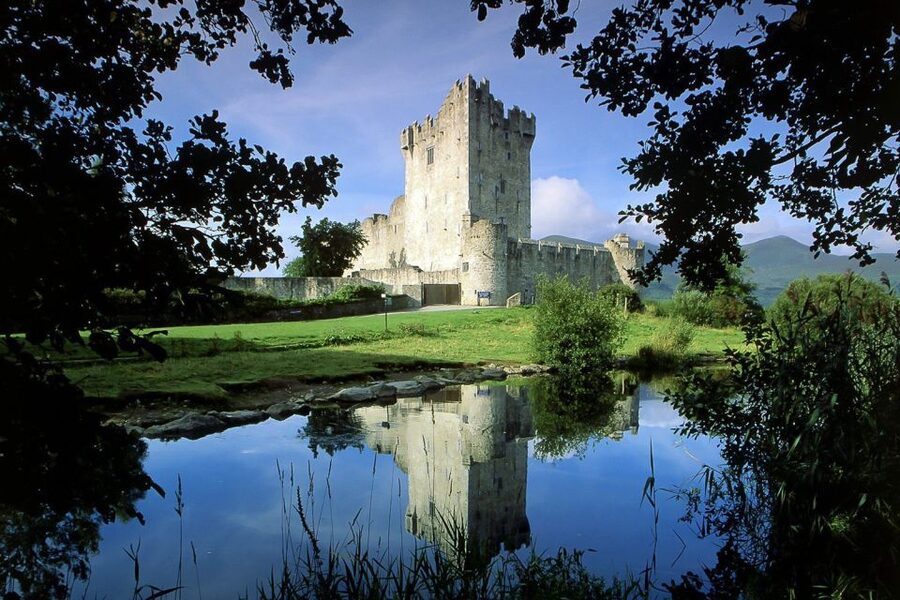
- Six days cover all four corners of Ireland: You visit Northern Ireland, the west coast, County Kerry, Cork, and Dublin in one fast-moving circuit.
- The Giant’s Causeway and Cliffs of Moher are the headline sights: Both offer strong coastal walks and memorable views, though weather can change quickly.
- The Dingle Peninsula gets a full touring day: This gives you more time with one of Ireland’s finest coastal drives instead of rushing through it.
- Guides can shape the trip: Gordon is praised for local contacts and evening advice, while Dani is singled out for strong guiding.
- Backpacker lodging keeps the cost manageable: Accommodation varies by option, and the Belfast hostel may not meet everyone’s standards.
- Long drives are part of the deal: You see far more than you could by public transport in six days, but some stops may feel brief.
Why this six-day route works
At $1,058 per person, this tour is not a bargain in the absolute sense. It is a useful package if you want transport, accommodation, breakfasts, entrance fees, and an English-speaking guide arranged in one booking. Ireland’s rural sights are spread widely, and reaching places such as Dingle, the Burren, Giant’s Causeway, and Blarney Castle without a car can be awkward.
The value depends on your travel style. If you enjoy making your own hostel bookings and using buses, you may spend less on a self-guided trip. You would also need to solve the transport puzzle yourself. If you are traveling solo, do not want to drive on the left, and want company in the evenings, the organized route earns its price more easily.
The trip has a strong social side. A small coach and a group of about 15 people are used for much of the journey, and one coach had Wi-Fi. The first morning can be different, with a larger coach for the Dublin to Belfast leg. That change matters if you are expecting the same vehicle and group size throughout.
A few more Dublin half-days to weigh up
- 6-Day All Ireland Tour from Dublin Including Accommodation
★ 4.5 · 254 reviews - 6-day All Ireland & Northern Ireland Rail Tour from Dublin
★ 4.0 · 37 reviews - 6-Day South of Ireland Tour from Dublin
★ 4.0 · 29 reviews
Day 1: Dublin to Belfast and the Titanic story
Meet at Paddy’s Palace on Lower Gardiner Street in Dublin at 8:45 AM. The first destination is Belfast, Northern Ireland’s largest city, where Titanic Belfast is the main scheduled attraction.
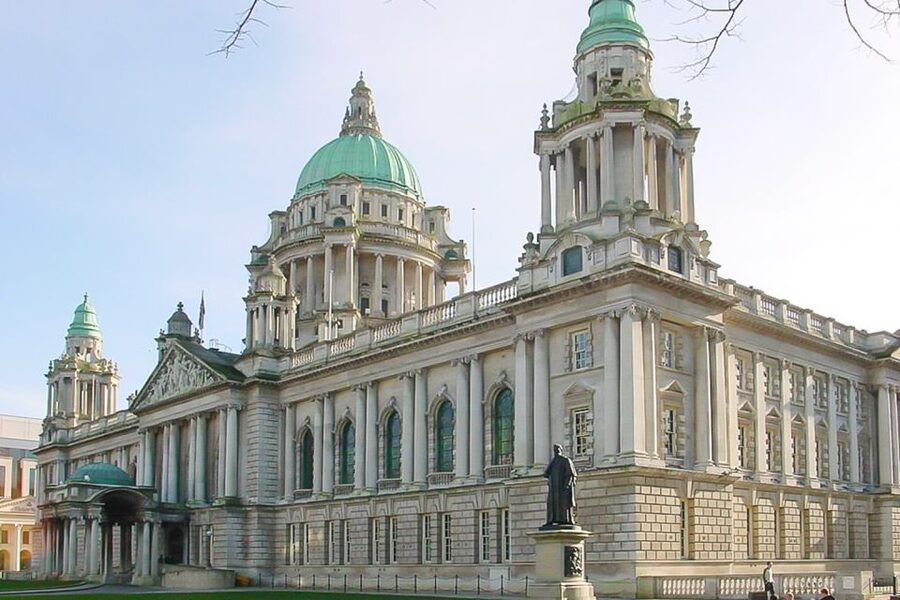
Titanic Belfast explains the city’s shipbuilding past and the construction of the famous ocean liner. The building itself is part of the experience, and the visit gives you a useful introduction to Belfast before you spend the night there. You also get time in the historic downtown quarter, which helps you see more than a single museum.
This is a practical first day rather than a scenic one. You are moving from the Republic of Ireland into Northern Ireland, so the trip begins with a city visit before the more rural stops arrive. The large coach used on this leg may feel less personal than the smaller vehicle used later.
Your Belfast evening is largely your own. That can be a plus if you want to try a pub, join an optional activity, or rest after the early start. A black taxi tour is mentioned as an especially good optional experience, but additional attractions are not included in the tour price.
Accommodation is one of the weaker points here. The Belfast hostel used on one departure was described as dirty. I would keep your expectations modest for this night and focus on the fact that you are paying for a low-cost base in a major city, not a boutique hotel.
Day 2: Dunluce Castle and the Giant’s Causeway
The second day heads along the Antrim Coast, one of the most rewarding sections of the route. You stop at Dunluce Castle, a dramatic ruin perched beside the sea, then continue to the Giant’s Causeway.
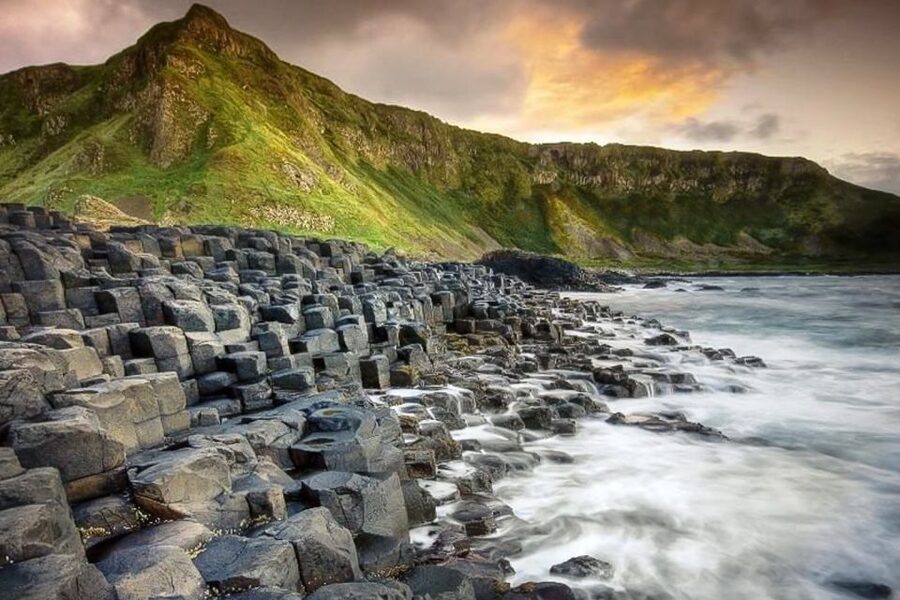
The Giant’s Causeway is famous for its roughly 60,000 hexagonal basalt stones. These dark, geometric columns reach toward the water in a formation shaped by ancient volcanic activity. You can walk among them and view the coast from several angles, so bring shoes that are comfortable on uneven ground.
The itinerary also includes photo opportunities at the Dark Hedges and Carrick-a-Rede Rope Bridge. The Dark Hedges is a tunnel of old beech trees, while Carrick-a-Rede is known for its narrow bridge above the sea. The wording matters here: these are photo stops, not necessarily long visits or guaranteed bridge crossings. If you have your heart set on crossing, ask the guide how much time is available and whether entry is included.
Dunluce, the Causeway, and the coastal road make this one of the strongest sightseeing days. The tradeoff is time. You may be taking photographs through the coach window at some points, particularly if traffic, weather, or the day’s timing shifts. Keep your camera ready, but do not expect a slow, private exploration of every stop.
The day ends in Derry, where a historic walking tour puts the city’s walls, streets, and past into context. This guided walk is important because Derry is better understood on foot than from a passing coach. You get a sense of the city’s character before another night in Northern Ireland.
Day 3: Derry, Strandhill, and Galway
You leave Northern Ireland and follow the Wild Atlantic Way toward Galway. The long drive is part of the attraction, since the route links smaller coastal areas that are not easy to combine without private transport.
Strandhill is a surfing hotspot and your lunch stop. You can walk on the beach and get a short break from the coach. Lunch is not included, so budget for meals each day. Timing can be uneven on a busy road trip, and one report noted lunch arriving as late as 2 PM or later. Carrying a snack is sensible, especially if you prefer to eat earlier.
Galway receives a free walking tour after arrival. This is a good place for a guide to point out the city’s main streets and help you get your bearings quickly. You should still expect limited independent time, since the group has arrived after a full day on the road.
Galway is one of the places where the evening atmosphere matters as much as the formal sightseeing. The trip includes chances to visit traditional Irish pubs and dance at night, but drinks, dinner, and extra entertainment are your responsibility. A guide who knows where to go can make a real difference. Gordon, in particular, is praised for introducing people to locals and sharing evening recommendations.
You spend the night in Galway. This is a useful midway stop, though the schedule does not give you a full free day there. If Galway is your main reason for visiting Ireland, you will want a separate stay before or after the tour.
A different sort of day from the same base:
- Dublin to Cliffs of Moher, including Wild Atlantic Way and Galway
★ 5.0 · 23,331 reviews - From Dublin: Cliffs of Moher, Burren & Galway City Day Tour
★ 4.8 · 18,888 reviews - Dublin: Guinness Storehouse Entry Ticket
★ 4.6 · 16,863 reviews - Dublin to Cliffs of Moher, Burren, Wild Atlantic Way, Galway Tour
★ 5.0 · 12,924 reviews
Day 4: The Burren, Cliffs of Moher, and Annascaul
The road south brings two of western Ireland’s best sights: the Burren and the Cliffs of Moher. The Burren’s pale limestone ground looks unlike the green fields many people picture when they think of Ireland. Its exposed rock, cracks, and low plants create a stark setting on the way to the coast.
The Cliffs of Moher are the day’s major stop. You can walk along clifftop paths and look out over the Atlantic from high above the water. Wind and rain are common possibilities, so comfortable shoes and a waterproof layer are more useful than stylish clothing. Stay well back from exposed edges and follow marked paths.
This stop rewards time on foot. If your day is running late, you may feel pressure to take photographs and move on, but the cliffs are not a sight you fully absorb from inside a coach. Ask how much walking time is planned when the day begins, especially if the weather is good.
After the cliffs and Burren, you continue to Annascaul on the Dingle Peninsula. The village setting is a change from Belfast, Derry, and Galway. The backpacker option may include a private room here, which is a notable benefit for solo visitors who want the lower-cost package without sharing every night.
This is also one of the days when the route can feel rushed. The coach must cover a lot of ground, and the cliffs, Burren, and Annascaul are not close together. You gain reach, but not unlimited time at each stop.
Day 5: A full day around the Dingle Peninsula
The Dingle Peninsula receives the most generous sightseeing allocation, with a full touring day. That is a smart choice. The peninsula is one of Ireland’s finest road trips, with winding roads, coastal views, small settlements, and a strong sense of place.
The appeal is not only one famous stop. The pleasure comes from the changing views as the road follows the edge of the Atlantic and passes fields, beaches, and rugged headlands. Your guide can add meaning to the route, but the weather will shape what you see. Rain and cloud can hide distant views, while clear conditions make this a high point of the tour.
The overnight stop is in Killarney, a lively base for County Kerry. You may have time for an evening pub visit or optional entertainment. The Celtic Steps show in Killarney is one activity singled out as especially worthwhile, though additional attractions are not included.
This is a good night to enjoy the group atmosphere. A six-day coach tour can feel tiring, but shared meals, music, and pub time often help people connect. The social element is strongest if you are traveling alone and are comfortable joining the group rather than retreating to your room.
Day 6: Killarney National Park, Blarney Castle, and Dublin
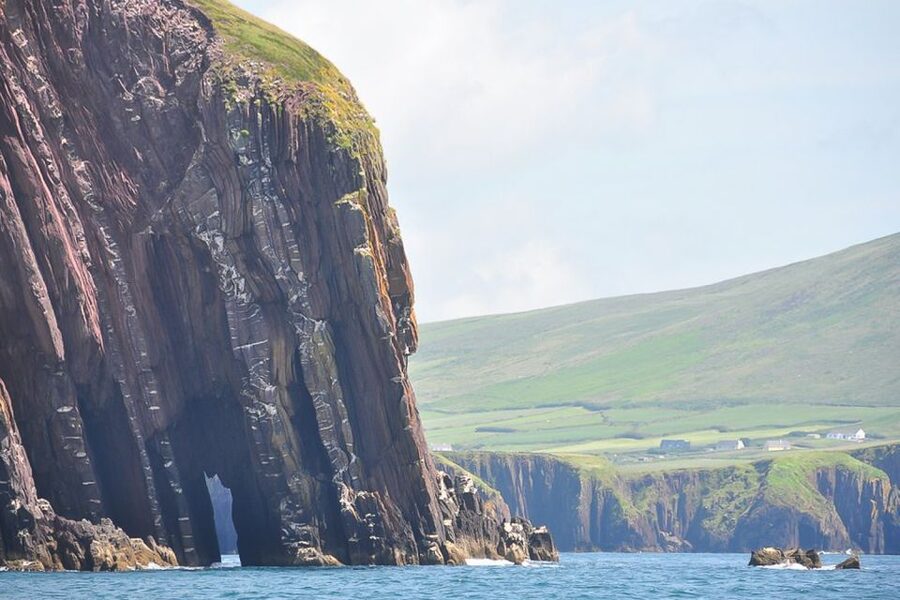
The final day combines Killarney National Park with Blarney Castle before returning to Dublin in the early evening. It is another full schedule, but the stops are quite different from one another.
A horse-led car ride through Killarney National Park connects the visit with a 19th-century tradition. This is a slower, more characterful way to see part of the park than simply stopping for a photograph. It also gives you a break from the coach before the long return journey.
At Blarney Castle, you have the chance to kiss the Blarney Stone. The tradition is famous, and the castle grounds give you more than the stone itself, with a historic setting and walking areas. The activity may not suit everyone, especially if you dislike queues, heights, or the physical position required, but it is a classic Ireland stop and included entrance fees make the visit easier to justify.
The return to Dublin is scheduled for early evening. Do not book a tight onward connection that same night. Traffic, weather, or a delayed stop could affect the arrival time, and the itinerary already covers considerable distance.
Guides, coaches, and the pace of the road
The guide can make or break a trip like this. You are not simply being driven between attractions. You need clear timing, useful explanations, good judgment about stops, and practical help in the evenings.
Gordon receives especially strong praise for knowing local people, offering recommendations, and joining the group at the pub. Dani, also referred to as Danny, is singled out for excellent guiding. Those details suggest that the best departures can feel personal rather than mechanical, but guide quality can vary by date.
The coach setup is mixed. A smaller group of around 15 and a smaller coach with Wi-Fi are real advantages on the longer rural sections. A smaller vehicle makes it easier to hear the guide and get on and off quickly. The first-day larger coach is the main exception.
The route is ambitious. In six days, you cover Ireland’s northern coast, western shore, southwest peninsula, Cork, and Dublin. That means early starts, long drives, and occasional short stops. One poor experience involved missed itinerary points, altered order, photographs from the coach window, and little explanation at some sites. I would treat the published route as a plan rather than a minute-by-minute guarantee.
Accommodation, meals, and what the price covers
Accommodation depends on the option you select. The backpacker choice is designed to keep costs down, and the quality may vary from town to town. The Belfast hostel is the clearest warning point, while the lodging in other places was described as much better, including a private room in Annascaul for one backpacker booking.
Breakfast is included on four of the five mornings according to one detailed account. Lunch and dinner are not included, so you need a daily food budget. The late lunch timing reported on one departure makes snacks especially useful. You also pay separately for optional activities and extra attractions.
Included entrance fees add value at major stops such as the Cliffs of Moher and Blarney Castle, though the exact entry arrangement for every optional activity should be checked before booking. You are paying for the network of transport and admissions as much as for the bed.
The overall rating is 4.7 from 37 reviews, which points to strong satisfaction but not a flawless product. The high marks focus on guides, scenery, group bonding, and the ability to see so much without driving. The low mark focuses on missed stops, rushed timing, and weak guiding. Both sides fit the nature of this tour.
Who should choose this Ireland tour?
I would choose this trip if you are a solo student, first-time visitor, or backpacker who wants a ready-made route and an easy way to meet people. It suits you if you would rather spend six days seeing major sights than reserve several separate buses, hostels, and admissions.
It also works for active travelers who are happy walking at coastal sites and accepting changing weather. Comfortable shoes are essential. You should be comfortable with basic hostel-style lodging, meals on your own, and a schedule that keeps moving.
I would hesitate if you want long, quiet visits at each attraction, higher-end hotels, or a fixed itinerary with no changes. I would also avoid booking it as your only Ireland experience if Galway, Belfast, or Dingle deserves several days of your time. This is a highlights tour, not a slow regional visit.
Cancellation is free up to 24 hours before departure, and you can reserve now and pay later. The tour is not suitable for wheelchair users, and pets and smoking are not allowed.
Should you book the Best of Ireland six-day tour?
Book it if your priority is reach. You will see the Giant’s Causeway, Cliffs of Moher, Dingle Peninsula, Killarney National Park, and Blarney Castle in one organized trip, with transport and basic lodging handled for you. For a solo backpacker, the social side and guide support may justify the $1,058 cost.
Think twice if accommodation standards and unhurried sightseeing matter most. Ask about the current coach arrangement, lodging in Belfast, what entrance fees are covered, and how much time is planned at each major stop. If you accept the fast pace and keep your expectations realistic, this can be a powerful first look at Ireland.
FAQ
Where does the tour begin?
The tour begins at 8:45 AM at Paddy’s Palace on Lower Gardiner Street, Dublin D1.
Where does the tour end?
The tour ends in Dublin by the early evening on Day 6.
Is a guide included?
Yes. The tour includes a live English-speaking guide.
Are accommodation and breakfasts included?
Accommodation is included according to the option selected. Breakfasts are included, with one detailed account indicating breakfast on four of the five mornings. Lunch and dinner are not included.
Which major sights are included?
The route includes Titanic Belfast, Dunluce Castle, the Giant’s Causeway, the Dark Hedges, Carrick-a-Rede Rope Bridge photo opportunities, a Derry walking tour, Strandhill, Galway, the Burren, the Cliffs of Moher, the Dingle Peninsula, Killarney National Park, and Blarney Castle.
Can I cancel the booking?
Yes. You can cancel up to 24 hours in advance for a full refund. You can also reserve your place and pay later.
Recently added around Dublin
- Dublin: Pub Tour. Pour The Perfect Guinness, Whiskey & Music★ 5.0 · 3 reviews
- Waterford Crystal and Kilkenny Full-Day Rail Tour from Dublin★ 5.0 · 3 reviews
- Cliffs of Moher and The Burren Private Tour from Dublin★ 5.0 · 3 reviews
- Private Chauffeur Service From Dublin Airport to Killarney★ 5.0 · 3 reviews
- Beautiful Southwest Tour 2022★ 5.0 · 3 reviews
- A Self Guided Walking Tour of Dublin’s Docklands★ 4.5 · 3 reviews
- Dublin One Day Tour with a Local: 100% Personalized & Private★ 4.5 · 3 reviews
- Ireland: 3-Day West Coast Explorer Tour★ 5.0 · 3 reviews
Dublin Tours, compared.

Dublin to Cliffs of Moher, including Wild Atlantic Way and Galway
Read our review →
Cliffs of Moher, Burren & Galway City Day Tour
Read our review →

Dublin to Belfast Black Cab, Dunluce Castle and Giant’s Causeway
Read our review →
Kilkenny, Wicklow Mountains & Glendalough Day Tour from Dublin
Read our review →
Wicklow Mountains, Glendalough & Kilkenny Tour
Read our review →

Dublin Highlights and Hidden Gems Guided Walking Tour
Read our review →Browse the lists this tour appears in