
Reviewed · DUBLIN TOURS
Complete tour of Dublin in Italian
Dublin’s best stories often sit just a few minutes apart, and this three-hour Italian walking tour ties them together with useful context. You move from Molly Malone and Viking Dublin to Trinity College and Temple Bar, with guides such as Elisa and Giulio adding local stories, legends, and practical advice along the way. I like the native-language format and the attention given to small details, including time for photos, a bathroom break, and help with day-to-day questions.
I also like that the walk does not stick only to Dublin’s headline sights. It links famous stops with lesser-known tales, from Norman rule to the strange border between fact and legend at Trinity College. The main drawback is that the tour visits the major landmarks from outside, so you will not enter Christ Church Cathedral, Dublin Castle, St. Patrick’s Cathedral, or Trinity College as part of the price.
Key points to know before booking
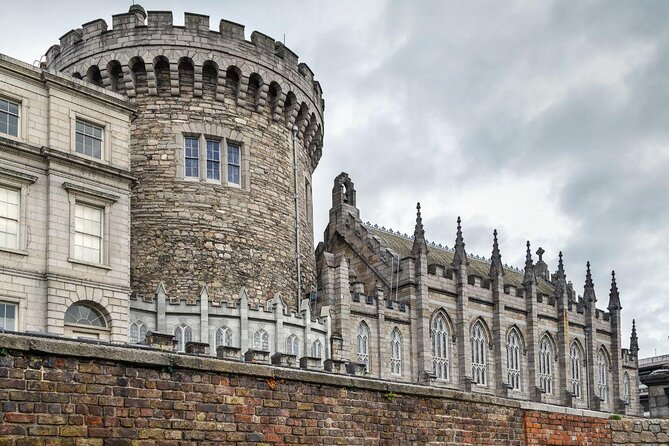
- Italian storytelling: Guides including Elisa and Giulio explain Dublin’s history, legends, and social background in Italian.
- Eight central stops: The route covers Molly Malone, Temple Bar, Christ Church Cathedral, Dublin Castle, Dublinia, St. Patrick’s Cathedral, Ha’penny Bridge, and Trinity College.
- Outdoor sightseeing: Admission tickets are not included because the listed visits are outside.
- Practical local help: You receive suggestions for food, drinks, music, and places that will not overcharge you.
- Small enough to feel personal: The maximum group size is 30 people, with guide support for logistics and questions.
- Simple central meeting point: The walk begins at the Molly Malone Statue and finishes in Temple Bar.
Why an Italian-language walk works well in Dublin
Dublin is easy to walk around, but its past is not always easy to follow. Viking settlement, Norman control, British rule, Irish independence, church history, folklore, and modern pub culture all overlap in the same compact center. A guide speaking Italian can explain those connections without making you work through a second language.
That matters most at places where the facts are mixed with local storytelling. Trinity College, for example, is presented as Ireland’s oldest university, followed by a reminder that some Dublin claims sit somewhere between truth and legend. This kind of approach keeps the tour from becoming a dry list of dates.
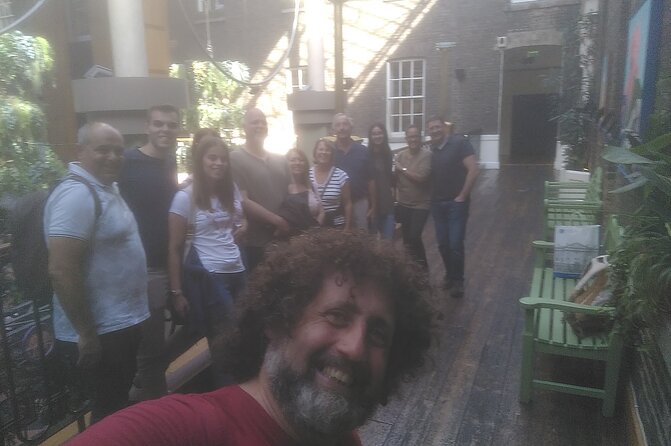
You can expect an easygoing format rather than a formal lecture. The guide is there to answer questions, help with practical needs, and give you ideas for the rest of your stay. The experience includes time for photos and videos, plus a planned break for the bathroom if needed.
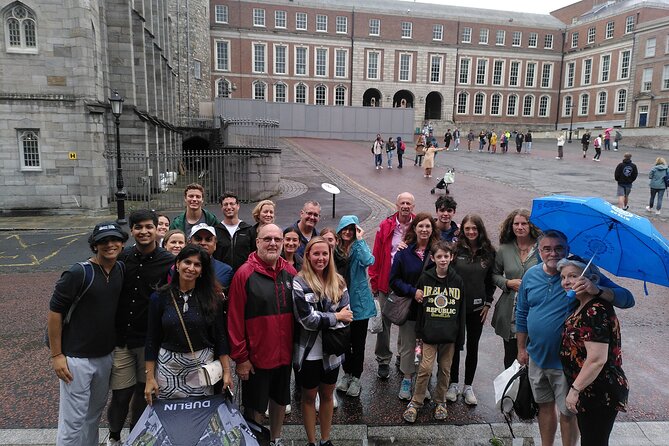
The group can reach 30 people, so this is not a private walk. Still, the guide is expected to give attention to the full group and support participants with logistics. If you want a personal conversation at every stop, a smaller tour may suit you better. If you want a reasonably priced introduction in Italian, the group limit is still manageable for a city walk.
A few more Dublin half-days to weigh up
- Dublin to Cliffs of Moher, including Wild Atlantic Way and Galway
★ 5.0 · 23,331 reviews - From Dublin: Cliffs of Moher, Burren & Galway City Day Tour
★ 4.8 · 18,888 reviews - Dublin: Guinness Storehouse Entry Ticket
★ 4.6 · 16,863 reviews
Starting with Molly Malone and Dublin’s everyday legends
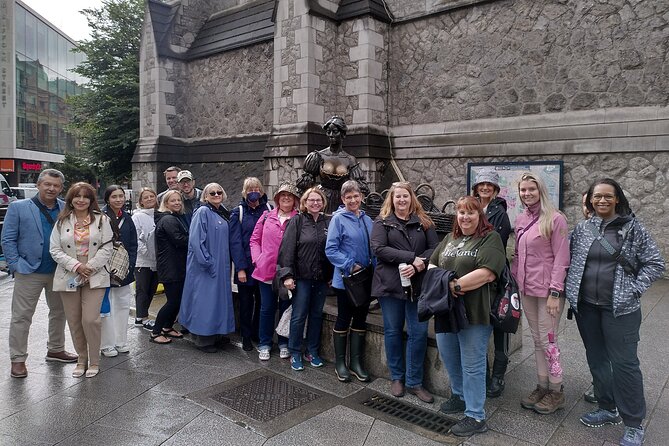
The meeting point is the Molly Malone Statue on Suffolk Street, in Dublin 2. This is a practical place to begin because the statue is central and close to several of the other sights on the route.
Molly Malone is more than a quick photo stop. The guide explains the story and legend behind Ireland’s most famous girl, including the way songs and local memory have shaped her image. You will get a useful early lesson in how Dublin handles its past: fact matters, but a good story often survives because people enjoy repeating it.
The stop is listed for about 10 minutes. That gives you time to hear the explanation and take photographs without turning the opening of the tour into a long pause. Since the tour ends in Temple Bar, Molly Malone also serves as a clear landmark for finding your group at the beginning.
From here, the walk connects central Dublin’s sights rather than sending you across town. Wear comfortable shoes, since the experience lasts about three hours and takes place on foot.
Temple Bar beyond the pub crawl
Temple Bar is best known as Dublin’s nightlife district, but the tour treats it as more than a place to buy an expensive drink. The guide introduces the neighborhood and points out what makes it important in the city’s social life.
The area is usually associated with music, pubs, and evening crowds. That can make it easy to dismiss as a tourist zone, yet it also helps explain how Dublin presents itself to visitors. A good guide can show you the difference between enjoying the atmosphere and paying too much for it.
The tour finishes here, which is useful planning. You can continue with dinner, music, or a drink after the walk, and the guide offers advice on where to go without getting fleeced. That tip may be worth as much as the sightseeing, especially if this is your first evening in Dublin and you have not yet learned which places are aimed mainly at visitors.
Because Temple Bar is also the final stop, you may want to ask the guide for recommendations before the group breaks up. The tour information specifically includes suggestions for music, food, and drinks, so use that opportunity.
Christ Church Cathedral and its stranger stories
Christ Church Cathedral receives about 20 minutes, with the visit taking place from outside. The guide explains the cathedral’s history, legends, and unusual anecdotes rather than taking you inside.
The supplied information describes Christ Church as Dublin’s oldest Protestant cathedral. The building’s religious and political story is part of a larger Dublin theme: the city has repeatedly changed hands, faiths, and identities. An outdoor explanation lets you understand the setting without adding an admission fee or a long interior visit.
The limitation is clear. If you want to see the inside, study the architecture, or spend time in the crypt, you will need to make a separate visit. This tour gives you orientation and context, not a full cathedral tour.
That can be a sensible choice during a first walk. You learn why the building matters, take a few photographs, and keep moving toward the next part of the old city.
A different sort of day from the same base:
- Dublin to Cliffs of Moher, Burren, Wild Atlantic Way, Galway Tour
★ 5.0 · 12,924 reviews - Dublin to Belfast Black Cab, Dunluce Castle and Giant’s Causeway
★ 5.0 · 7,954 reviews - Kilkenny, Wicklow Mountains & Glendalough Day Tour from Dublin
★ 5.0 · 7,897 reviews - From Dublin: Wicklow Mountains, Glendalough & Kilkenny Tour
★ 4.8 · 6,235 reviews
Dublin Castle and the Victoria Gardens
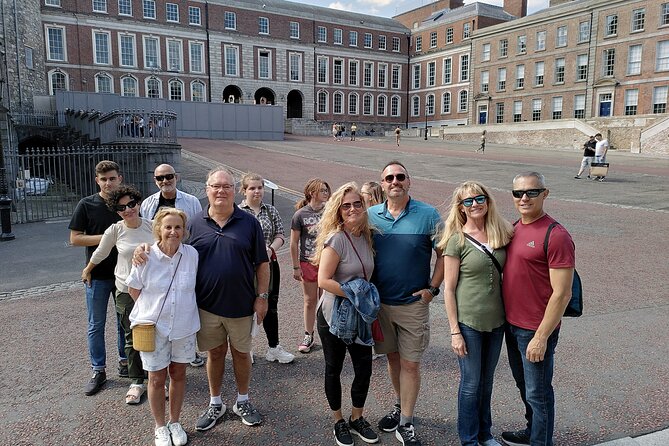
The outside of Dublin Castle and the Victoria Gardens receive about 20 minutes. Here the guide covers the Normans and Vikings, two groups that shaped Dublin long before the city became the capital you see today.
A short stop at the castle works best when you want the broad outline. The guide can place the castle in the story of power, administration, and foreign rule, while the nearby gardens offer a change of pace and a good setting for photographs.
Again, this is an exterior visit. You should not book the walk expecting rooms, exhibitions, or a full castle tour. The value lies in seeing the site in context and understanding why this part of central Dublin mattered to the people who controlled the city.
The Viking connection also prepares you for Dublinia later in the walk. Rather than treating each stop as a separate attraction, the route links the city’s early settlement, medieval development, and later political life.
Dublinia and the Viking roots of the city
Dublinia gets about 10 minutes, and the guide uses the stop to explain how closely Dublin is tied to the Vikings who founded it. This is one of the most useful historical links on the walk.
Modern Dublin can feel like a city of Georgian streets, pubs, churches, and offices. The Viking story reminds you that the city began as a settlement shaped by seafaring trade and conflict. Even a short explanation can change how you read the oldest part of town.
The stop is outside, so you will not enter the Dublinia museum. If you want reconstructed displays or a longer look at Viking and medieval Dublin, plan that separately. On this walking tour, the purpose is to give you a clear historical frame without breaking the pace.
I like the way this stop supports the rest of the route. The guide is not simply pointing at buildings. You are being shown how different periods of Dublin connect, which makes the later legends and monuments easier to understand.
St. Patrick’s Cathedral and the saint behind it
The walk spends around 10 minutes at St. Patrick’s Cathedral. The guide explains the cathedral’s history and legends, along with the story of St. Patrick himself.
This is a compact stop, so expect a spoken introduction and time to look at the exterior rather than an interior visit. The cathedral is one of Dublin’s best-known religious landmarks, and the legends surrounding Patrick help explain why the site has such a strong place in Irish identity.
As with Christ Church, the outside-only format keeps the tour affordable and moving. It also means you should add a separate cathedral visit if seeing the interior is important to you. The tour is better viewed as a city overview, not a substitute for every attraction it passes.
Ten minutes may feel brief, but it helps prevent the walk from becoming overloaded with church architecture. You receive the key story, take photographs, and continue through the historic center.
Ha’penny Bridge in five useful minutes
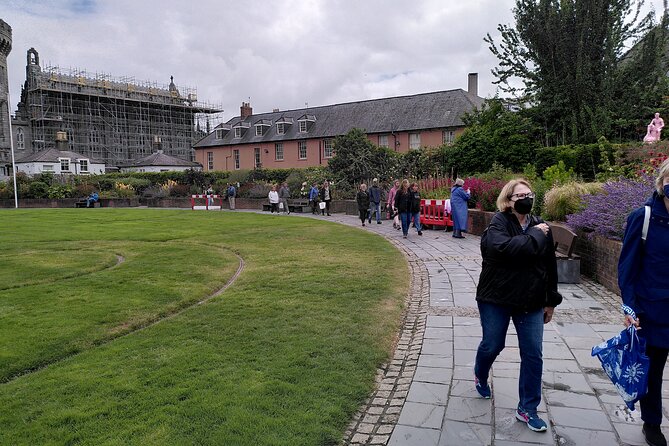
Ha’penny Bridge is the shortest stop, at about five minutes. The guide explains what makes Dublin’s most famous bridge distinctive.
This is a quick orientation point, but it is also a pleasant visual break. The bridge links the two sides of the River Liffey and is one of the city’s most recognizable views. Five minutes is enough for the basic story and a photograph, though not enough for lingering by the river.
The short timing tells you something about the tour’s priorities. It aims to cover a lot of central Dublin in three hours, giving more time to the sites with heavier historical material and less time to simple photo landmarks.
Trinity College and the line between fact and folklore
Trinity College Dublin receives about 10 minutes. The guide introduces Ireland’s oldest university, then adds an important qualification: some parts of the story may sit on the border between fact and legend.
That playful approach is one of the tour’s stronger features. Dublin’s identity is full of songs, famous characters, old claims, and stories repeated so often that they can sound like settled fact. A guide who points out the uncertainty gives you a more honest and entertaining picture of the city.
You will see the university from outside as part of the walk. The experience does not include entry to the campus or the Book of Kells. If those are priorities, set aside a separate block of time and check the current admission arrangements yourself.
The short Trinity stop is still useful because it gives you a first look and tells you why the university matters. You can decide later if you want to return for a longer visit, rather than committing the entire walking tour to one institution.
What the $29.03 price really buys you
At $29.03 per person, this is priced as an affordable orientation walk rather than a full attraction package. You are paying for roughly three hours with an Italian-speaking professional guide, explanations at eight central locations, time for photos, a bathroom break, and practical suggestions for the rest of your stay.
None of the listed stops includes an admission ticket. That keeps the cost down, but it is important to understand the tradeoff. You see the landmarks from outside and hear their stories, then decide for yourself which interiors deserve extra time and money.
For a first day in Dublin, the price can offer good value. You get the city’s main historical threads, an Italian-language explanation, and a route that ends in the nightlife district. You also avoid spending three hours wandering between sights without knowing which details matter.
The value is weaker if you already know central Dublin well, speak English comfortably, and mainly want to enter several attractions. In that case, a ticketed cathedral or museum visit may give you more depth. This tour is strongest as a first look and a practical introduction.
Who will get the most from this walk
I would choose this tour if you want to understand Dublin quickly and prefer to receive explanations in Italian. It is also a good fit if you like history mixed with legends rather than a strict academic presentation.
It suits:
- First-time visitors who want to get their bearings in central Dublin
- Italian-speaking couples, families, and friends
- People who prefer a guide to connect Viking, Norman, religious, and modern city stories
- Anyone who wants restaurant, music, and pub suggestions before spending an evening in Temple Bar
- Visitors who are happy to see major landmarks from outside and choose separate interior visits later
You may want another option if you need a private guide, dislike group walks, or want extended time inside the cathedrals, castle, Dublinia, or Trinity College. The maximum group size is 30, and the tour does not include coffee or tea.
The walk is near public transportation, and most people can participate. Confirmation arrives when you book. The experience is non-refundable and cannot be changed, so check your plans carefully before paying. If the minimum number of participants is not reached and the operator cancels, you are offered another date or experience, or a full refund.
What the guide’s style adds
The strongest personal touch comes from the guides. Elisa is described as prepared, available, and especially good at helping people discover the city on foot. Giulio is described as patient, funny, and well prepared, and he even offered a sweet treat in the Liberties during one walk.
Those details suggest a guide who treats the walk as more than a memorized route. The support with questions, practical needs, food, drink, and music can make the rest of your Dublin stay easier.
Still, guide assignments can vary. Elisa and Giulio are examples of guides associated with this experience, not a guarantee that either one will lead your particular departure. If having a specific guide matters to you, ask the provider before booking.
Should you book this Dublin tour in Italian?
Book it if you want a well-priced first orientation to Dublin, delivered in Italian and built around stories rather than admissions. The route covers the essential center, adds Viking and Norman context, and finishes in a useful place for an evening out.
Skip it if your main goal is to tour interiors or spend serious time at one landmark. You will need separate visits for the cathedrals, castle, Dublinia, and Trinity College.
For most Italian-speaking first-time visitors, I see this as a practical opening move. Take the walk early in your stay, use the guide’s food and music advice afterward, and return to the one or two interiors that catch your interest.
FAQ
How long does the Dublin tour last?
The tour lasts approximately three hours.
Is the tour conducted in Italian?
Yes. The experience is designed around an Italian-speaking professional guide who explains Dublin’s history, legends, and practical information in Italian.
Where does the tour begin?
The meeting point is the Molly Malone Statue on Suffolk Street, Dublin 2, D02 KX03, Ireland.
Where does the tour finish?
The tour ends in Temple Bar, Dublin’s best-known nightlife neighborhood.
Are admission tickets included?
No. The listed stops are visits from outside, and admission tickets are not included.
What is not included in the price?
Coffee and tea are not included. The tour does include time for photos and videos, a bathroom break, guide support, and suggestions for places to eat, drink, and listen to music.
Recently added around Dublin
- Dublin: Pub Tour. Pour The Perfect Guinness, Whiskey & Music★ 5.0 · 3 reviews
- Waterford Crystal and Kilkenny Full-Day Rail Tour from Dublin★ 5.0 · 3 reviews
- Cliffs of Moher and The Burren Private Tour from Dublin★ 5.0 · 3 reviews
- Private Chauffeur Service From Dublin Airport to Killarney★ 5.0 · 3 reviews
- A Self Guided Walking Tour of Dublin’s Docklands★ 4.5 · 3 reviews
- Beautiful Southwest Tour 2022★ 5.0 · 3 reviews
- Dublin One Day Tour with a Local: 100% Personalized & Private★ 4.5 · 3 reviews
- Ireland: 3-Day West Coast Explorer Tour★ 5.0 · 3 reviews
Dublin Tours, compared.

Dublin to Cliffs of Moher, including Wild Atlantic Way and Galway
Read our review →
Cliffs of Moher, Burren & Galway City Day Tour
Read our review →

Dublin to Belfast Black Cab, Dunluce Castle and Giant’s Causeway
Read our review →
Kilkenny, Wicklow Mountains & Glendalough Day Tour from Dublin
Read our review →
Wicklow Mountains, Glendalough & Kilkenny Tour
Read our review →
