
Reviewed · CORK TOURS
Cork: Guided Historical Walking Tour
Cork’s most surprising feature is often beneath your feet: the city’s curved main street follows a river channel covered by later building. This 75-minute walk connects that hidden waterway to Cork’s maritime trade, old bridges, church towers, and market streets. I like the clear city overview, and I like the local storytelling from guides such as Noel, Mary, Gerard, and Aiden. The main drawback is the brisk pace, especially if you want time inside every church or monument.
I also like that this is not just a parade of famous facades. You hear about Nano Nagle’s work, refugee communities, former boat house entrances, and the people who shaped Cork. The walk takes place rain or shine, so good weatherproof clothing matters.
Key points at a glance
- Follow a river under the city: Cork’s main street traces an old waterway hidden below the road.
- See the city’s key sights in 75 minutes: The route includes Shandon, Grand Parade, St Finbar’s Cathedral, Elizabeth Fort, South Mall, and the English Market.
- Hear Cork told by Cork people: Guides including Noel, Mary, Gerard, Jarrod, Catherine, and Aiden bring personal stories and local detail.
- Connect Cork to the sea: The walk explains the city’s role in European and transatlantic trade.
- Spot unusual remnants: Look for former boathouse entrances in South Mall and traces of old waterways beneath the centre.
- Use it early in your stay: The route gives you a useful map of the centre and helps you choose where to return later.
Cork’s hidden river gives the walk its shape
Cork is a city of channels, bridges, and reclaimed ground. That makes the opening stretch more than a standard orientation walk. As you follow the curved main street, your guide explains how a river once ran where the modern street now carries pedestrians and traffic.
I find this kind of story especially useful because it changes how you read the city. A bend in the road is no longer random. A bridge is not simply a bridge. The centre begins to make sense as a place built around water, trade, and movement.
The maritime connection runs through the whole tour. Cork developed as a European and transatlantic trading hub, and the guide links that past to the architecture around you. You will not get a long museum lecture, but you will gain enough background to notice Cork’s commercial character as you continue walking.
The experience starts at the Cork Tourist Information Centre. Arrive 10 minutes before the scheduled start. The activity returns to the same meeting point, which makes it easy to fit into a day of sightseeing.
More Historical Tours in Cork
- Historic Cork Delicious Donut Adventure by Underground Donut Tour
★ 5.0 · 232 reviews - The Queenstown Story @ Cobh Heritage Centre , Great Stories of Emigration.
★ 4.5 · 181 reviews - Visit 16 Sites Key Historical Sites And Experience Cobh Rebel Tours
★ 5.0 · 167 reviews
Cork Opera House and the view toward Shandon
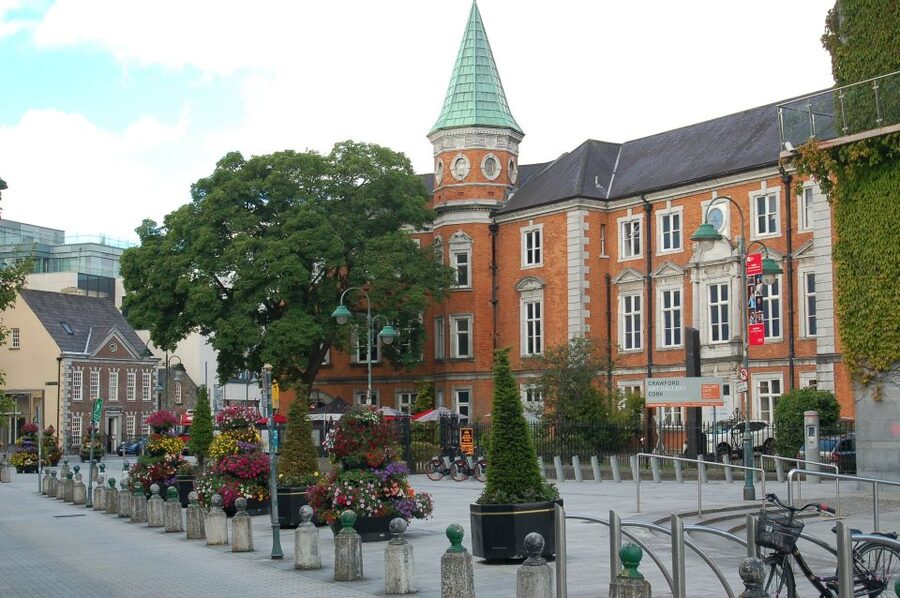
The route brings you to Cork Opera House, one of the city centre’s major landmarks. Here, the guide helps place the building within the wider pattern of streets, waterways, and public life.
Across the river, you can see the distinctive outline of Shandon church. Its red and white brick bell tower and clockfaces make it one of Cork’s most recognizable sights. The tour does not include entry to the tower, but you get useful context for a later visit.
One practical tip: if Shandon interests you, save time to return on your own. A separate visit to St Anne’s Church and Shandon Bells allows you to climb the tower and pull the ropes to ring the bells. The entry cost noted by one participant was €6 per person, and that visit is not part of this walking tour.
This is a good example of how the walk works best. It gives you the story and location first, then lets you decide which places deserve more of your time. If you want full interior visits at every stop, the pace will feel too quick. If you want a lively introduction, the balance is better.
Carey’s Lane and the Huguenot cemetery
From the central streets, the group continues down Carey’s Lane toward the Huguenot cemetery. This stop adds a human side to Cork’s story and shows how migration shaped the city.
The cemetery is not treated as a grand monument. Its value comes from the smaller story it carries: people arriving, settling, working, and adding to Cork’s social fabric. The walk also touches on the city’s history of refugees and people who challenged the old social order, including ex-slave heroes.
You should expect the guide to connect this kind of local detail to larger events without losing Cork’s sense of place. Several guides are praised for mixing historical facts with personal stories, and that approach suits this stop well. It keeps the cemetery from becoming a name on a list.
Coal Quay and Cornmarket Street
The next part leads toward Coal Quay and Cornmarket Street. These names point to Cork’s working and trading past, when goods moved through the city by water and road.
The Coal Quay helps explain why Cork’s waterways mattered. The city was not built beside water merely for scenery. Channels supported trade, transport, and daily work. Your guide fills in that practical side of the story, making the later discussion of Cork’s international links easier to follow.
Cornmarket Street adds another view of the centre. The route shifts from old trade connections to the way Cork functions as a city today. You will see how commercial streets, public spaces, and older structures sit close together.
One useful feature of the tour is that the stories are tied to the ground in front of you. You are not asked to remember a list of dates before seeing the place they explain. The result is easier to follow, especially if Cork is your first stop in Ireland.
More Walking Tours in Cork
- Titanic Trail Guided Walking Tour Cobh
★ 5.0 · 253 reviews - The Titanic Trail: 1-Hour Guided Walking Tour of Cobh
★ 4.8 · 78 reviews - Cork Instagram Photography Walking Tour
★ 5.0 · 54 reviews - Cobh: Guided Historic Walking Tour
★ 4.6 · 32 reviews
Grand Parade and the city’s public memorials
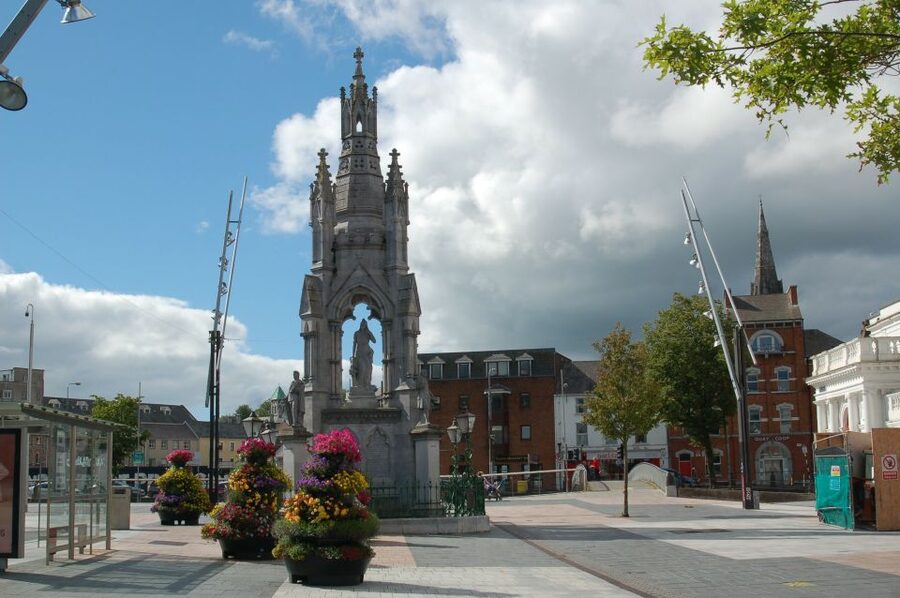
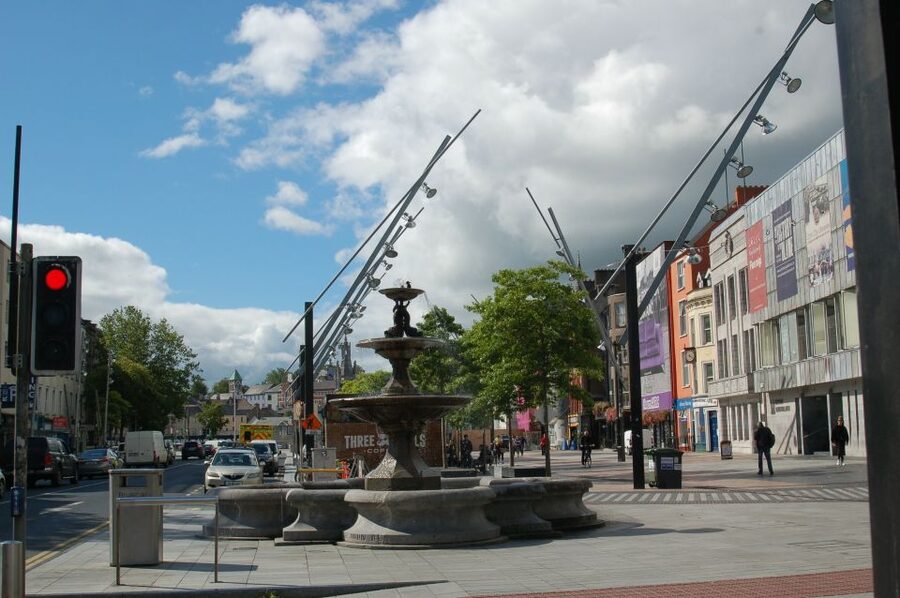
Grand Parade is described as Cork’s widest street, and it gives the group a little more room to pause and look around. Here you see Bishop Lucy Park, the Berwick fountain, and the National Monument.
These stops show Cork in public mode. Parks, fountains, and memorials reveal what a city chooses to remember and how it presents its identity. The guide’s job is to provide the links between those objects, rather than simply point them out.
I would pay attention to the architecture here, particularly if you are interested in how old Cork has been adapted for modern city life. The route stays in the centre, so you see a mixture of civic buildings, shops, streets, and historic details within a compact area.
This section is also a useful pause in the tour. You are still walking, but the broader street gives you a chance to absorb the layout. In poor weather, however, the open space may feel less comfortable. Since the walk runs rain or shine, bring a waterproof layer rather than relying on a pleasant forecast from the morning.
Nano Nagle Bridge and Cork’s social story
The walk continues across a footbridge named for Nano Nagle. Your guide explains her humanitarian work and her efforts to bring education to Cork’s poorest classes.
This is one of the tour’s strongest changes of pace. The story moves from rivers, trade, and buildings to education and social action. You get a clearer sense that Cork’s past is not only about merchants, churches, and monuments. It also includes people who worked to improve everyday life for those with the fewest opportunities.
I like this kind of stop because it gives a face to a broad subject. Education can sound abstract when presented as a historical theme. Standing on a bridge named for Nagle makes the subject local and tangible.
If you have children or teenagers with you, this part may help hold their attention. It is a story about a person, a city, and a practical problem, not just a date to memorize. The guide’s personal delivery matters here, and the tour’s strongest guides are described as warm, funny, and easy to follow.
St Finbar’s Cathedral and South Gate Bridge
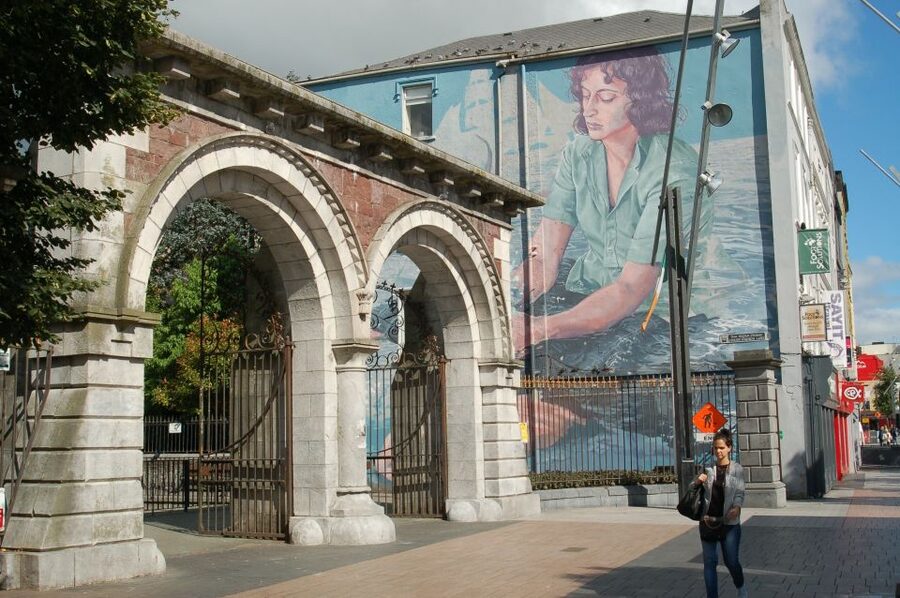
The route then takes in St Finbar’s Cathedral and South Gate Bridge. Together, these sights show two different sides of Cork: religious architecture and the city’s network of crossings.
St Finbar’s is one of the major architectural highlights on the route. The tour gives you a chance to look at its exterior and understand its place in Cork. Keep in mind that the walking tour is not a dedicated cathedral visit, so you should not expect a long interior stop.
South Gate Bridge returns the story to movement through the city. Bridges are a recurring theme in Cork, both because of the river and because of the way the city has grown across channels and islands. By this point, the covered waterways beneath the streets should feel like part of a connected pattern rather than an isolated curiosity.
A guide with local experience can make this stretch especially rewarding. Noel is frequently singled out for his storytelling and personal knowledge of Cork, while Gerard is praised for being friendly and engaging. Other guides, including Mary and Aiden, are described as clear, energetic, and passionate about the city.
Elizabeth Fort and Cork’s defensive past
Elizabeth Fort adds a military note to the route. Its position helps explain why Cork mattered beyond local trade. The city’s location made it useful for commerce, shipping, and defense.
The tour treats the fort as part of Cork’s wider story, not as a separate attraction requiring a full visit. You will learn why defensive structures mattered and how they fit into the city’s development.
If you are especially interested in forts, allow extra time to return after the tour if your schedule permits. The 75-minute walk has a lot of ground to cover, and its purpose is to connect several parts of Cork rather than explore one site in detail.
That distinction helps you judge the value. For $26 per person, you are paying for a compact explanation of the city, not a private guided visit inside each monument. I think the price is fair if you want orientation, local context, and a route that would be harder to assemble on your own.
South Mall’s former boathouse entrances
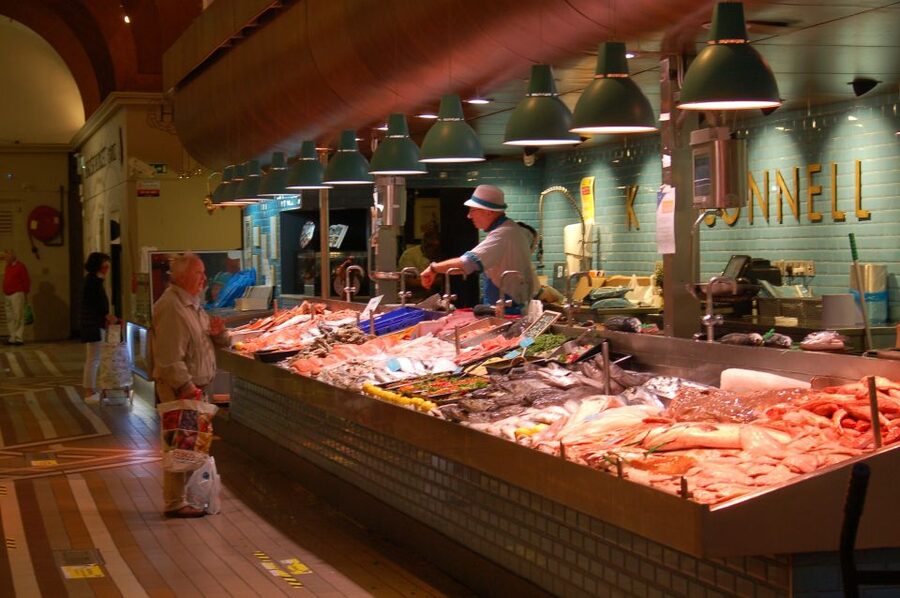
South Mall provides one of the tour’s most unusual details. In the city’s leading business quarter, you can see remnants of former boathouse entrances.
These openings are easy to miss if you walk through Cork without a guide. They offer a physical clue to the waterways that once shaped the street. Modern offices and businesses can hide the older purpose of the area, but the entrances let you glimpse the working city beneath the present one.
This is the sort of detail I value most on a city walk. It costs nothing to see, yet it changes your understanding of the street. Instead of viewing South Mall as only a business address, you begin to picture boats, channels, and goods moving through an earlier Cork.
The stop also ties together several themes from the tour: maritime trade, covered rivers, bridges, and the way a city changes while leaving small traces behind.
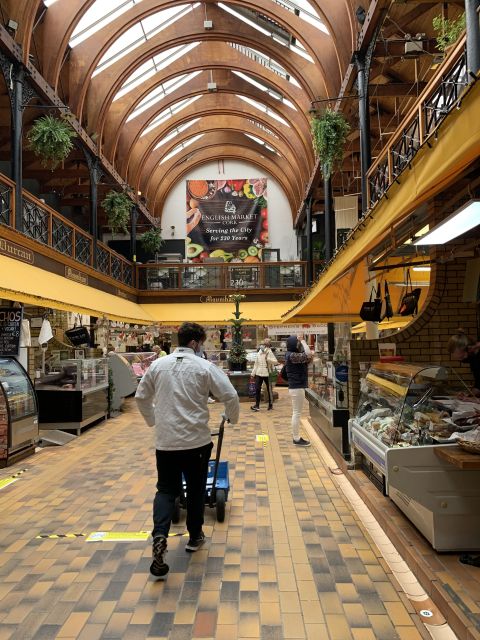
Finish at the English Market
The walk ends on Princes Street, at the main entrance to the English Market. This is a practical finish, since you can continue sightseeing or stop for food after the guide says goodbye.
Food and drinks are not included, so plan to pay separately if you enter the market to eat or shop. Ending here gives you a natural next step, especially if you want to turn the history lesson into a taste of present-day Cork.
The market also makes a sensible final landmark. After hearing about trade and city life, you arrive at a place associated with buying, selling, and local food. You can use the location to continue exploring the centre without needing another transfer.
One person found the English Market a useful place to carry on sightseeing. I agree with that advice: take note of the route as you walk, then use the final stop as a base for revisiting the places that caught your attention.
Guides, group size, and hearing the stories
The guide makes a real difference on this experience. Names associated with the tours include Noel, Mary, Gerard, Jarrod, Catherine, and Aiden. The strongest descriptions focus on humor, clear delivery, personal Cork stories, and a willingness to answer questions.
One group was about 20 people, with the guide using a headset microphone. That is helpful in a city centre where traffic and background noise can swallow a quiet voice. Group size may vary, so arrive early if you prefer a position close to the guide.
The tour is in English. The delivery is conversational rather than formal, with local characters and recent history mixed into older events. That approach makes the walk feel less like a recital and more like a city introduction from someone who knows its streets.
You should still expect a group experience, not a private conversation. If you want to stop for photographs at every corner, you may need to choose between keeping up and taking your time. The route is designed to cover a lot in 75 minutes.
Is the $26 price worthwhile?
At $26, this is a reasonably priced way to get your bearings in Cork. You see many of the city centre’s main sights, learn how the waterways shaped the streets, and finish at a useful food market.
The value is strongest for a first visit. A good guide can point out details you might otherwise pass without noticing, such as the old boathouse entrances and the hidden river route. The local stories also add something a map cannot provide.
The price is less compelling if you already know Cork well or plan to spend most of your time inside individual attractions. This tour does not include food, drinks, hotel pickup, or drop-off, and it is not a substitute for full visits to Shandon, St Finbar’s Cathedral, or Elizabeth Fort.
I would schedule it near the start of your stay. You can mark places to revisit, use the route to understand the centre, and avoid wasting time later on streets that seem disconnected.
Practical advice before you go
Arrive at the Cork Tourist Information Centre 10 minutes before the start. The tour returns there, so you do not need to arrange transport back from a distant neighborhood.
Wear clothing suited to the weather. The walk operates in rain or sunshine, and Cork weather can change quickly. Comfortable shoes are sensible for any city walk, though the supplied information specifically requires weather-appropriate clothing.
The activity is listed as wheelchair accessible. Since the route includes streets, bridges, parks, and several city landmarks, you should still confirm the current route details when booking if you have specific mobility needs.
Booking information says you can reserve now and pay later, which helps if you are still arranging your Cork schedule. It also says cancellation up to 24 hours before the activity can qualify for a full refund, while another note labels the tour non-refundable. Because those terms conflict, check the conditions shown for your selected date before paying.
Who should book this Cork walking tour?
I would choose this walk if you want Cork explained through its streets rather than presented as a checklist of attractions. It suits first-time visitors, short stays, cruise or day-stop schedules, and anyone who enjoys local stories about people, trade, and city change.
It is also a good fit if you want an English-speaking guide who can answer questions and point out small details. The personal style of guides such as Noel, Mary, Gerard, and Aiden appears to be a major part of the experience.
I would hesitate only if you dislike group walks, need long pauses at each monument, or want substantial interior time at the cathedral, fort, or Shandon tower. For everyone else, the route gives you a useful first picture of Cork, with enough odd corners and human stories to make the city worth exploring on foot.
FAQ
How long is the Cork historical walking tour?
The tour lasts 75 minutes.
Where does the tour start?
You should meet at the Cork Tourist Information Centre and arrive 10 minutes before the activity begins.
Where does the tour finish?
The walk returns to the Cork Tourist Information Centre, the same place where it starts.
What language is the tour in?
The live guided tour is conducted in English.
What sights are included on the route?
The route includes Cork Opera House, a view toward Shandon church, the Huguenot cemetery, Coal Quay, Cornmarket Street, Grand Parade, Bishop Lucy Park, the Berwick fountain, the National Monument, Nano Nagle Bridge, St Finbar’s Cathedral, South Gate Bridge, Elizabeth Fort, South Mall, and the English Market entrance.
Does the tour include entry to Shandon Bells or other attractions?
No. The activity includes a guided city walking tour only. Food, drinks, hotel pickup, drop-off, and attraction admission are not included.
Is the tour wheelchair accessible?
Yes, the activity is listed as wheelchair accessible.
What should I bring?
Bring weather-appropriate clothing because the walk takes place rain or shine.
Recently added around Cork
- Cork Private Walking Tour★ 5.0 · 3 reviews
- Cork Chat and History Walking Tour★ 5.0 · 3 reviews
- Cork Private Transfer from Cork Airport to City centre★ 5.0 · 3 reviews
- Fastnet Rock Lighthouse direct boat tour-Baltimore.Guided.★ 3.7 · 3 reviews
- Kinsale and West Cork Classic Private Tour in modern a/c minibus★ 5.0 · 4 reviews
- Clonakilty Distillery: Tour & Classic Whiskey Tasting★ 4.4 · 5 reviews
- Explore Cork City and Cork Harbour Greenway by Bike★ 5.0 · 5 reviews
- Cork: Midleton Distillery (Jameson) Premium Whiskey Tasting★ 5.0 · 5 reviews
Cork Tours, compared.

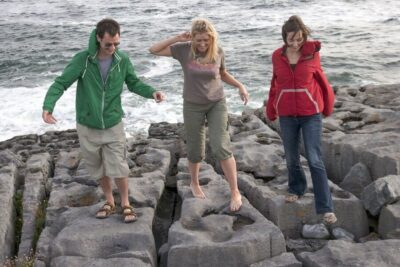
Cliffs of Moher and More: Full-Day Tour from Cork
Read our review →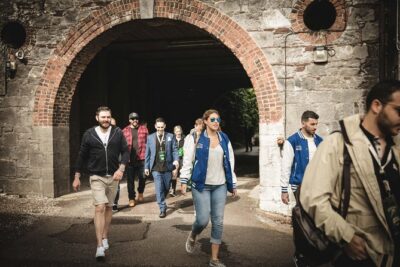
Cork Midleton DistilleryJameson Experience & Whiskey Tasting
Read our review →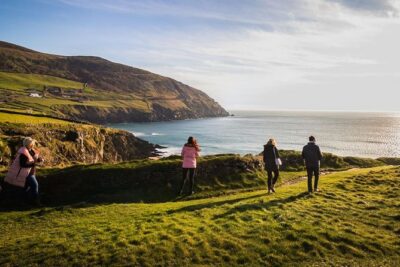
Ring of Kerry Day Tour from Cork: Including Killarney National Park
Read our review →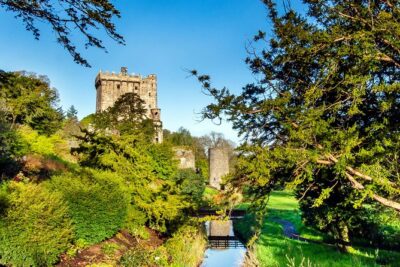
Cobh (Cork) to Blarney Castle & Kinsale – Shore Excursion
Read our review →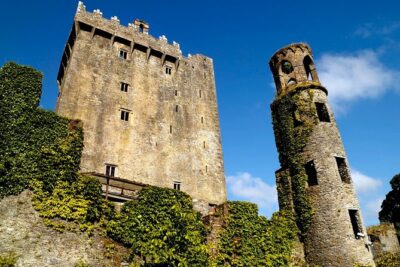
Shore Excursion From Cork: Including Blarney Castle and Kinsale
Read our review →
Jameson Irish Whiskey & Midleton Distillery Experience
Read our review →
County Cork Highlights Tour with Entrance Tickets
Read our review →Browse the lists this tour appears in