
Reviewed · CORK TOURS
The Queenstown Story @ Cobh Heritage Centre , Great Stories of Emigration.
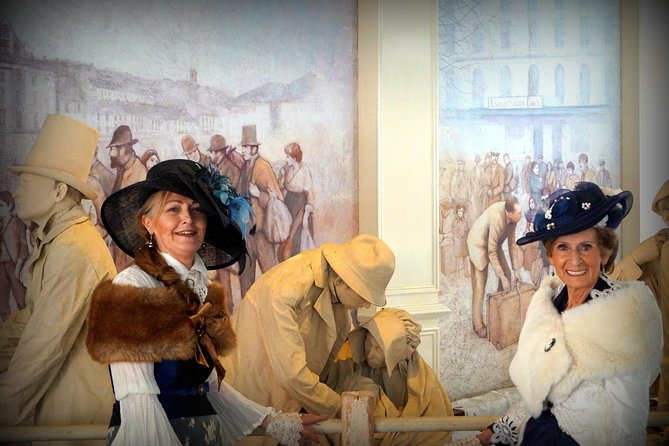
Cobh Heritage Centre tells Ireland’s emigration story by putting you in the shoes of one person leaving home. Inside a restored Victorian railway station, you follow Irish departures from the 1600s through the Great Famine and into the age of ocean liners, including Cobh’s links with the Titanic and Lusitania. The personal approach keeps the displays from becoming a dry list of dates.
I especially like the interactive presentation, with audio, film, and hands-on features such as Morse code. I also like the location: the centre sits beside Cobh’s deepwater quay, only a short walk from the train station and cruise berth. The main consideration is that this is largely self-guided, so you need to read, watch, and move through the exhibits at your own pace rather than follow a live guide.
Key points to know before you go
- Follow one emigrant’s journey: You receive an emigrant identity to trace through the exhibition, giving the displays a human focus.
- See more than Titanic history: The centre covers centuries of Irish emigration, the Great Famine, and Cobh’s wider maritime and military past.
- Plan for 90 minutes: The advertised visit lasts about an hour, but you can spend 90 to 100 minutes without feeling rushed.
- Use the convenient location: The centre is about a four-minute walk from Cobh railway station and sits close to the cruise berth.
- Allow time for the cafe: Scones, cream, jam, coffee, and tea make the cafe useful before or after the exhibition.
- Consider the genealogy service: A genealogy consultant and access to Ancestry.com may add real value if your family left Ireland through Cobh.
Why Cobh is the right place for this story
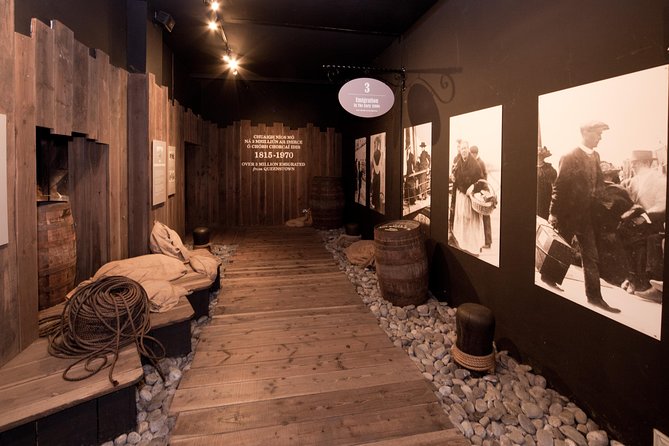
Cobh, once called Queenstown, was one of Ireland’s major departure points. The centre begins in the 1600s, when Irish people sailed toward the American colonies and the West Indies, then follows later movements across the Atlantic and to other destinations.
That long time span matters. Irish emigration was not caused by one event alone. Poverty, famine, family decisions, political pressure, work, and the hope of a better life all shaped the choice to leave. You get a clearer picture when the story is spread across several centuries rather than reduced to a single chapter about the Great Famine.
The building helps set the mood. You enter a beautifully restored Victorian railway station, a place connected to the movement of people before you even reach the first display. Trains brought people down to the port, and ships carried them away. The setting makes the practical act of departure feel immediate.
For anyone with Irish ancestry, this can be a personal visit. The centre connects broad events with the lives of more than three million Irish emigrants. You may recognize a family name, a destination, or a pattern that helps explain why an ancestor left.
More Historical Tours in Cork
- Visit 16 Sites Key Historical Sites And Experience Cobh Rebel Tours
★ 5.0 · 167 reviews - Cobh: Guided Historic Walking Tour
★ 4.6 · 32 reviews - Cobh: 3-Hour Cultural Tour Plus
★ 4.9 · 31 reviews
Following an emigrant through the exhibition
The most effective feature is the choice to follow an individual emigrant through the displays. Instead of wandering past unrelated panels, you have a thread to follow as the story moves through different periods and destinations.
That method gives you a useful sense of uncertainty. Leaving Ireland was not simply a matter of stepping onto a ship and beginning a new life. You see the pressures that led people to go, the practical stages of departure, and the distant places where Irish communities took root.
The exhibition is self-guided. You can read at your own pace, stop for an audio segment, watch a presentation, or move on if a particular panel is less important to you. This works well for families and mixed-age groups because you are not tied to one speaking pace.
It also means you should allow enough time. One hour is enough for a focused visit, but I would plan on 90 minutes if you want to read carefully and try the interactive features. A two-hour window gives you room for the cafe or a return to sections you passed quickly.
The Great Famine and the reasons people left
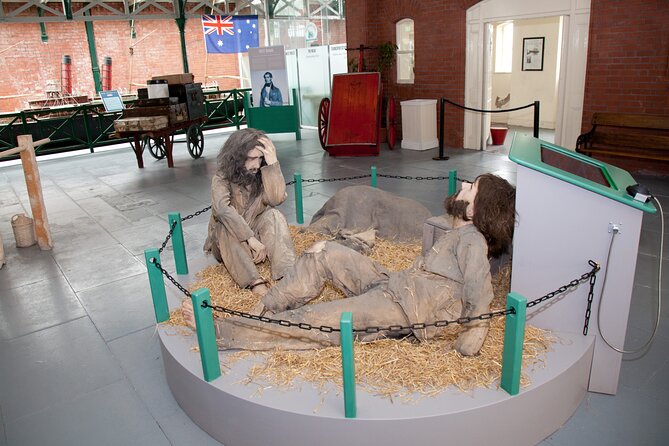
The Great Famine receives its own section, and rightly so. The famine changed Ireland’s population, families, economy, and relationship with emigration. The centre presents it as part of a wider story, not as an isolated disaster.
You learn how departure could become a family survival plan. Some people left in hope of earning money and sending help home. Others followed relatives who had already gone. For many families, the decision was forced by hunger and a lack of work rather than made freely.
The subject is sad, and the exhibition does not try to make it cheerful. That is part of its value. You come away with a better understanding of why so many Irish families have connections to places outside Ireland, and why a family tree often includes several different destinations.
If you have children with you, the personal format may help them stay engaged. Still, the subject matter is serious, and younger children may not have the background to understand every section. The centre is most useful when you are willing to pause and talk about what leaving home meant.
Cobh, Titanic, and the Lusitania
Cobh’s maritime story includes its connection with the Titanic and the Lusitania. Those names naturally attract attention, but the centre does not limit itself to famous ships.
The Titanic section places Cobh within the wider movement of ocean travel. Cobh was the final port of call for the Titanic before it crossed the Atlantic, and the centre explains the town’s connection with that voyage. The Lusitania material adds another layer, showing how the port’s story continued during the dangerous years of the First World War.
This broader approach is one of the centre’s strengths. If you came mainly for Titanic information, you will find it, but you also get a better sense of the people and port activity around the ship. The result is more useful than a small display built around one famous event.
You can also connect the visit with a walk through Cobh afterward. The centre is close to the waterfront, the railway station, and the Titanic Experience. That makes it easy to combine several sights without spending the day arranging transport.
More Historical Tours in Cobh:
- Dublin Historical Centre Food Tour with 8 Food Tastings & Drinks
★ 5.0 · 1,718 reviews - 2-Hour Historical Walking Tour from Dublin
★ 5.0 · 875 reviews - Historical 2-Hour Guided Walking Tour of Dublin
★ 4.7 · 865 reviews - Dublin to Cork, Blarney Castle & Cóbh Heritage Centre by train
★ 4.5 · 510 reviews
What the self-guided format is like
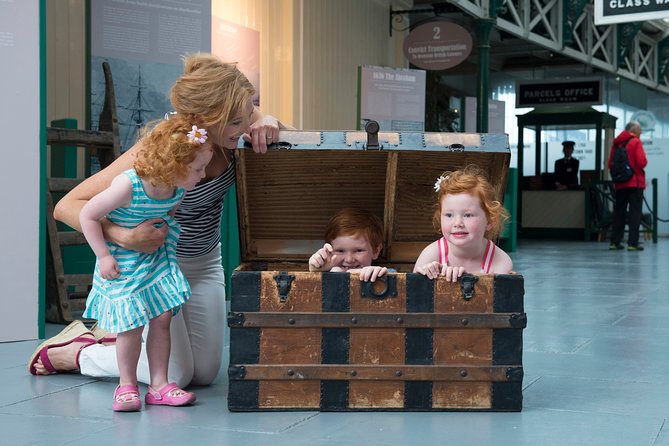
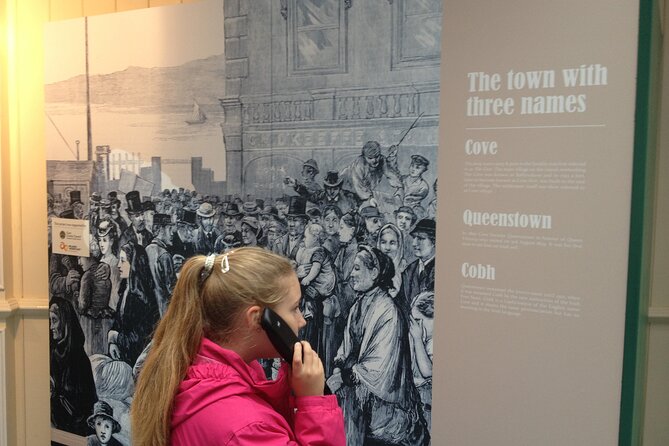
The exhibition mixes written displays with audio and video material. You can also try interactive elements, including a Morse code activity. These touches break up the reading and give you different ways to take in the information.
I prefer this format for a museum about personal stories. You can spend more time on an ancestor’s possible route, then move quickly through a section you already know. A live guide might provide more context, but a self-guided visit gives you control.
The ticket information lists a driver and guide among the inclusions, while the museum experience itself is described as independent and self-guided. If you specifically expect a live guide, check the arrangements at booking. The exhibition does not require you to join a group, and the stated maximum group size is 40 people.
The skip-the-line ticket can be helpful on a busy day, especially when cruise ships are in port. It is not a magic pass to a separate private entrance in every situation, and the centre may route ticket holders through the same entry area. On a quiet day, you may find little or no queue. The value is mainly convenience and advance planning.
Genealogy help for Irish family research
The genealogy service can make this visit much more than a general museum stop. A genealogy consultant is available inside, and access to Ancestry.com is provided.
That does not guarantee that you will solve your family tree in one visit. It does give you a place to begin asking better questions. Bring the names, dates, towns, and destination details you already know. Even a rough family outline may help you connect the exhibition’s general story with your own relatives.
Availability of the genealogy consultant may vary. If this service is central to your plans, ask ahead about access or an appointment. Do not assume that the consultant will be sitting at the desk throughout the day.
The genealogy element is particularly valuable for people whose relatives left Ireland in the 1800s or early 1900s. You may not find a direct record, but the displays can explain the conditions and routes that shaped your family’s choices.
A useful cafe stop beside the quay
The cafe is a practical part of the visit, not just an afterthought. You can stop for coffee or tea and an Irish scone with cream and jam before entering the exhibition or after finishing it.
That matters if you are working around a cruise departure, train schedule, or a short afternoon in Cobh. Anyone who finishes the museum early can use the cafe rather than rushing immediately back outside.
The gift shop adds another easy stop. It may be useful for books, Irish-themed gifts, or a small reminder of the visit. Food and drinks are not included in the ticket, so budget separately for the cafe.
Getting there from Cork, the station, or a cruise ship
The address is Deepwater Quay, Ringmeen, Cobh, County Cork, P24 CY67. The centre is close to public transportation and is easy to reach from central Cobh.
From Cork City, the train journey takes about 25 minutes according to the published visitor information. Once you arrive at Cobh station, the heritage centre is about a four-minute walk. This is a simple option if you do not have a car.
Cruise passengers have an even easier visit. The centre is less than 200 yards from the ship berth, making it a sensible first stop after coming ashore. You can visit the exhibition, walk through town, and continue to the nearby Titanic Experience.
Because the activity begins and ends at the heritage centre, you arrange your own onward plans after the visit. That is useful for independent sightseeing, but you should watch the clock if your ship has a fixed departure time.
How much time and money should you allow?
The price is $18.15 per person. For a museum visit lasting one to two hours, that is a fair price if you plan to read the displays, use the interactive sections, and take advantage of the convenient location.
The value is stronger for anyone interested in Irish family history. The genealogy service and Ancestry.com access may add something that a standard maritime museum cannot. The price is less compelling if you only want a quick Titanic display and have no time for the wider emigration story.
I would allow:
- About 60 minutes for a brisk visit
- 90 to 100 minutes for a comfortable visit
- Up to two hours if you read closely, use the genealogy resources, and stop at the cafe
The ticket is usually booked about 40 days ahead, which suggests that advance planning is common. You receive confirmation at booking, and free cancellation is available up to 24 hours before the start time. A late cancellation or change is not refundable.
Who will enjoy this most?
This is a strong choice for anyone tracing Irish ancestry, especially if a relative left through Cobh. The personal emigrant trail can make the visit feel surprisingly close to home.
It also suits history fans who want more than a Titanic attraction. You get centuries of Irish departure, the Great Famine, maritime links, and military context in one place.
Cruise passengers should find the location especially useful. Families can manage the self-guided pace, although the famine and emigration sections may need explanation for young children. Couples and solo visitors who prefer to read quietly will appreciate the freedom to linger.
I would be less likely to recommend it if you have only 30 minutes in Cobh. The centre needs time to work properly, and a rushed walk through the displays would miss the personal thread that makes the visit worthwhile.
Should you book the Queenstown Story?
Yes, if you want to understand why Ireland’s story reaches so far beyond Ireland. The centre handles difficult subjects with a human focus, and its location makes it one of the easiest cultural stops in Cobh.
Book it especially if you are arriving by cruise, traveling by train from Cork, or researching an Irish ancestor. The cafe, gift shop, genealogy desk, and nearby Titanic attraction make it easy to build into a half-day plan.
Skip it only if your schedule is extremely tight or you want a fully guided tour with constant commentary. The Queenstown Story works best when you take your time, follow the emigrant assigned to you, and let the larger events connect with your own family story.
FAQ
Where is the Queenstown Story located?
It is at Cobh Heritage Centre, Deepwater Quay, Ringmeen, Cobh, County Cork, P24 CY67, Ireland.
How long does the visit take?
The experience takes approximately one to two hours. A focused visit may take about an hour, while allowing 90 to 100 minutes gives you more time for the interactive displays and reading.
Is the tour self-guided?
Yes. The museum exhibition is self-guided, with written displays, audio, video, and interactive features.
What subjects does the exhibition cover?
It covers Irish emigration from the 1600s onward, the Great Famine, Cobh’s maritime and military history, and the town’s links with the Titanic and Lusitania.
Is the centre close to the cruise port?
Yes. It is less than 200 yards from the cruise ship berth, making it convenient for a short visit after coming ashore.
How far is it from Cobh railway station?
The heritage centre is about a four-minute walk from Cobh railway station. The train journey from Cork City takes about 25 minutes.
Is food included in the ticket?
No. Food and drinks are not included, but the centre has a cafe serving refreshments, including scones, cream, jam, coffee, and tea.
Can I cancel the booking?
Yes. You can cancel up to 24 hours before the experience start time for a full refund. Changes or cancellations made less than 24 hours ahead are not accepted for a refund.
Recently added around Cobh
- From Cork: Guided Shared Shore Excursion★ 4.7 · 6 reviews
- Private Tour , Blarney Castle, jameson Distillery and Cobh.★ 5.0 · 8 reviews
- Full Day Private Tour of Jameson Whiskey, Blarney Castle & Cobh★ 5.0 · 11 reviews
- Cobh cruise excursion, Blarney, Cork & Kinsale. Car or Minibus.★ 4.5 · 13 reviews
- Cobh: 3-Hour Cultural Tour Plus★ 4.9 · 31 reviews
- Cobh: Guided Historic Walking Tour★ 4.6 · 32 reviews
- Private tour of, Blarney Castle, Cork City and Kinsale★ 5.0 · 38 reviews
- Private Tour Blarney Kinsale & Cobh Awarded Badge of Excellence★ 5.0 · 43 reviews
Cork Tours, compared.

Cliffs of Moher and More: Full-Day Tour from Cork
Read our review →
Cork Midleton DistilleryJameson Experience & Whiskey Tasting
Read our review →
Ring of Kerry Day Tour from Cork: Including Killarney National Park
Read our review →
Cobh (Cork) to Blarney Castle & Kinsale – Shore Excursion
Read our review →
Shore Excursion From Cork: Including Blarney Castle and Kinsale
Read our review →
Jameson Irish Whiskey & Midleton Distillery Experience
Read our review →
County Cork Highlights Tour with Entrance Tickets
Read our review →Browse the lists this tour appears in