Reviewed · DUBLIN TOURS
Dublin: Windmill Lane Recording Studios Tour
Windmill Lane is not a museum with glass cases and a fixed script. It is a working recording studio, and the hour puts you inside the rooms where Irish and international artists have shaped finished music since 1978. You’ll see Studio 1, hear how a performance is recorded and mixed, and learn why a room, a microphone, and a good engineer can matter as much as the performer.
I like two things right away: the guides are musicians and producers, so they can explain both the glamorous stories and the technical work behind them. I also like the sound demonstrations, especially the 360-degree binaural recording, which gives the tour something to hear rather than simply something to look at.
The main consideration is access. This is a historic three-story building with no lift, and it is not suitable for wheelchair users or people with mobility impairments. Tours run only at set times, cameras and large bags are not allowed, and advance booking is essential.
Key points at a glance
- Studio 1 brings the story to life: Stand in the room connected with an extraordinary list of recordings and see the space where large-scale music is made.
- You hear the process, not just the name-dropping: A band performance, recording examples, voice effects, and binaural audio show how sound changes from live performance to finished track.
- Guides bring real studio experience: Aidan, Maeve, Zara, Stefan, Maria, Ian, and other guides have been praised for making the tour relaxed, friendly, and easy to follow.
- The famous artist list is broad: U2, Hozier, The Cranberries, Westlife, Lady Gaga, Kylie Minogue, Riverdance, The Rolling Stones, Metallica, The Spice Girls, and others are linked with the studios.
- The setting has limits: There are stairs, no lift, no food or drink for sale, and no photography. Plan accordingly.
- At $25, the tour offers more than a photo stop: You pay for access to an active studio, an hour of explanation, and hands-on sound examples rather than a large attraction with many exhibits.
Why Windmill Lane matters to Dublin’s music story
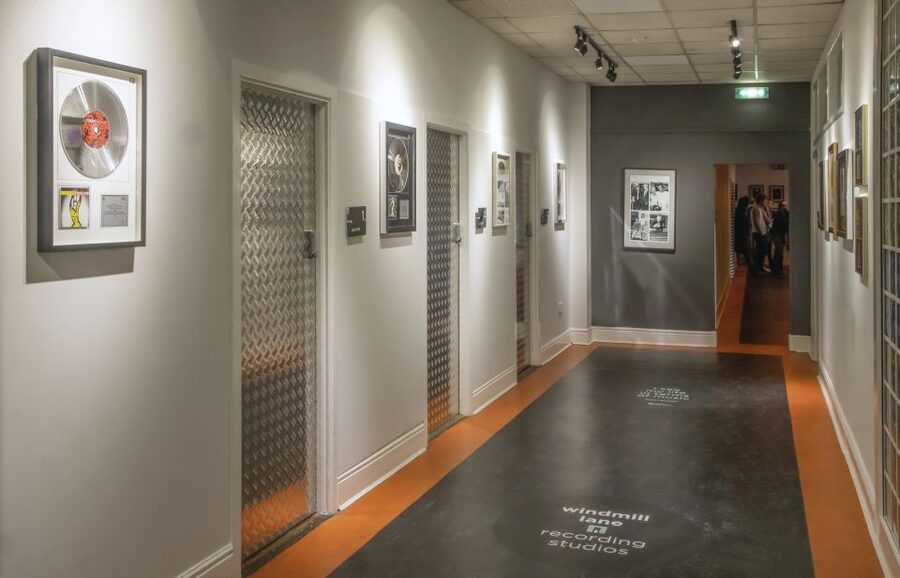
Windmill Lane Recording Studios opened in 1978, at a time when Dublin was developing a stronger place in the international music business. Its story is tied closely to Irish music, but the building’s reach goes well beyond Ireland.
The names connected with the studios include U2, The Cranberries, Hozier, and Westlife, alongside Lady Gaga, Kylie Minogue, The Rolling Stones, Metallica, The Spice Girls, and Riverdance. That range tells you something useful before you arrive: the tour is not limited to one style of music. It touches rock, pop, dance, stage performance, and modern production.
I like that the focus is not simply on famous people who walked through the building. The tour also looks at the people behind the records. Engineers, producers, and studio staff turn an artist’s performance into something that can be edited, balanced, repeated, and played around the world.
That is the part many music fans miss. A singer may provide the voice, but the final recording depends on microphones, room acoustics, equipment, timing, effects, and decisions made at the mixing desk. Windmill Lane gives those less visible jobs their proper place.
A few more Dublin half-days to weigh up
- Dublin to Cliffs of Moher, including Wild Atlantic Way and Galway
★ 5.0 · 23,331 reviews - From Dublin: Cliffs of Moher, Burren & Galway City Day Tour
★ 4.8 · 18,888 reviews - Dublin: Guinness Storehouse Entry Ticket
★ 4.6 · 16,863 reviews
Entering through the metal doors
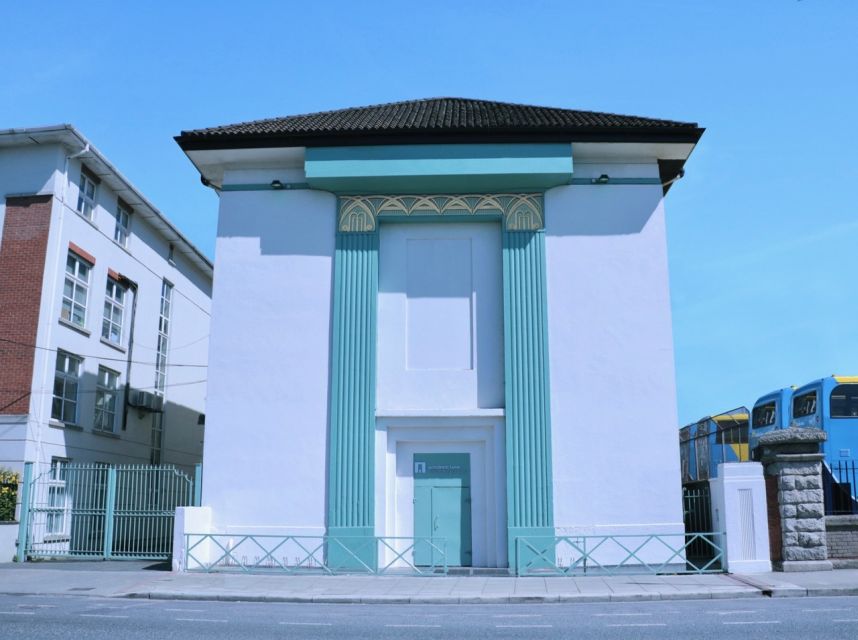
The meeting point is Windmill Lane Recording Studios, and the tour begins and ends there. Do not treat the building as a walk-in attraction. It remains a working studio, so you can enter only for a booked tour on a designated date and time.
The famous metal doors set the mood, but the real interest begins once you move inside. The building is historic and protected, with three floors and limited access for anyone who finds stairs difficult. Wear sensible shoes and allow enough time to arrive without rushing.
Because cameras are not allowed, you will need to leave photography behind. That may disappoint anyone hoping for a collection of studio selfies, but it also keeps the experience focused on listening and watching the guide work with the equipment.
Large bags and luggage are not allowed. This matters if you are visiting Dublin between hotels or arriving straight from the airport. Make another plan for your belongings before you reach the studio.
The one-hour route through a working studio

The tour lasts about one hour, which is a good length for a technical subject. You get enough time to understand the studio without spending half a day on recording equipment.
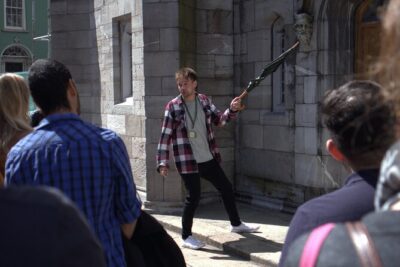
Your guide takes you through the building and explains how its work has changed from early recording devices to current computer software. The point is not to drown you in jargon. The best guides adjust the explanation to the group, giving beginners a clear introduction while offering more detail to people studying music production or working with sound.
Aidan has been praised for combining stories, demonstrations, and humor. Maeve has been described as warm and thorough, while Zara, Stefan, Maria, Ian, and other guides have also led tours. Names and styles can vary by date, but the guide’s role is central to the experience. This is not a building you can fully understand by wandering through rooms on your own.
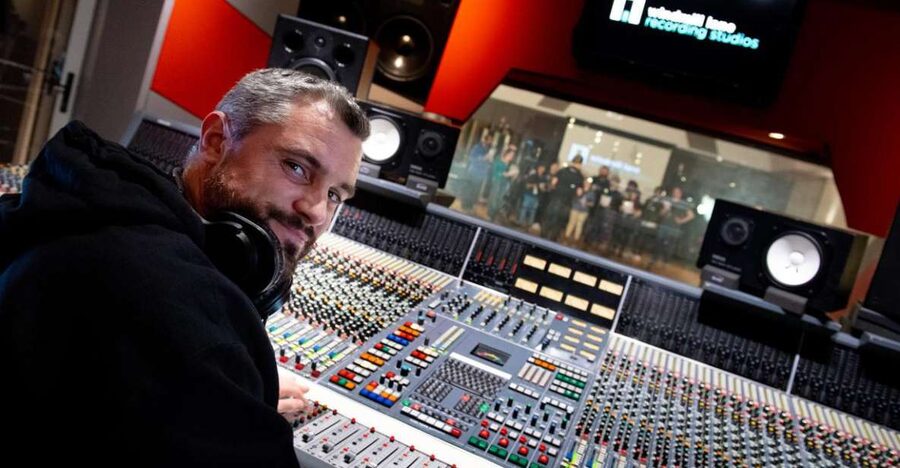
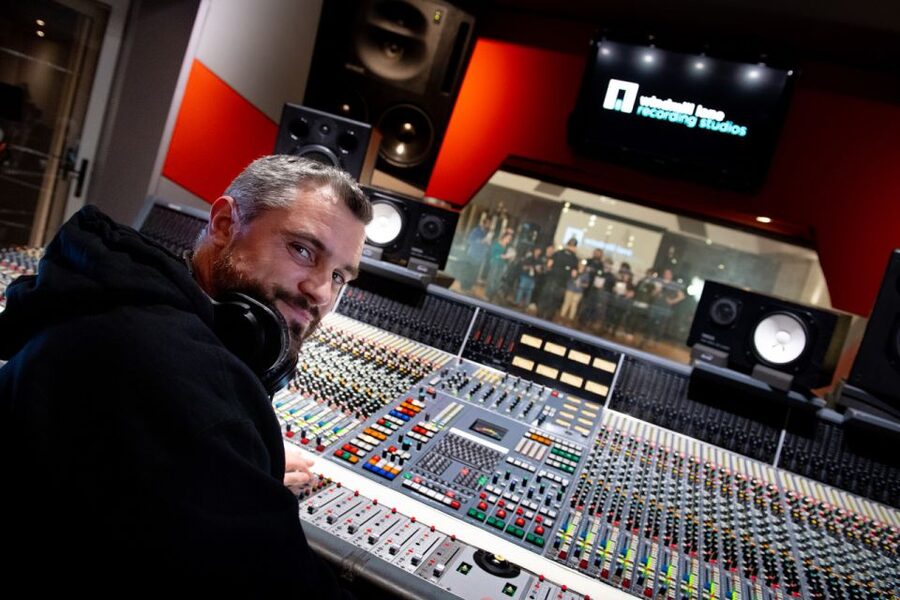
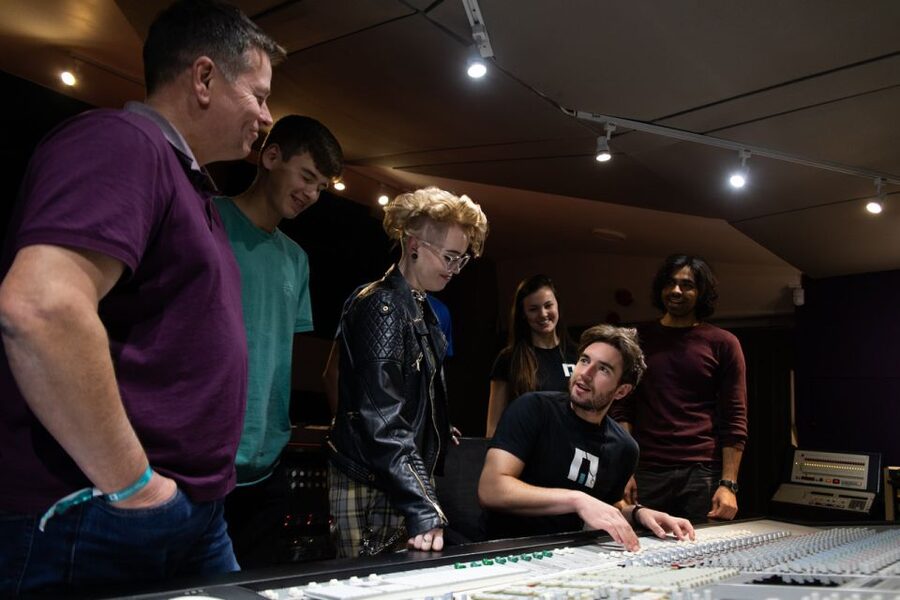
You may get the chance to try some of the equipment. The large mixing console is a highlight, especially if you have never sat in the chair used by a sound engineer. That simple moment helps explain the scale of the job. A recording studio is not just a singer standing at a microphone. It is a control room full of choices.
Studio 1 and the rooms where music takes shape
Studio 1 is the major stop. The room gives the tour a sense of place that a display of records could never match. You are standing inside an actual recording environment, not looking at a recreated set.
The studio’s connection with major recordings gives the space emotional weight for music fans. If U2, The Cranberries, Hozier, Lady Gaga, The Rolling Stones, or another familiar name has a place in your personal soundtrack, seeing where professional work was made can feel surprisingly direct.
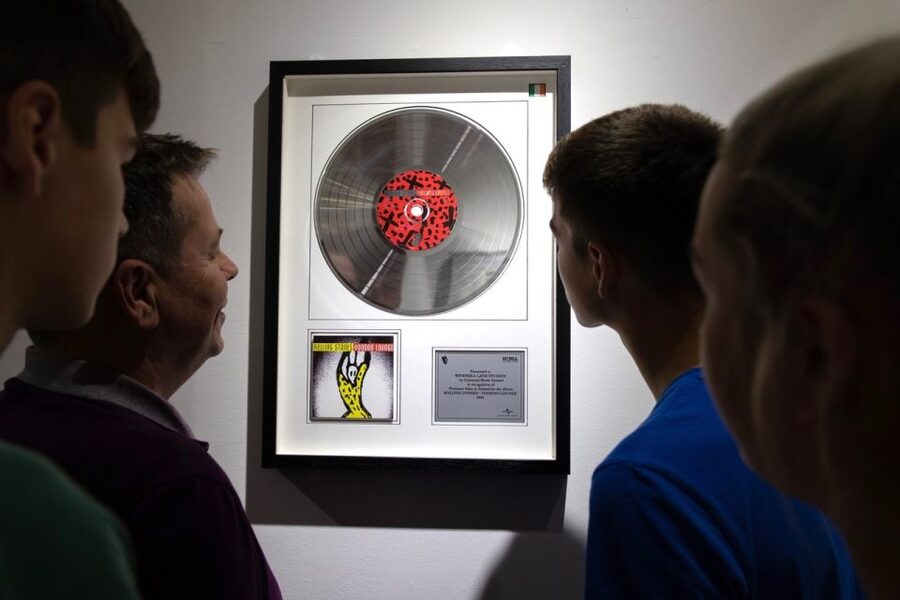
The tour also refers to gold and platinum records, Grammy awards, artist signatures, and other pieces tied to the studio’s story. These details help connect the technical side of the visit with the finished music you already know.
Still, keep your expectations sensible. You are not promised a live celebrity recording session or access to every room in use that day. The studio continues to operate, and the route may focus on spaces that can be shown safely and appropriately. The value comes from the explanation and demonstrations, not from celebrity sightings.
A different sort of day from the same base:
- Dublin to Cliffs of Moher, Burren, Wild Atlantic Way, Galway Tour
★ 5.0 · 12,924 reviews - Dublin to Belfast Black Cab, Dunluce Castle and Giant’s Causeway
★ 5.0 · 7,954 reviews - Kilkenny, Wicklow Mountains & Glendalough Day Tour from Dublin
★ 5.0 · 7,897 reviews - From Dublin: Wicklow Mountains, Glendalough & Kilkenny Tour
★ 4.8 · 6,235 reviews
Hearing the recording process in action
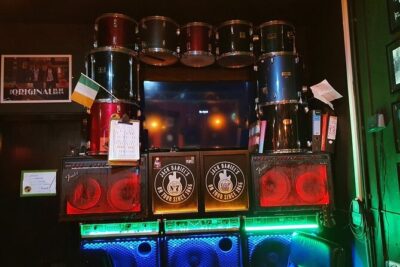
One of the strongest parts of the tour is a recording of a band performing in the live room. As you listen, the guide explains how the sound is captured and shaped.
This turns an abstract lesson into something you can follow with your ears. You begin to understand how separate instruments can be recorded, adjusted, and brought together. The recording process becomes less mysterious, and you can hear why the studio environment matters.
The tour also includes examples of voice alteration and sound production. One demonstration has been described as especially striking because it shows how a voice can change tone. You do not need to be a producer to appreciate the result. It is a quick, clear reminder that the voice on a finished track may have passed through several technical stages.
For anyone studying music production, this section carries extra value. You can ask about recording techniques, studio facilities, and the difference between older equipment and present-day software. The explanations can be geared to different levels, so beginners should not feel left behind.
The 360-degree binaural sound demonstration
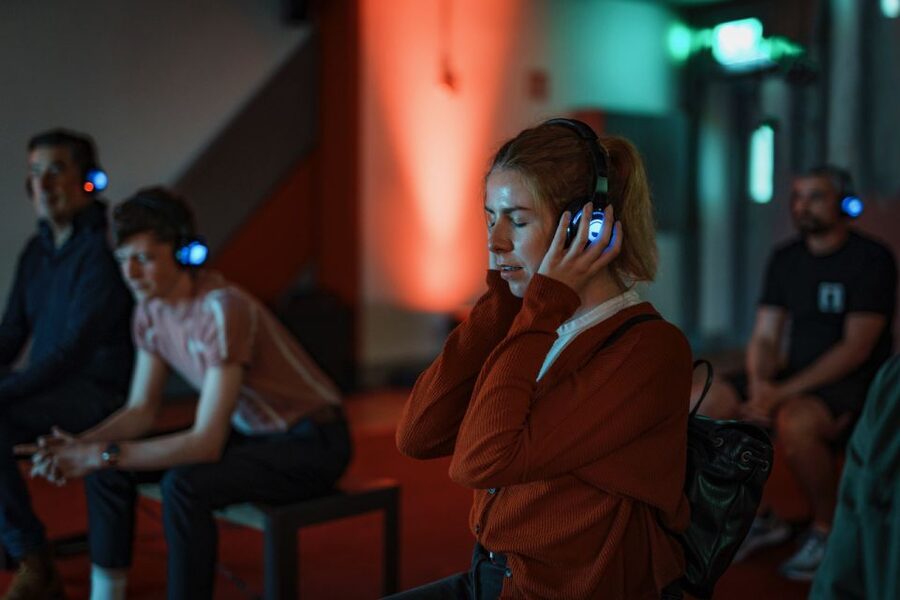
The final sound demonstration is a commissioned binaural recording. With your eyes closed, you hear sound designed to create a 360-degree effect around you.
This is the tour’s most unusual feature. Many studio visits rely on stories and equipment. Windmill Lane adds a listening experience that shows how modern audio can create a sense of position and movement.
The demonstration does not require specialist knowledge. You simply listen and notice how the sound seems to occupy space rather than come from one flat point. It gives the tour a strong finish and reinforces the studio’s connection with current recording methods.
If you prefer practical demonstrations to long historical talks, this will likely be one of your favorite moments. If you are sensitive to sound or would rather observe quietly, you can hang back. The experience is interactive, but you are not required to perform.
Guides who make the technical details easy
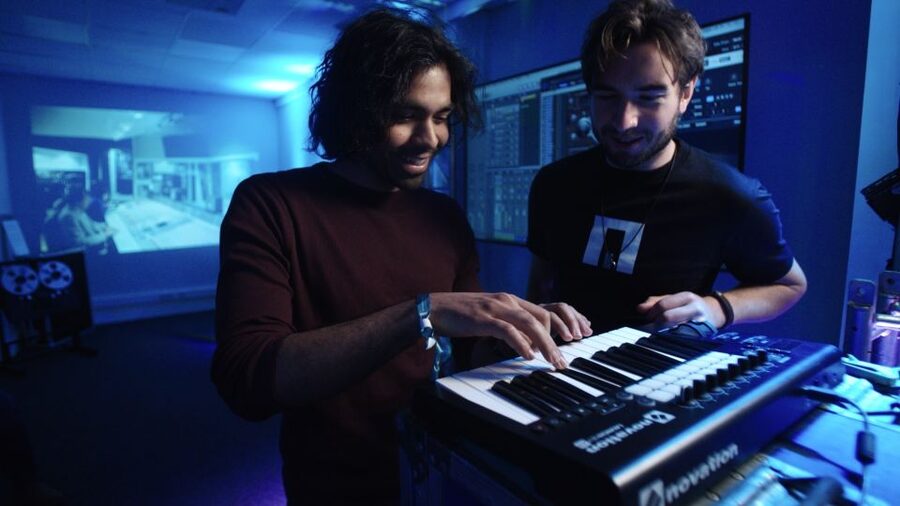
The guide can make or break a studio tour. A fixed audio guide could tell you which artists recorded in the building, but it could not respond to your questions or adjust the level of detail.
Windmill Lane’s guides work in music and production themselves. Aidan has been singled out for his friendly manner and ability to explain the studio’s story from its early days to its connection with major artists. Maeve has led relaxed, well-organized tours, and Stefan has been praised for adapting explanations to the group’s range of experience.
The same qualities appear across the named guides. Maria brings a warm welcome and encourages visitors to try the technology. Ian explains the artists and studio work in a calm, accessible way. Zara and Aidan have led small, engaging groups, while Ross has been praised for making the history fun.
That variety is worth noting. The experience does not depend on one personality, but you should expect the tone to differ slightly from one guide to another. The common thread is direct contact with people who understand recording rather than a purely memorized presentation.
Small groups and the value of participation
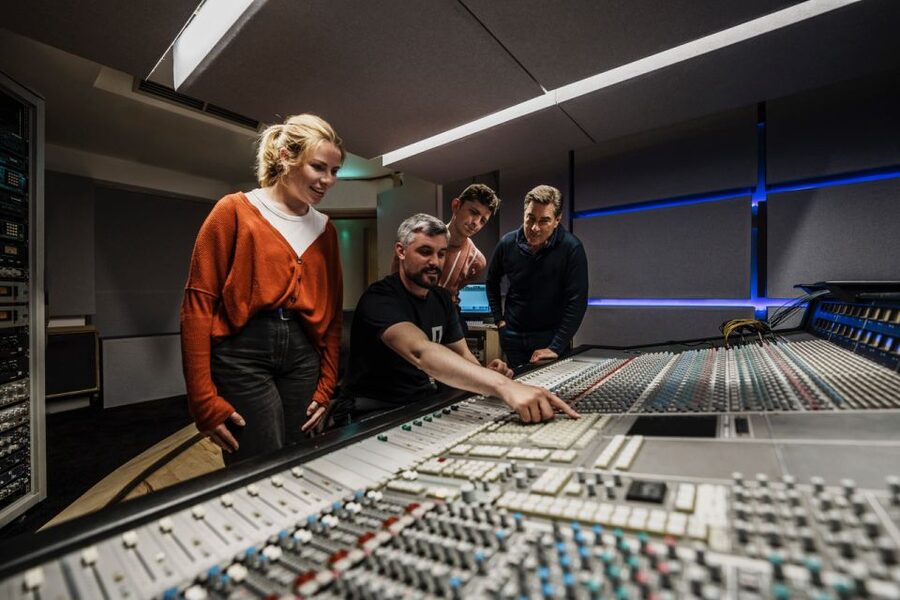
The tour works best as a small-group experience. A compact group makes it easier to sit at the console, ask questions, and hear the audio demonstrations without fighting through a crowd.
You can take part or hang back. That flexibility matters for mixed groups. A music-production student may want to ask about the equipment, while a partner who simply loves U2 or The Cranberries may prefer the stories and listening examples.
Families with older children may find the equipment fascinating, but the activity is not suitable for children under five. The building’s stairs also make it a poor choice for anyone who cannot manage moderate physical movement.
I would especially recommend it to people who listen closely to albums, play an instrument, study production, or enjoy understanding how creative work gets made. You do not have to be an expert. The guide’s job is to explain the basics without making you feel that you should already know them.
Is $25 a fair price?
At $25 per person, this is not the cheapest short activity in Dublin. The tour lasts only an hour, and you do not receive food, drinks, transportation, or hotel pickup.
The comparison is not really with a long sightseeing excursion, though. You are paying for entry into an operating recording studio, a guide with practical music experience, demonstrations at the equipment, access to Studio 1, and a specially commissioned audio presentation.
I consider that reasonable value if music is part of your Dublin plans. The tour offers something distinct from a general city museum, and the one-hour format fits neatly into a day of sightseeing around central Dublin. You can pair it with a café or restaurant nearby because food and drinks are not sold inside the studio.
The value drops if you are hoping for a large, self-guided attraction with extensive exhibits. There is no indication of a long free-roaming visit, and the building’s working status means the experience depends on the guide and the spaces available that day.
Free cancellation is available up to 24 hours before the activity, and you can reserve now and pay later. Those terms help if your Dublin schedule is still taking shape, but the fixed tour times mean you should still book early.
Practical details before you go
Plan for the following:
- The tour is in English and includes a live guide.
- The activity starts and ends at Windmill Lane Recording Studios.
- Tours run only on designated dates and at set times.
- Advance booking is essential.
- Cameras are not allowed.
- Large bags and luggage are not allowed.
- No food or drinks are sold on-site.
- Cafés, restaurants, and convenience stores are close by.
- Moderate physical fitness is needed.
- The historic three-story building has no lift.
- The activity is not suitable for wheelchair users or people with mobility impairments.
- Children under five cannot take part.
The no-camera rule is easy to overlook, so make a note of it before you arrive. You will have to remember the visit through the sound demonstrations, the rooms, and the stories rather than through photographs.
Who should book Windmill Lane?
You should book if you want to understand how music is made, not just collect another Dublin landmark. The tour suits fans of Irish rock, international pop, recording technology, live performance, and studio history.
It is also a thoughtful gift for a partner or friend who plays music. A music-production student may get particular value from the equipment demonstrations and discussion of recording techniques, while a casual listener can enjoy the famous names and the chance to hear the process explained in plain terms.
I would be more cautious if you dislike stairs, cannot manage a three-story historic building, or want an activity with food and drink included. It is also not ideal if photography is an important part of how you enjoy a visit.
FAQ
How long is the Windmill Lane Recording Studios tour?
The tour lasts one hour. Starting times vary, so check availability when booking.
What language is the tour in?
The tour is conducted in English with a live guide.
Where does the tour begin and end?
It begins at Windmill Lane Recording Studios and ends back at the same meeting point.
Is Windmill Lane Recording Studios a regular walk-in attraction?
No. It is a working recording studio, and tours take place only on designated dates and at set times. Advance booking is essential.
Can I take photographs during the tour?
No. Cameras are not allowed.
Can I bring luggage or a large bag?
No. Luggage and large bags are not allowed.
Is the tour suitable for wheelchair users?
No. The historic three-story building has limited access and no lift facilities. It is not suitable for wheelchair users or people with mobility impairments.
Can children under five join the tour?
No. The activity is not suitable for children under five.
Should you book this Dublin studio tour?
If music matters to you, I would book it. At $25, Windmill Lane offers a focused hour inside a genuine working studio, with access to Studio 1, practical demonstrations, famous recording stories, and a memorable 360-degree audio session.
The best reason to go is not simply the list of artists. It is the chance to understand the craft behind the songs. Book ahead, leave your camera and large bag behind, and choose another activity if stairs are a problem. For the right visitor, this is one of Dublin’s most personal music experiences.
Recently added around Dublin
- Dublin: Pub Tour. Pour The Perfect Guinness, Whiskey & Music★ 5.0 · 3 reviews
- Waterford Crystal and Kilkenny Full-Day Rail Tour from Dublin★ 5.0 · 3 reviews
- Cliffs of Moher and The Burren Private Tour from Dublin★ 5.0 · 3 reviews
- Private Chauffeur Service From Dublin Airport to Killarney★ 5.0 · 3 reviews
- Beautiful Southwest Tour 2022★ 5.0 · 3 reviews
- A Self Guided Walking Tour of Dublin’s Docklands★ 4.5 · 3 reviews
- Dublin One Day Tour with a Local: 100% Personalized & Private★ 4.5 · 3 reviews
- Ireland: 3-Day West Coast Explorer Tour★ 5.0 · 3 reviews
Dublin Tours, compared.

Dublin to Cliffs of Moher, including Wild Atlantic Way and Galway
Read our review →
Cliffs of Moher, Burren & Galway City Day Tour
Read our review →
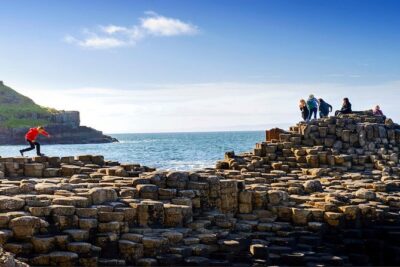
Dublin to Belfast Black Cab, Dunluce Castle and Giant’s Causeway
Read our review →
Kilkenny, Wicklow Mountains & Glendalough Day Tour from Dublin
Read our review →
Wicklow Mountains, Glendalough & Kilkenny Tour
Read our review →