
Reviewed · GALWAY TOURS
Galway City Walk: Rougues, Rebels and Rakes
Galway’s past gets personal on this private walking tour, where medieval streets lead to stories of sieges, family power, fishing traditions, and grim deeds. You move through the city’s old core rather than simply ticking off landmarks, with a local guide explaining why each place matters.
I like the focus on Saint Nicholas Church, Ireland’s oldest functioning medieval church, and the walk’s unusual range. In two hours, you can hear about the 14 Tribes of Galway, inspect the old Fishmarket, learn the tale behind the King’s Head pub, and follow the River Corrib.
The main consideration is the weather. The tour runs rain or shine, and much of it is outdoors. Bring waterproof shoes and rain gear, and confirm the finish point before setting out because the route lists Fishmarket as the end while the meeting details also describe a return to the starting point.
Key points to know before booking
- 800 years of Galway in about two hours: The guide links medieval power, city walls, religious sites, maritime life, and local legends into one compact walk.
- Saint Nicholas Church is a major stop: You visit Ireland’s oldest functioning medieval church and hear how Galway endured 18 sieges.
- The private format keeps the pace flexible: Your group can ask questions, and guides Derek and Marteen have been praised for their humor, patience, and personal approach.
- The Claddagh story goes beyond jewelry: The walk connects the famous ring with Galway’s old fishing village and maritime traditions.
- The route covers about 1 mile, or 1.5 kilometers: This is an easy city walk, though cobbles and wet surfaces make good footwear important.
- Rain does not cancel the experience: Pack an umbrella, waterproof shoes, and rain gear even if the morning looks clear.
Galway’s story begins at Eyre Square
Meet your guide at the front steps of the Hardiman Hotel, beside Eyre Square and the train station. This is a practical starting point if you arrive in Galway by rail, and it puts you straight into the city center.
The opening stop in Eyre Square gives you a useful sense of place. Rather than beginning with a single building, the guide can set up Galway as a compact city shaped by trade, religious life, family rule, conflict, and the sea.
The tour description allows about 15 minutes here before the broader city walk begins. That short introduction matters because Galway’s old center is close-packed. Once you turn into the medieval quarter, it helps to know which streets and institutions shaped the town.
You will be walking with an English-speaking local guide in a private group. That arrangement suits you if you like to ask questions without holding up a large crowd. Derek is described as personable, funny, and willing to give useful answers, while Marteen has a patient style that worked well for a family group. One especially nice detail is that Marteen helped connect a visitor’s family name, Martin, with one of Galway’s 14 founding tribes.
That kind of family link is one reason a private guide can be more rewarding than an audio guide. Galway’s past is not presented as a list of dates. It becomes a set of names, places, and stories that may connect with your own interests.
More City Tours in Galway
- Aran Islands and Cliffs of Moher Day Cruise sailing from Galway City Docks
★ 4.5 · 418 reviews - Galway: City Sightseeing Hop-On Hop-Off Bus Tour
★ 4.4 · 321 reviews - Walking and Tasting Tour of Galway City
★ 5.0 · 283 reviews
The Latin Quarter and the King’s Head
From Eyre Square, the walk moves into Galway’s Latin Quarter and Medieval Quarter. These areas give you the best sense of the city’s old street pattern, with historic buildings and narrow routes gathered close together.
The King’s Head pub is one of the more memorable stops. It occupies a medieval building, and the guide explains the meaning behind its name. The subject brings out the darker side of the tour, which is why Rougues, Rebels and Rakes is not a plain architecture walk.
You should expect stories about power, punishment, rebellion, and the less polished side of city life. The material is described as sometimes fun and sometimes gruesome. That makes the tour a better match for adults and older children who enjoy historical storytelling rather than a gentle sightseeing stroll.
The pub is a good example of how the tour uses everyday Galway. You are not only looking at grand religious buildings or civic monuments. You are also learning how a working city’s buildings carried old associations into modern life.
Do not expect a pub visit to function like a food or drink tasting. The experience is a walking tour, and the King’s Head is included for its building and story. If you want a tour built around pints, meals, or live music, this is not that product.
Saint Nicholas Church and 18 sieges
Saint Nicholas Church is the historical anchor of the walk. It is identified as Ireland’s oldest functioning medieval church, giving you a rare chance to see a place of worship that still serves its original broad purpose.
Your guide also discusses Galway’s 18 sieges. That number gives you a quick sense of how exposed and contested the city was over the centuries. The church is not treated as an isolated monument. Its setting helps explain the pressures faced by a medieval port city and the people who lived within its walls.
I would pay close attention here if you are interested in how local history survives in active places. A functioning church has a different feel from a preserved ruin. You may find the visit more meaningful because the building remains part of city life rather than existing only as a display.
The stop also helps balance the tour’s darker tales. Stories of conflict and punishment can become a little heavy when presented one after another. A church, with its long connection to the community, gives the history a wider human frame.
The information provided does not promise a private interior tour or guaranteed access to every part of the church. Conditions at historic sites can change, so think of Saint Nicholas as a guided exterior and site visit with church access as part of the planned experience, rather than assuming a full behind-the-scenes visit.
Lynch’s Castle and the 14 Tribes of Galway
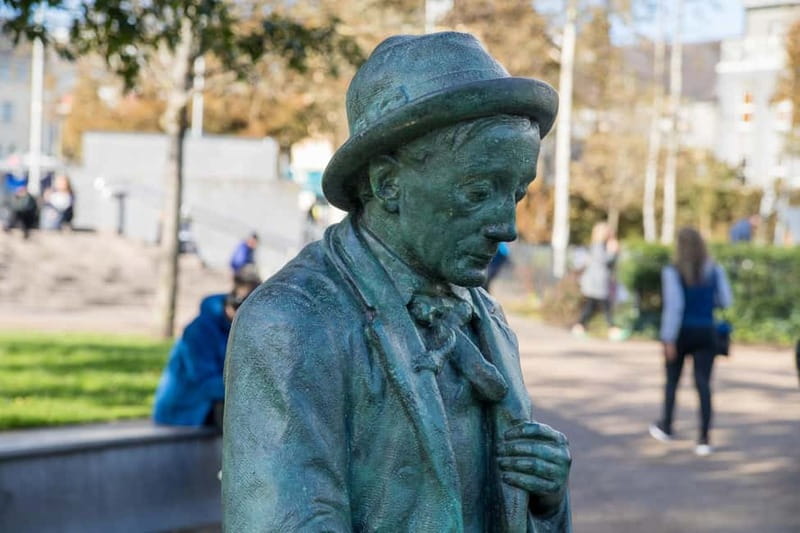
Lynch’s Castle brings you into the world of Galway’s powerful medieval families. The guide uses the building to explain what life was like for townsfolk and to introduce the 14 Tribes of Galway.
This is one of the tour’s strongest local elements. Many city walks name famous rulers and move on. Here, the focus includes the families that helped shape Galway’s civic and commercial life. If your surname happens to connect with one of the 14 tribes, the subject may become especially personal.
The story of the Martin family connection shows how the guide can make this section work for different audiences. You do not need a Galway family tie to enjoy it, but you should come prepared for local names and relationships. A guide can make those details clear, though they may be harder to follow if you are hoping for a simple chronological story.
Lynch’s Castle also gives you another view of the city’s social order. The tour is not just about beautiful old buildings. It asks who had power, how townspeople lived, and how Galway’s leading families affected the streets around them.
If you have already taken a broad Ireland history tour, this portion may feel more specific and useful than another general account of kings and battles. It brings the focus down to one city and its own families.
More Walking Tours in Galway
- The Welcome to Galway Walking Tour
★ 5.0 · 427 reviews - Galway: Welcome to Galway Walking Tour
★ 4.8 · 338 reviews - Galway: Dark History Guided City Walking Tour
★ 4.8 · 236 reviews - The Legendary Walking Tour of Galway
★ 5.0 · 230 reviews
City walls, Fishmarket Square, and the Spanish Arch
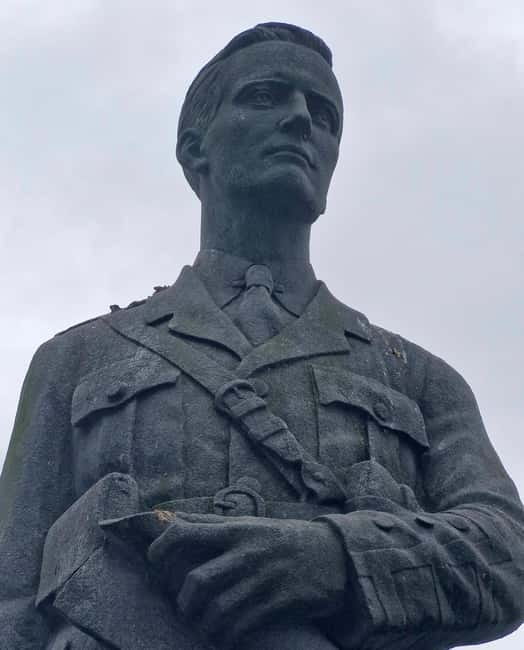
The walk continues through Galway’s old defenses and toward Fishmarket Square. These stops show the city as a place of trade and protection, not merely a picturesque medieval center.
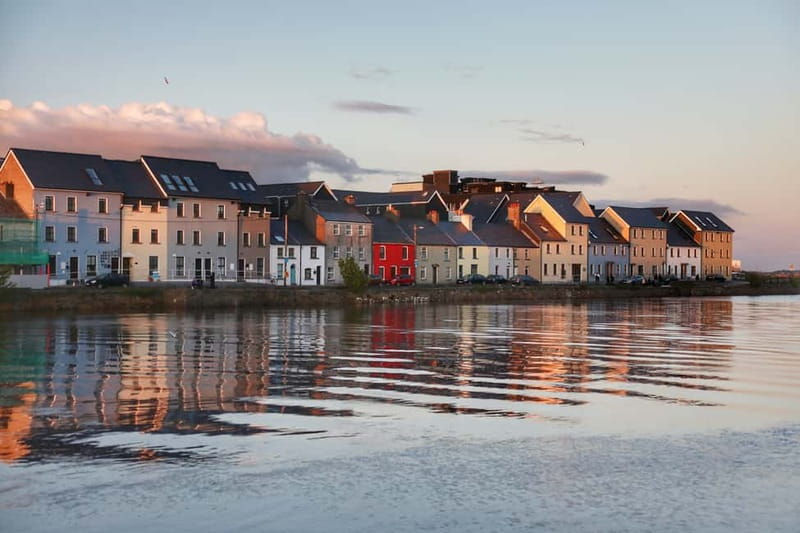
At the old Fishmarket, you learn about the area’s traditions and working life. The subject connects naturally with the Claddagh, Galway’s former fishing village. This maritime thread gives the tour a welcome change of pace after the churches, family stories, and sieges.
The Spanish Arch is another important landmark. Its name and location point toward Galway’s links with shipping and overseas trade. The guide explains the history attached to the arch, the nearby Old Fishmarket, and the waterfront.
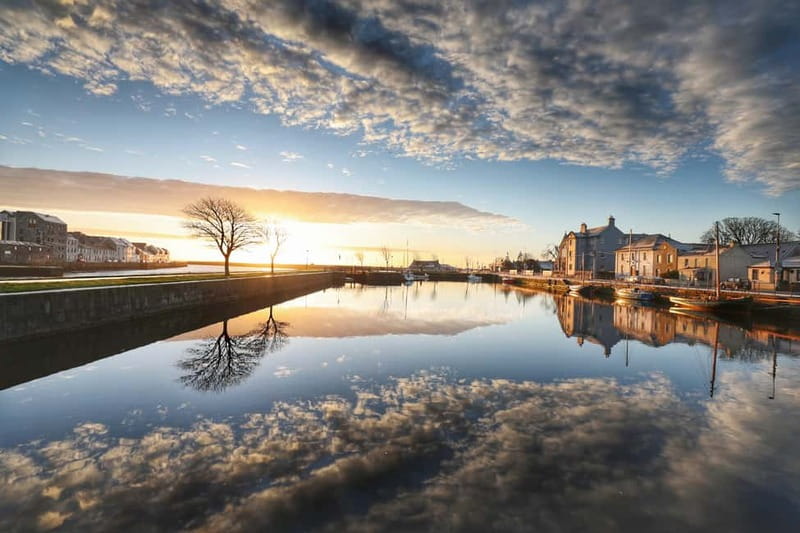
You also visit the Long Walk, where the city opens toward Galway Bay. From here, the tour offers views across the water toward the Burren Hills in County Clare. That is a valuable part of the experience because it lets you see Galway in its wider setting. The city’s old streets make more sense when you can look outward to the bay and understand its connection to the sea.
The waterfront section is likely to appeal to you if you prefer working history to royal interiors. It deals with fishing, shipping, trade, and the people who made their living near the water. At the same time, exposed waterfront paths can feel colder and wetter than streets inland, so keep your rain gear handy.
The Claddagh Ring Museum and Galway’s fishing traditions
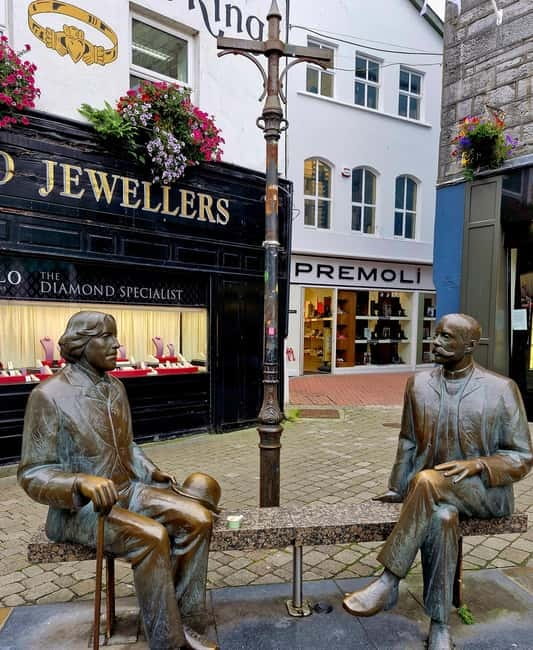
The Claddagh Ring Museum adds a focused local subject to the walk. You learn the secrets and meaning connected with the Claddagh ring while also hearing about the old fishing village of Claddagh.
This is more useful than treating the ring as a souvenir symbol without context. The tour connects the design to Galway’s local identity and maritime past. If you are considering buying a Claddagh ring during your stay, this background can help you understand what the symbol represents before you spend money.
The supplied details do not specify museum admission arrangements, the length of the museum visit, or whether every display is guaranteed to be open. I would treat the museum as an included stop in the walking experience, but confirm current access if it is the main reason you want to book.
The waterfront and museum sections also help explain why this tour feels broader than a simple medieval-quarter walk. You get religious history, family history, urban defenses, and seafaring traditions in one route.
The River Corrib, Nuns Island, and the cathedral
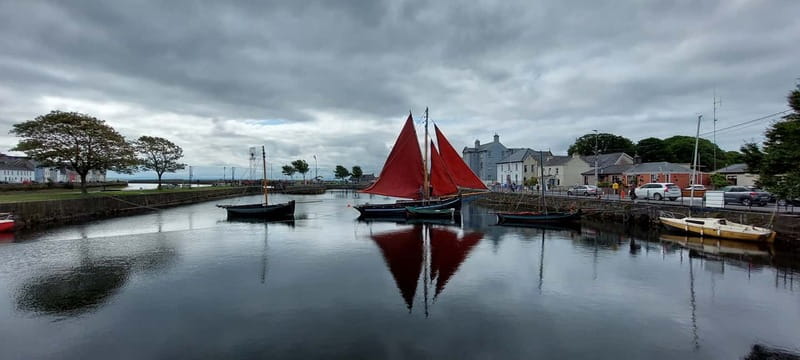
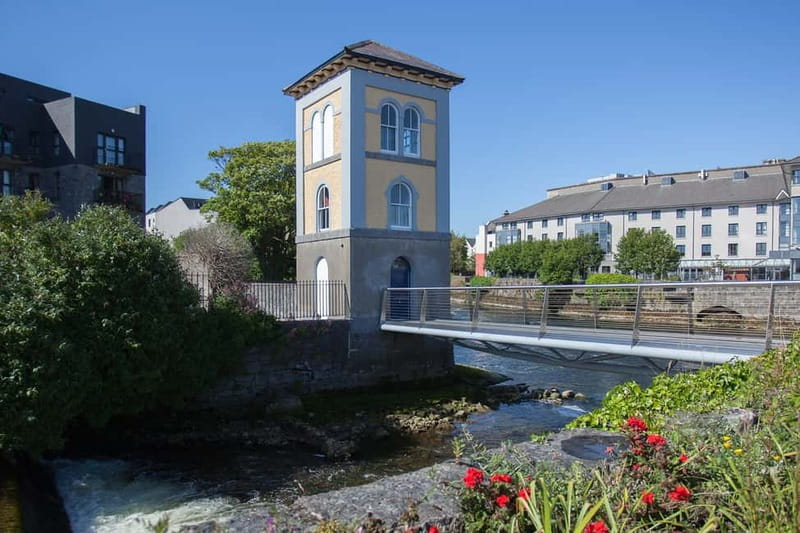
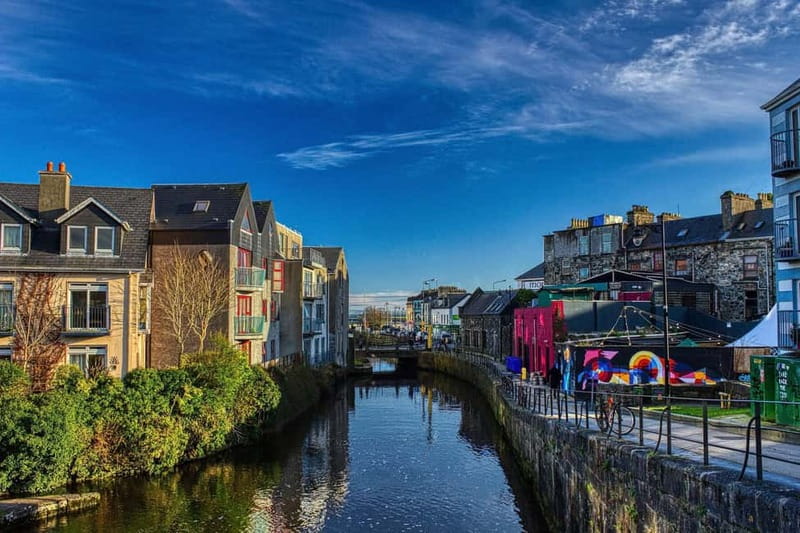
The final part takes you along the River Corrib Walk. The river gives you a calmer setting after the tight streets of the Medieval Quarter, and the walk lets you see how water shaped Galway’s daily life and development.
Your guide explains the story behind Nuns Island, then brings you to Galway Cathedral. The cathedral is described as having once been the city’s penitentiary, an unexpected detail that fits the tour’s interest in unusual and darker chapters.
This section should suit you if you like a mix of scenery and local stories. The river walk gives you room to look around, while the cathedral adds a large landmark to the route. You are not simply moving from one famous facade to another. The guide keeps returning to how each place served the city.
The walk covers approximately 1 mile, or 1.5 kilometers, so the physical demand is modest. Still, the route is outdoors and may include uneven or wet surfaces. Wheelchair access is listed, but it is sensible to mention your needs when booking, especially if weather affects the route.
There is a small planning issue here. The stop list says the tour finishes at Fishmarket, while the meeting information says the activity ends back at the meeting point. Ask Wild About Ireland to confirm the exact endpoint before booking, especially if you have a train, dinner reservation, or another tour afterward.
What the $40 price gets you
At $40 per person, the tour’s value depends mainly on the size of your private group. You are paying for a two-hour walk with a professional local guide, not for transport, meals, or a long list of paid admissions.
For one or two people, that price is higher than joining a large group walk. The benefit is a more personal format, with room for questions and the chance to ask about your own interests. Derek’s ability to give useful feedback and Marteen’s patience with questions and attempts at Irish point to the sort of interaction you can expect from the better guide-led version of a city walk.
For a family or small private group, the price can make better sense. You share the guide’s attention, and the route covers many of Galway’s key historic areas without using a vehicle. It also gives you a strong orientation early in your stay, helping you decide which places deserve a longer return visit.
The tour does not include a meal, drink, or transport. The King’s Head is a historic stop, not a promised pub tasting. The Claddagh Ring Museum is included in the route description, but details about admission should be confirmed if that matters to your budget.
Free cancellation up to 24 hours before the start and the option to reserve now and pay later make the booking less rigid. Those policies are useful in Galway, where rain can change your plans, though the tour itself still runs in wet weather.
Rain, footwear, and the right kind of visitor
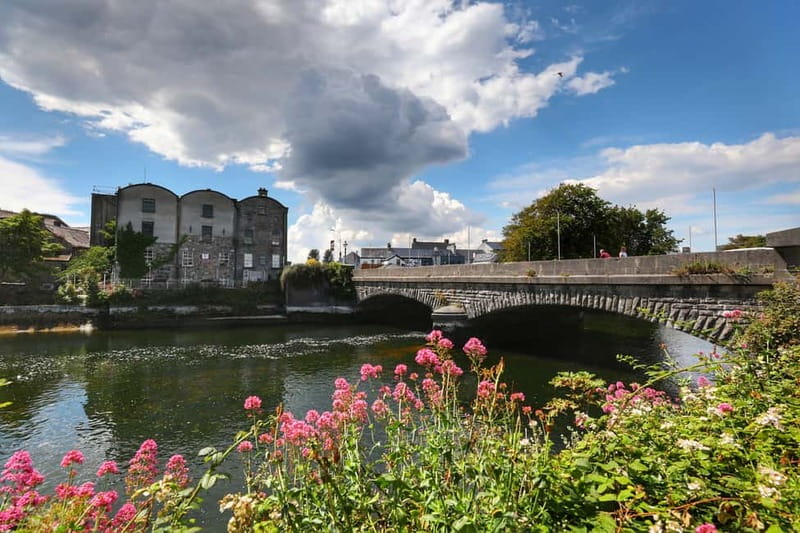
Galway weather can turn a pleasant walk into a damp one quickly. The tour specifically advises you to bring an umbrella, rain gear, and waterproof shoes, and it operates rain or shine.
You should dress for an outdoor walk even if the forecast looks kind. The River Corrib and waterfront portions may be more exposed, while old streets can become slippery when wet. Comfortable shoes matter more than smart clothes.
This experience suits you best if:
- You want local stories instead of a quick photo stop at each sight.
- You enjoy medieval history, family stories, churches, city defenses, and maritime life.
- You prefer a private group and the freedom to ask questions.
- You have about two hours for a compact introduction to central Galway.
- You are comfortable walking outdoors in uncertain weather.
It may not suit you if you want extensive interior access, a food-focused tour, or a completely sheltered activity. The route is short, but the storytelling covers grim subjects, so anyone sensitive to tales of sieges and punishment should know the tone before booking.
Should you book Galway City Walk?
Book this walk if you want Galway explained by a local rather than viewed as a collection of colorful streets. Its best features are the range of subjects, the private format, and the personal style associated with guides such as Derek and Marteen.
I especially like the way the route links Saint Nicholas Church, Lynch’s Castle, the 14 Tribes, the Claddagh, Fishmarket Square, and the Spanish Arch. You finish with a clearer idea of how religion, family power, trade, fishing, and conflict shaped one small Irish city.
The $40 price is easiest to justify for a private family or small group. Pack for rain, confirm the endpoint, and choose this experience for stories and context rather than food, transport, or grand palace interiors.
FAQ
How long does Galway City Walk: Rougues, Rebels and Rakes last?
The activity is listed as a two-hour private walking tour. The overview also refers to a 2.5-hour tour, so confirm the current duration when checking availability.
Where does the tour start?
The tour starts at the front steps of The Hardiman Hotel on Eyre Square, beside Galway’s train station.
Where does the tour finish?
The route lists Fishmarket as the finish. The meeting information also says the activity ends back at the meeting point, so confirm the endpoint with Wild About Ireland before booking.
What language is the tour conducted in?
The live tour guide speaks English, and English is the listed tour language.
Is the tour private?
Yes. The activity is offered for a private group rather than as a shared group tour.
How far do you walk?
The distance covered is approximately 1 mile, or 1.5 kilometers.
Is the tour wheelchair accessible?
Wheelchair access is listed for the activity.
Does the tour operate in bad weather?
Yes. The tour runs rain or shine. You should bring an umbrella, rain gear, and waterproof shoes.
What landmarks are included?
The route includes Eyre Square, the Latin Quarter, Saint Nicholas Church, the King’s Head pub, Lynch’s Castle, the city walls, the Medieval Quarter, the Claddagh Ring Museum, Fishmarket Square, the Spanish Arch, the Long Walk, Nuns Island, Galway Cathedral, and the River Corrib Walk.
Can I cancel the booking?
You can cancel up to 24 hours in advance for a full refund. A reserve-now-and-pay-later option is also listed.
Recently added around Galway
- Sean’s Bar, Athlone Castle and Clonmacnoise Monastery★ 4.5 · 3 reviews
- Ferry ticket – Day return ticket to Inishbofin Island from Cleggan. Self Guided.★ 5.0 · 3 reviews
- Connemara/Galway: Inis Meáin Return Ferry Transfer★ 4.7 · 3 reviews
- Galway: Medieval Galway Tour★ 4.7 · 3 reviews
- Galway: HerGalway Walking Tour★ 5.0 · 3 reviews
- From Galway: Cliffs of Moher and The Burren Tour★ 5.0 · 3 reviews
- Galway’s Historical Gems: A Walk Through Time★ 5.0 · 3 reviews
- Galway Tasting and Walking Tour★ 5.0 · 3 reviews
Galway Tours, compared.
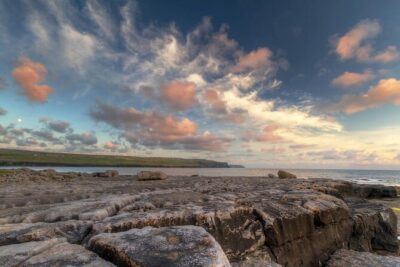
Galway to Cliffs of Moher, Aillwee Cave & Dunguaire Castle Tour
Read our review →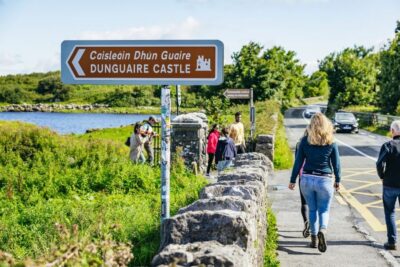
Full-Day Cliffs of Moher & Burren Guided Tour
Read our review →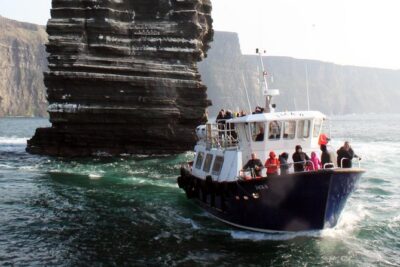
Galway to Inisheer Aran Islands, Cliffs of Moher and Boat Trip
Read our review →
Aran Islands and Cliffs of Moher Tour & Cruise
Read our review →
Cliffs of Moher & the Burren Tour from Galway
Read our review →
Cliffs of Moher and The Burren Guided Day Trip
Read our review →
Galway to Aran Islands Inisheer, Doolin, Cliffs of Moher Day Tour
Read our review →Browse the lists this tour appears in