
Reviewed · GALWAY TOURS
Traditional Irish Homemade Baking Scones and Bread
The best part of this Galway-area experience is simple: you do not just watch someone bake. Kate Wright puts you to work in her home kitchen, where you handle ingredients, shape scones, and knead Irish bread before sitting down to eat what you made. It feels more like a friendly afternoon at someone’s house than a formal cooking demonstration.
I like two things right away. First, the recipes are practical enough to repeat at home, with printed copies included. Second, the setting adds real warmth: a private kitchen, a garden, a sunroom, tea, Irish butter, and homemade jams. The main drawback is location. The class is in Kilcolgan, outside Galway city, and a car or carefully planned transport makes the outing much easier.
Key points at a glance
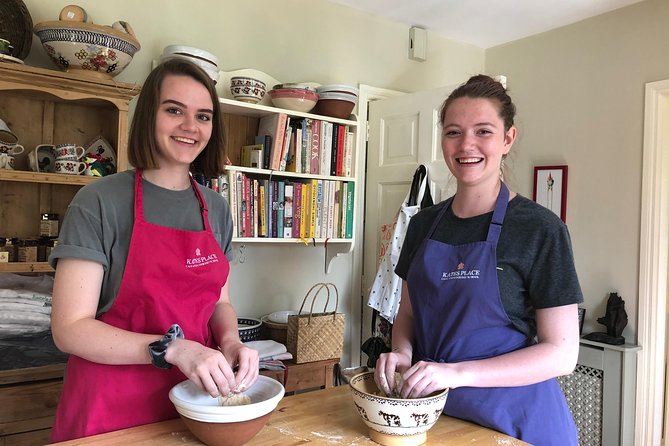
- Bake in Kate Wright’s own kitchen: This is a hands-on class, not a sit-and-watch demonstration.
- Make two Irish staples: You prepare seasonal fruit scones and spelt or brown bread.
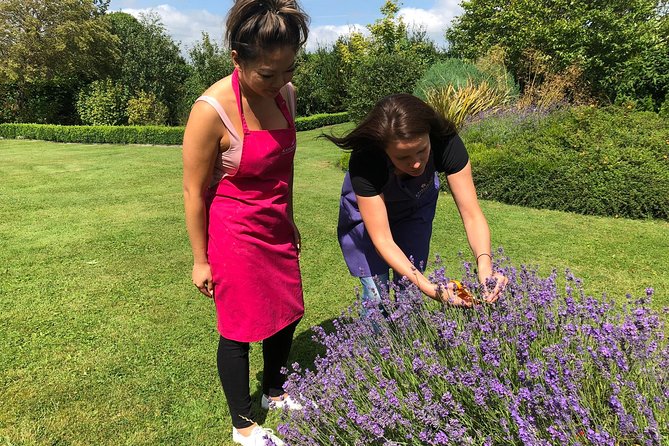
- Use local touches: Lavender, berries, raisins, and other fruit may appear in the scones, depending on the season.
- Eat the results fresh: Tea or coffee, Irish butter, jam, and marmalade turn the finished baking into a proper break.
- Take the class home with you: Printed recipes help you repeat the scones and bread in your own kitchen.
- Plan the journey carefully: The address is in Kilcolgan, and a taxi may cost about €40 each way from Galway.
What happens in Kate’s kitchen
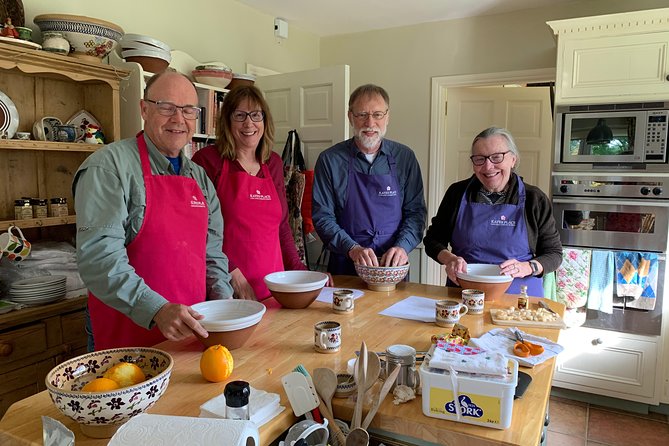
This two-hour experience begins at 4 Roevehagh in Kilcolgan, County Galway. Kate has the ingredients and utensils ready, so you can get started without shopping, measuring a long list of items, or bringing special equipment.
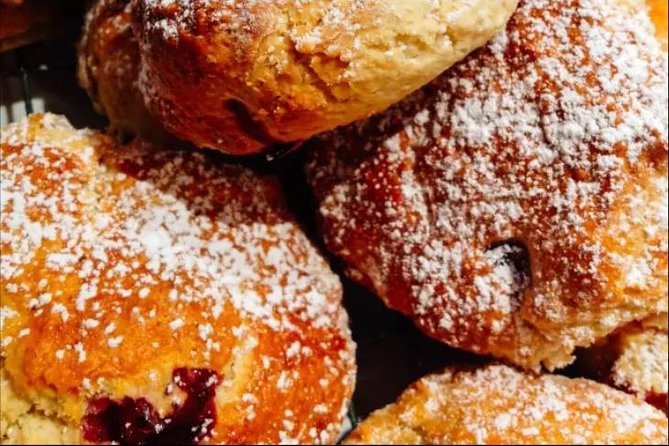
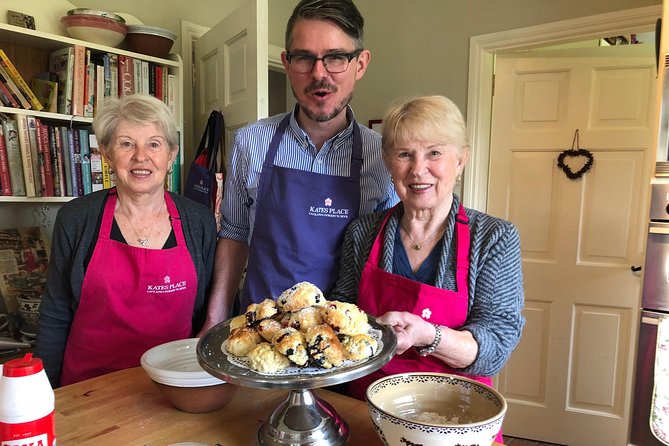
The class centers on two types of baking. You make fruit scones, with possible additions such as lavender, raisins, berries, orange, or blueberries. The exact choice depends on the season and what is available.
You also prepare Irish bread, with spelt or brown bread among the options. These are useful recipes for a visitor who wants more than a one-time holiday activity. They are the kind of everyday bakes you can try again at home, using the printed recipes as a guide.
Kate’s approach is hands-on from the first step. You handle the ingredients and learn how the dough should feel as you work it. Kneading is part of the process, which matters because bread texture often depends as much on touch as on exact measurements.
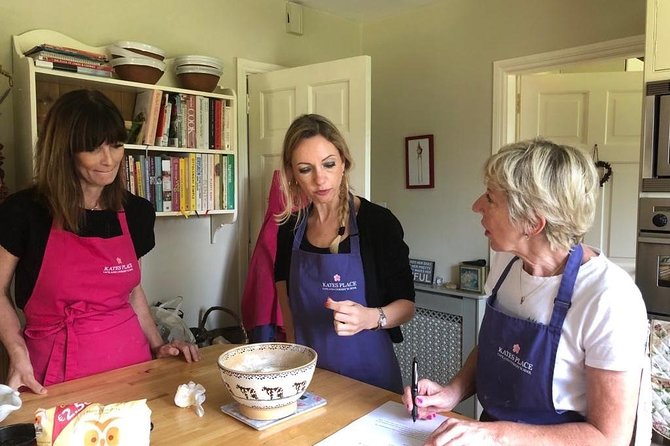
That practical attention is one of the strongest reasons to choose this class. A recipe can tell you how much flour to add, but it cannot always explain when dough has reached the right consistency. Kate fills in those gaps with tips from her years in the food industry.
The tone is relaxed and social. Kate is known for a quick wit and plenty of conversation, so you should expect an informal class with laughter mixed into the instruction. If you enjoy meeting people while cooking, the small private-group format gives the afternoon a friendly feel.
The activity is listed as private, meaning only your group participates. That gives you more room to ask questions and work at your own pace than you would get in a large commercial class. It also makes the experience a good choice for families or friends who want to spend a few quiet hours together.
A few more Galway half-days to weigh up
- Galway to Cliffs of Moher, Aillwee Cave & Dunguaire Castle Tour
★ 5.0 · 3,058 reviews - From Galway: Full-Day Cliffs of Moher & Burren Guided Tour
★ 4.8 · 2,815 reviews - Galway to Inisheer Aran Islands, Cliffs of Moher and Boat Trip
★ 5.0 · 2,517 reviews
Scones with seasonal Irish flavor
Scones are the first baked item, and this is where the class can change with the time of year. Lavender adds a floral note, while berries bring sweetness and color. Raisins give you a more familiar traditional flavor.
The ingredients are supplied, and you use the provided utensils. You do not need to bring baking equipment. Your task is to take part in the mixing and shaping, rather than simply waiting for the oven to do the work.
You might make different flavors within the same group. One person could choose orange while another uses blueberry, as the class allows room for personal choices when the ingredients permit. That small variation makes the baking feel less like a fixed recipe and more like a lesson you can adapt later.
Fresh scones are also a good introduction to the difference between homemade and packaged baking. They are best eaten soon after they come from the oven, when the texture is tender and the outside has a light crust.
Do not expect a pastry-school course with complicated decoration or technical showpieces. The appeal here is the everyday Irish scone, made by hand and served warm. I like that focus. You leave with a recipe you are likely to use, rather than a difficult project that looks impressive but never gets repeated.
Brown or spelt bread, made by hand
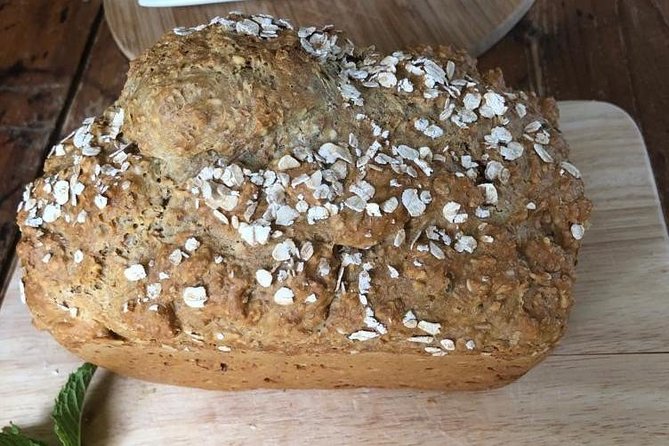
The second part of the class is the bread. Depending on the session, you may make brown bread or spelt bread. Both fit well with the straightforward style of the experience: simple ingredients, useful technique, and a result you can eat soon afterward.
Kneading gives you a better sense of the bread than a demonstration would. You can feel how the mixture changes as it comes together, and Kate can correct your technique as you work. Her advice about ingredients is also part of the lesson, with the right flour and proportions playing a key role in the final loaf.
Brown bread is closely associated with everyday Irish cooking, so this is a chance to learn something more grounded than a showy restaurant dish. It is also a good match for butter, jam, and tea, which is how the finished baking is served.
The bread may not be ready at exactly the same moment as the scones. Baking times and oven space can affect the rhythm of the class, so the experience is better approached as a relaxed kitchen session than a tightly timed production.
You may have extra bread and scones to take with you. That is useful if you are staying in self-catering accommodation or want a snack for the next day. Just remember that the class is only about two hours, so the amount you take home depends on the group and the baking session.
Tea, jam, and the best part of the afternoon
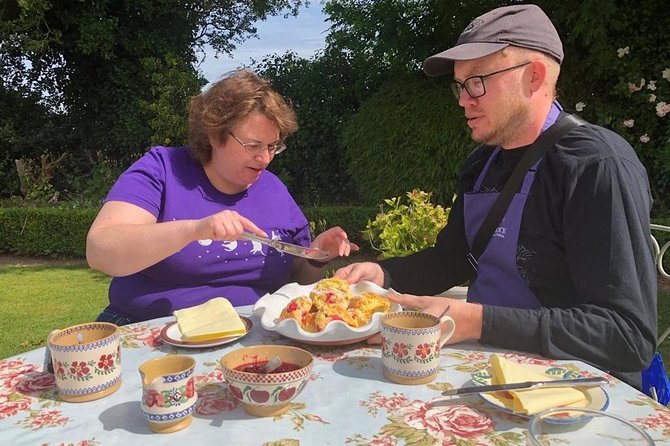
Once the baking is done, Kate serves the results with tea or coffee. Irish butter, jams, and marmalade add the finishing touches. The food is not an optional extra tacked onto the end. Eating what you made is the natural payoff for the work in the kitchen.
The setting can be just as memorable as the food. The sunroom is used for serving, and in good weather you might sit outside in the garden. The garden has been described as carefully tended, with plants such as lettuce and lavender growing there.
Homemade and specialty jams may also be available to buy. Flavors mentioned include apricot, strawberry, red onion and chili pepper, gin and tonic, and rhubarb and ginger. Availability can change, so treat these as possible choices rather than a guaranteed menu.
I especially like this part because it slows the experience down. You are not rushed out as soon as the oven is empty. Instead, you sit with the people in your group, talk with Kate, and enjoy the food in a comfortable home setting.
Kate’s partner John and their dog Coco may also be around. Coco is a recurring part of the warm household atmosphere, but you should keep in mind that this is a private home rather than a purpose-built classroom. If anyone in your party has allergies or discomfort around dogs, ask about the home environment before booking.
A different sort of day from the same base:
- From Galway: Aran Islands and Cliffs of Moher Tour & Cruise
★ 4.8 · 2,283 reviews - Cliffs of Moher & the Burren Tour from Galway
★ 5.0 · 1,913 reviews - From Galway: Cliffs of Moher and The Burren Guided Day Trip
★ 4.7 · 1,770 reviews - From Galway: Connemara and Cong Full-Day Tour
★ 4.7 · 1,737 reviews
The location outside Galway city
The class meets at 4 Roevehagh, Kilcolgan, County Galway, H91 RHH9. The activity information also describes the setting as Oranmore, Galway, so check the exact map pin and address when planning your route. The meeting point and end point are the same.
If you drive from Galway city toward Kilcolgan village, the supplied directions point you past O’Donoghues Bar. You take the first left, continue for a couple of kilometers to a T junction, turn left, and then take the first right after crossing the bridge. Kate’s home is the last house in the estate, marked by a purple door.
That purple door is a useful landmark, but do not rely on a rushed arrival. Some map services may not make the final approach clear, particularly if you are unfamiliar with Irish roads. Give yourself extra time and use the full address rather than searching only for the activity name.
A car is the simplest option, especially if you are combining the class with other stops around County Galway. Public transportation is possible, and live bus information is available through Bus Éireann or Expressway, but you need to check the timetable carefully for the date and time of your session.
A taxi from Galway can cost roughly €40 each way. That can make the $90.74 price look less attractive for one person traveling alone, but a taxi split between several people changes the calculation. Kate also offers pickup and drop-off service for people arriving or leaving by bus, so contact her before assuming you must arrange every part of the journey yourself.
Is the $90.74 price good value?
At $90.74 per person, this is not the cheapest way to spend two hours in Galway. You are paying for more than flour and tea, though. The fee includes the ingredients, use of utensils, instruction, the meal of fresh baking, and printed recipes to take home.
You are also paying for a small private setting and direct time with Kate. Her background in the food industry gives the class a practical edge, especially when she explains ingredient choices and dough handling. For someone who wants to learn techniques rather than collect a quick snack, that personal instruction adds value.
The price makes more sense for people who enjoy food-based activities and want a personal connection to the area. It is less suited to someone who only wants to sample an Irish scone and move on. You could buy a scone in a café for far less, but you would not get the recipes, the baking practice, or the time in a local home.
Transport is the big extra cost. If you need a taxi from Galway and are traveling alone, the total can rise quickly. If you have a car, share a taxi, or arrange the pickup service, the value improves.
Who will enjoy this class most?
I would choose this experience for couples, families, friends, and solo visitors who like a social activity. The private format works well for a small group, and the class has enough conversation to make solo participation comfortable.
It is also a good fit if you want a break from castles, museums, and organized sightseeing. Baking gives you something to do with your hands, and the final meal provides a pleasant pause in the day.
The class suits different skill levels because Kate guides you through each stage. You do not need to arrive as an experienced baker. At the same time, people who already bake can pick up useful tips about Irish bread, flour, and scone texture.
This may not be right for you if you want a large professional kitchen, a formal chef-led lesson, or an extensive multi-course meal. The menu is focused: scones and bread, followed by tea or coffee. The setting is personal and home-based, which is exactly the attraction for some people and a limitation for others.
The experience is offered in English. Service animals are allowed, and the location is near public transportation. Confirmation is provided when you book, but transport questions are worth settling early, especially if you are not driving.
Timing your booking and cancellation
The class lasts approximately two hours and is often booked well ahead, around 55 days in advance on average. If you have a fixed Galway itinerary, reserve early rather than waiting until you arrive.
You can cancel for a full refund up to 24 hours before the local start time. Cancellations or changes made less than 24 hours before the experience are not refunded or accepted. That is a reasonable policy, but it makes accurate transport planning important.
Try to arrive on time. Kate has been accommodating when someone was delayed, but late arrival can shorten your hands-on time and disrupt the baking schedule. If a bus or taxi problem develops, contact her as soon as possible.
Should you book Traditional Irish Homemade Baking Scones and Bread?
Book it if you want a personal Irish food experience rather than a standard sightseeing stop. Kate’s kitchen, garden, sunroom, dog Coco, fresh baking, and easy conversation create a setting that feels connected to daily life in Ireland.
The strongest reasons to go are the hands-on instruction, the useful recipes, and the chance to eat warm scones and bread that you made yourself. The main question is transport. If you are ready to make the trip to Kilcolgan, the two hours offer good value for a food-loving visitor.
I would skip it only if your schedule is too tight for the journey, or if you want a restaurant-style cooking school with a broad menu. For everyone else, especially anyone who plans to bake at home after the holiday, this is a delicious and practical choice near Galway.
FAQ
Where does the baking class take place?
The class takes place at 4 Roevehagh, Kilcolgan, County Galway, Ireland, H91 RHH9. The activity ends back at the same meeting point.
How long does the experience last?
The baking session lasts approximately two hours.
What will I bake?
You will bake seasonal fruit scones, which may include lavender, raisins, or berries, along with spelt or brown bread.
Are ingredients and utensils included?
Yes. The experience includes all ingredients and the use of utensils.
Do I receive recipes to take home?
Yes. Printed recipes are provided after the class so you can make the scones and bread again.
Is food and drink served after baking?
Yes. You can eat the scones and bread you make, with tea or coffee. Irish butter, jams, and marmalade may also be served.
How do I get to the meeting point from Galway?
You can drive, use public transportation, or take a taxi. Live bus timetable information is available through Bus Éireann or Expressway. A taxi from Galway may cost about €40 each way, and pickup or drop-off service may be available through Kate.
Recently added around Galway
- Sean’s Bar, Athlone Castle and Clonmacnoise Monastery★ 4.5 · 3 reviews
- Ferry ticket – Day return ticket to Inishbofin Island from Cleggan. Self Guided.★ 5.0 · 3 reviews
- Connemara/Galway: Inis Meáin Return Ferry Transfer★ 4.7 · 3 reviews
- Galway: Medieval Galway Tour★ 4.7 · 3 reviews
- Galway: HerGalway Walking Tour★ 5.0 · 3 reviews
- From Galway: Cliffs of Moher and The Burren Tour★ 5.0 · 3 reviews
- Galway’s Historical Gems: A Walk Through Time★ 5.0 · 3 reviews
- Galway Tasting and Walking Tour★ 5.0 · 3 reviews
Galway Tours, compared.

Galway to Cliffs of Moher, Aillwee Cave & Dunguaire Castle Tour
Read our review →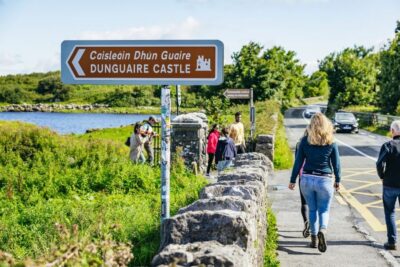
Full-Day Cliffs of Moher & Burren Guided Tour
Read our review →
Galway to Inisheer Aran Islands, Cliffs of Moher and Boat Trip
Read our review →
Aran Islands and Cliffs of Moher Tour & Cruise
Read our review →
Cliffs of Moher & the Burren Tour from Galway
Read our review →
Cliffs of Moher and The Burren Guided Day Trip
Read our review →

Galway to Aran Islands Inisheer, Doolin, Cliffs of Moher Day Tour
Read our review →Browse the lists this tour appears in