Reviewed · DUBLIN TOURS
Windmill Lane Recording Studios – Visitor Experience
The best part of Windmill Lane is that you do not just look at a recording studio through a doorway. You get a back-stage look at a working music space, then take part in the process by mixing your own session. I like the clear blend of music history and hands-on fun, and I like that guides such as Maria and Ross can explain both the stories and the technical side.
The main thing to consider is its location. At 20 Ringsend Road, Dublin 4, it is outside the usual central sightseeing route, though it is described as an easy 20 to 30 minute walk from Trinity College. The studio is also a working business, so you need to book ahead and keep your visit time fixed.
Key points to know before booking
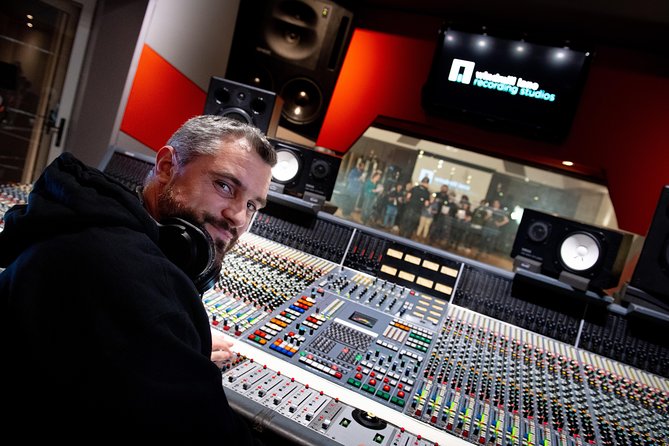
- A real working studio: You tour an active recording facility rather than a recreated museum display.
- Your own mixing session: The interactive part lets you feel how separate sounds become a finished track.
- Three studios to see: The visit includes access to the studio spaces, including the famous Studio 1.
- Music history with practical detail: Hear about artists who recorded here and how recording methods have changed.
- Small groups help: The maximum group size is 15, making it easier to see equipment and ask questions.
- Short and easy to fit in: The visit lasts about one hour and returns you to the starting point.
Why Windmill Lane feels different from a standard Dublin tour
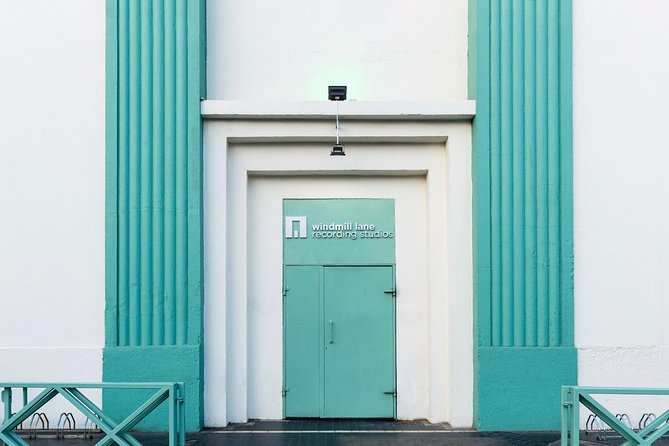
Dublin has plenty of music stories, but Windmill Lane gives you a physical place connected to the work. You are not simply hearing that important albums were made in Ireland. You are standing among recording rooms, mixing equipment, and the tools used to shape those sounds.
That difference matters. A music museum can show you photographs and memorabilia. Here, the central subject is the recording process itself. You learn how a session is put together, how sound can be altered, and how an engineer works with musicians and technology.
I especially like that the tour does not depend only on your knowledge of bands. The experience is designed to work for dedicated music fans, curious first-time visitors, and families with different levels of interest. You can focus on famous artists, studio design, sound, or the practical job of mixing.
The tone also seems to depend a good deal on the guide. Maria is described as a composer and engineer, while Ross has been praised for his enthusiasm. Naomi, one of the owners, has also led visits. Guide assignments can change, but the important point is that the tour may be led by someone who works in music rather than by a scripted museum presenter.
A few more Dublin half-days to weigh up
- Dublin to Cliffs of Moher, including Wild Atlantic Way and Galway
★ 5.0 · 23,331 reviews - From Dublin: Cliffs of Moher, Burren & Galway City Day Tour
★ 4.8 · 18,888 reviews - Dublin: Guinness Storehouse Entry Ticket
★ 4.6 · 16,863 reviews
Getting to 20 Ringsend Road
The meeting point is Windmill Lane Recording Studios, 20 Ringsend Road, Dublin 4, postal code D04 CF66. The activity begins and ends there, so you do not need to arrange a separate return transfer.
From the Trinity College area, allow roughly 20 to 30 minutes on foot. That walk takes you away from the busiest central streets and gives you a look at a less tourist-focused part of Dublin. If you are planning a full day around central attractions, put the studio visit next to activities in the southeast part of the city rather than treating it as a quick stop between places on the north side.
The location is not a reason to skip the tour, but it does affect your schedule. You should arrive with enough time to find the building and be ready for your booked start. Since the studio is active, an advance reservation is essential.
A mobile ticket is provided, and the tour is offered in English. Public transportation is nearby. The experience is suitable for people with a moderate level of physical fitness, and service animals are allowed.
Entering a working recording studio
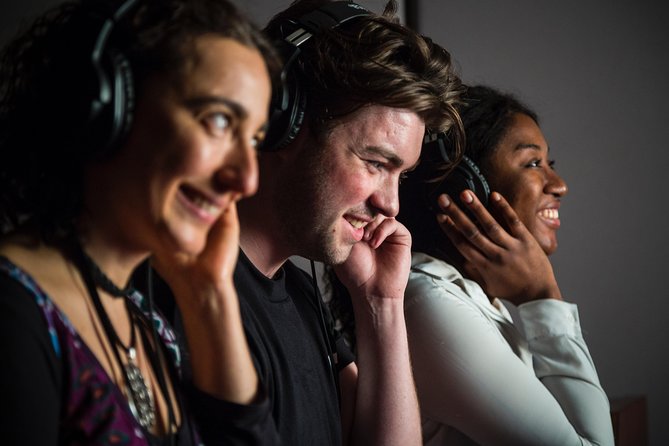
The tour begins with an introduction to the building and its role in Dublin’s music scene. You then move through the studio areas and hear about the artists who have recorded there.
The setting is the attraction. You may see equipment and rooms that are still part of professional recording work, so this is not a free-moving visit where you wander wherever you like. The group stays with the guide, and access is shaped by studio activity on the day.
That working status gives the tour some useful limits. A museum can promise every room at every visit. A functioning studio has to protect recording sessions and staff time. In return, you get a more authentic look at how the place operates.
The visit includes three studios, with particular attention given to Studio 1. The mixing board is large enough to be memorable even if you cannot tell a compressor from a microphone preamp. For music fans, the Neve analog console is one of the key sights. For everyone else, it provides a useful reminder that recorded music is made through physical tools as well as computer software.
The story behind the famous rooms

Windmill Lane’s appeal rests partly on the artists associated with it. The guide tells stories about musicians and the work made inside the studios, including major rock acts. Specific anecdotes help turn the rooms into places with a past rather than anonymous production spaces.
The tour has also included stories about very recent use of the studio. One visit took place only a short time after Bruce Springsteen had worked in the same studio. Details like that make the connection feel current, not frozen in a golden age of recording.
You should not expect a complete survey of every artist who has ever used Windmill Lane in one hour. The guide has to balance names, anecdotes, equipment, and demonstrations. Still, the format gives you enough context to understand why the studios matter.
I would rate the storytelling as one of the strongest reasons to book if you enjoy rock music. You get the human side of recording, including the famous names, the staff who helped shape the sound, and the less visible work behind an album.
A different sort of day from the same base:
- Dublin to Cliffs of Moher, Burren, Wild Atlantic Way, Galway Tour
★ 5.0 · 12,924 reviews - Dublin to Belfast Black Cab, Dunluce Castle and Giant’s Causeway
★ 5.0 · 7,954 reviews - Kilkenny, Wicklow Mountains & Glendalough Day Tour from Dublin
★ 5.0 · 7,897 reviews - From Dublin: Wicklow Mountains, Glendalough & Kilkenny Tour
★ 4.8 · 6,235 reviews
Seeing how a recording session works

The tour explains the stages of a recording session and shows how sound is handled. This is where the experience becomes useful for someone who likes music but has never entered a studio.
You learn that a finished track is built from separate elements. Voices, instruments, effects, and other sounds can be adjusted and combined. The guide uses the studio equipment and demonstrations to show how those choices affect what you hear.
A sound demonstration is included, showing what sound can do to you. The exact demonstration may vary, but the purpose is clear: to make an invisible subject easier to understand. Sound is normally something you hear without seeing. In a studio, the guide can connect what your ears notice with the equipment and decisions behind it.
This section should suit teenagers and adults who want more than celebrity stories. It also gives non-musicians a way into the subject. You do not need to read music or know recording software to follow the basic ideas.
If your main interest is a long technical workshop, one hour may feel brief. The tour introduces the process rather than training you to operate a studio. That is a fair trade for a compact visit that also includes history and interactive features.
Meeting the virtual band and mixing your own session
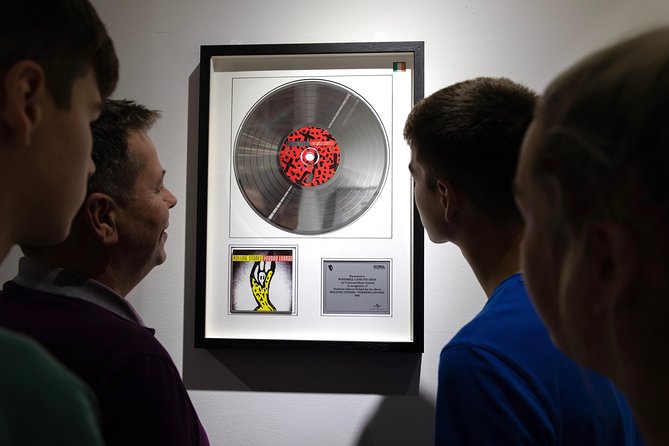
The most playful part is the virtual band. This feature helps show how separate performers and sounds can be brought together in a finished piece.
You also get to mix your own session. That turns you from an observer into a temporary producer. You can hear how changing levels or combining parts alters the result, which makes the recording process easier to remember than a talk alone.
I like this element because it does not demand that you be an expert. It gives the technically curious something to work with while letting casual visitors enjoy the novelty of making choices in a professional setting.
The hands-on part is also a good reason to include children or mixed-age groups, provided everyone can follow the guide and the group format. The maximum group size is 15, so there should be a reasonable chance to see what is happening. Still, this is a shared activity, not a private studio booking. Your time at the controls will be part of the group experience.
Who will get the most from the hour
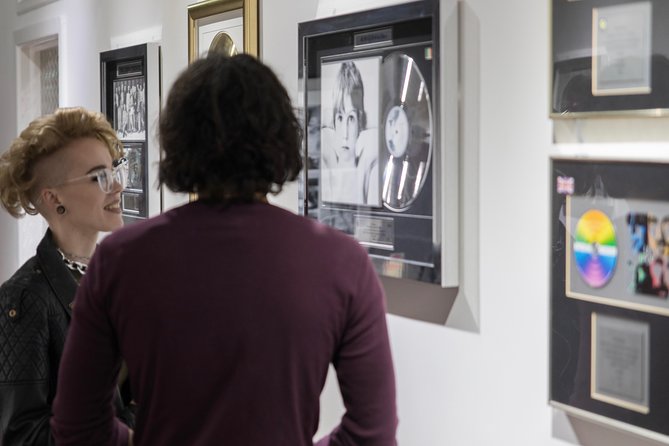
Music fans are the obvious audience. If you follow rock, recording, Irish music, or studio technology, the combination of famous names, historic rooms, and equipment gives you plenty to enjoy.
Musicians and producers may get the most technical value. The Neve analog board, studio layout, recording tools, and mixing demonstration provide details that a general sightseeing tour cannot offer. A guide with professional experience, such as Maria, may also be able to answer more specific questions.
You do not need to be a music obsessive, though. The interactive format gives casual visitors a reason to stay engaged. I would consider it a good choice for a couple where one person loves music and the other is simply curious about how records are made.
It can also work well for a parent and older child. One person can follow the artist stories while another focuses on sound and equipment. The tour is short enough that it does not consume half a day.
This may not be the best choice if your Dublin plans are already packed with central attractions and you do not want to make the walk to Ringsend Road. It is also less suitable for someone seeking a broad overview of Dublin’s entire music scene. Windmill Lane is focused on one studio and the work made there.
Is $31.44 good value?

At $31.44 per person, this is not the cheapest short attraction in Dublin. You are paying for access to a working professional studio, a guided visit, specialist equipment, music stories, demonstrations, and an interactive mixing session.
The value improves if you would otherwise spend money on several music-related attractions. Windmill Lane combines several types of experience in one hour: local cultural history, celebrity connections, technical explanation, and participation.
The one-hour length also makes the price easier to assess. You are not buying an all-day outing, but you can fit it into a larger Dublin itinerary without losing most of your afternoon. If the tour helps you understand how recorded music is made, the hands-on section gives it more substance than a simple room-and-photo visit.
For a dedicated music fan, I think the price is reasonable. For a casual sightseer, I would book it because of the interactive features, not only because famous artists have recorded there. The value depends on whether you want an experience rather than another display of Dublin landmarks.
Booking, group size, and cancellation
The experience is frequently booked well ahead, with an average booking time of about 33 days in advance. That is a useful warning for a working studio with limited daily capacity. The maximum group size is 15, so popular times can fill up.
Book the day and time that fit your Dublin plans, then allow time for the walk from central Dublin. Confirmation is received at booking, and you can use a mobile ticket.
Free cancellation is available up to 24 hours before the experience start time for a full refund. Cancellations or changes made less than 24 hours before the start are not accepted for a refund, and the cut-off follows local Dublin time.
Should you book Windmill Lane?
I would book this if you want a Dublin experience connected to real creative work rather than another large attraction. The strongest reasons are the chance to enter a working studio, see the famous equipment, hear specific stories, and mix part of a session yourself.
Music fans should reserve early, especially if they want a particular day. Non-musicians should book if the virtual band and sound demonstrations appeal to them. If you dislike technical subjects or want to stay close to central Dublin all day, choose another activity.
For most people who can spare an hour and make the trip to Ringsend Road, Windmill Lane offers a focused, unusual stop with genuine Dublin music character. It is short, practical, and hands-on, with enough history to give the visit weight.
FAQ
Where does the Windmill Lane Recording Studios tour begin?
It begins at Windmill Lane Recording Studios, 20 Ringsend Road, Dublin 4, D04 CF66, Ireland.
Where does the tour end?
The activity ends back at the same meeting point, Windmill Lane Recording Studios.
How long does the experience last?
The tour lasts approximately one hour.
How much does the experience cost?
The listed price is $31.44 per person.
Is the tour offered in English?
Yes. The experience is offered in English.
Do I need to book in advance?
Yes. Windmill Lane is a working recording studio, so advance booking is essential. Booking ahead also helps guarantee your chosen day and time.
How large is the tour group?
The maximum group size is 15 people.
Can I cancel for a refund?
Yes. You can cancel up to 24 hours before the start time for a full refund. Cancellations and changes made less than 24 hours before the start are not accepted for a refund.
Recently added around Dublin
- Dublin: Pub Tour. Pour The Perfect Guinness, Whiskey & Music★ 5.0 · 3 reviews
- Waterford Crystal and Kilkenny Full-Day Rail Tour from Dublin★ 5.0 · 3 reviews
- Cliffs of Moher and The Burren Private Tour from Dublin★ 5.0 · 3 reviews
- Private Chauffeur Service From Dublin Airport to Killarney★ 5.0 · 3 reviews
- Beautiful Southwest Tour 2022★ 5.0 · 3 reviews
- A Self Guided Walking Tour of Dublin’s Docklands★ 4.5 · 3 reviews
- Dublin One Day Tour with a Local: 100% Personalized & Private★ 4.5 · 3 reviews
- Ireland: 3-Day West Coast Explorer Tour★ 5.0 · 3 reviews
Dublin Tours, compared.

Dublin to Cliffs of Moher, including Wild Atlantic Way and Galway
Read our review →
Cliffs of Moher, Burren & Galway City Day Tour
Read our review →

Dublin to Belfast Black Cab, Dunluce Castle and Giant’s Causeway
Read our review →
Kilkenny, Wicklow Mountains & Glendalough Day Tour from Dublin
Read our review →
Wicklow Mountains, Glendalough & Kilkenny Tour
Read our review →