
Reviewed · DUBLIN TOURS
1916 Rebellion Walking Tour
The most memorable part of this Dublin walk is the way ordinary streets become evidence. Bullet holes still mark Daniel O’Connell’s monument, the GPO recalls Patrick Pearse reading the Proclamation, and bridges over the Liffey open the story of the Four Courts. The 1916 Rising feels much less abstract when you can see where people took their positions.
I like the clear opening lesson, which begins with the Great Hunger and leads into the political forces behind the rebellion. I also like the guides’ personal delivery: Lorcan Collins has led the tour since 1996, while guides such as Phelim, Liz, Donal, Phil, and Elaina bring their own stories, humor, poetry, and songs. The main caution is timing: the tour is advertised at about two hours, but a large group and many questions can stretch it closer to three.
Key points at a glance

- Start with context at the International Bar: You get a short explanation of Ireland’s road from the famine of the 1840s to the Rising, before setting out.
- See the GPO as the central chapter: The former headquarters of the rebels is given the longest stop, with the Proclamation and Easter Week at the heart of the discussion.
- Connect 1916 with 1922: City Hall, Dublin Castle, and the Four Courts help explain both the Rising and the later Civil War.
- Expect a guide-led performance: Depending on your guide, the walk may include poetry, rebel songs, humor, and lively question-and-answer time.
- Plan for a substantial city walk: The route varies, the group can reach 30 people, and the advertised two hours may run longer.
- Good value for history-minded visitors: At $27.81, the price buys about two hours of guided interpretation across several major Dublin landmarks.
Why the streets matter more than a classroom
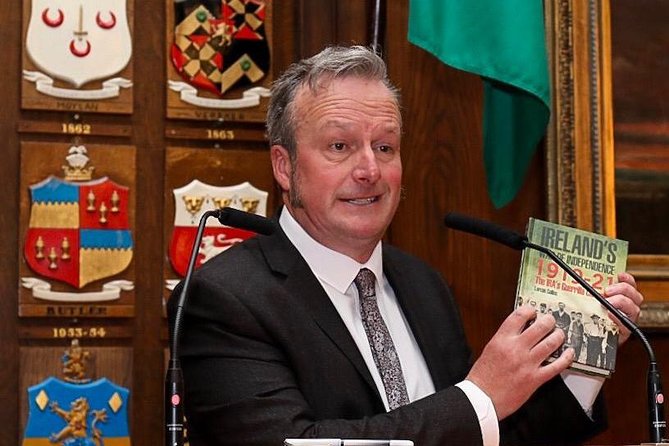
The 1916 Rebellion Walking Tour is not simply a list of dates and dead leaders. It is a moving lesson in how political ideas, working-class unrest, military planning, and British rule met on Dublin’s streets during Easter Week 1916.
That makes the tour useful even if you know little about Irish history. The guide starts before 1916, explaining the Great Hunger of the 1840s and the long anger that followed. From there, the story moves toward the revolutionary period and the Rising itself.
I appreciate that approach. Without the earlier background, the occupation of the GPO can seem like a sudden act of rebellion. With it, you get a clearer sense of why a small group was willing to take on a far stronger government, and why the failed Rising later became such a powerful part of Irish national identity.
The tone is serious, but not stiff. Guides are encouraged to tell small stories, answer questions, and connect buildings with individual people. Some, including Phelim and Phil, use poetry or sing old rebel songs. That performance element will appeal to you if you like history presented as a living story rather than a lecture.
More Walking Tours in Dublin
- Dublin Highlights and Hidden Gems Guided Walking Tour
★ 5.0 · 6,020 reviews - Dublin: Highlights and Hidden Gems Walking Tour
★ 4.9 · 2,140 reviews - 90 Minute Dublin Walking tour and Sightseeing tips
★ 5.0 · 916 reviews
Beginning at the International Bar on Wicklow Street
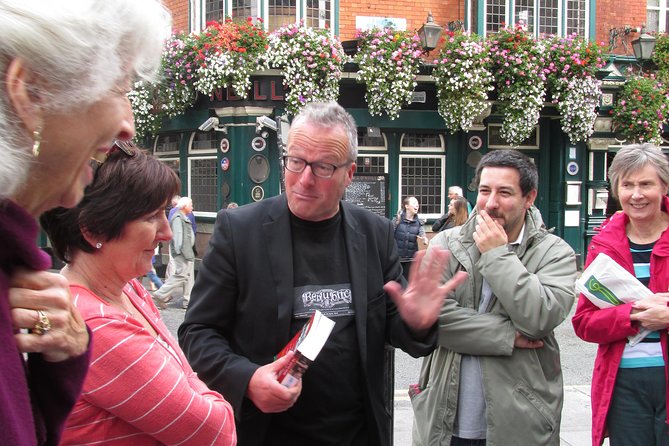
The meeting point is the International Bar at 23 Wicklow Street, in central Dublin. The pub is more than a place to gather. It gives the tour a relaxed beginning and a chance to settle into the subject before the walk starts.
You can arrive early, buy a drink, and read the introductory material supplied by the guide. Alcohol is not included in the ticket, but it is available to purchase. That is a small detail, yet it helps explain the character of the experience: this is a history walk with a pub-based Dublin welcome, not a formal museum tour.
The introduction covers the build-up to the revolution and gives you time to ask questions. It also helps the guide gauge the group’s interests. If you arrive with little knowledge of the Easter Rising, this is where the basic names and events begin to fall into place.
Lorcan Collins has been running the 1916 Tour since 1996, and his long connection with the subject shapes the experience. Other guides have included Liz, Phelim, Donal, Phil, Adam, Elaina, and Fallon. Their approaches differ, but the strongest common thread is clear speech, strong subject knowledge, and obvious commitment to the story.
The opening may run longer than expected if the group asks questions. That is usually useful, but it is one reason not to schedule a tight appointment immediately after the walk.
City Hall and the Irish Citizen Army
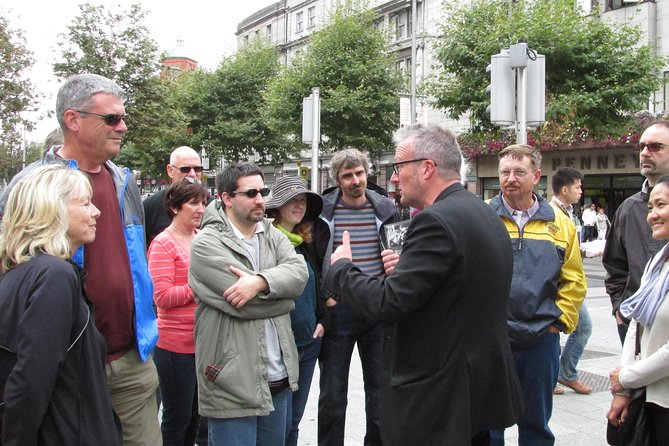
City Hall is an important early stop because it brings the Irish Citizen Army into the story. The building was occupied during the 1916 Rising, and the guide explains the role of this group during Easter Week.
This is a helpful counterweight to a version of the Rising focused only on the best-known nationalist leaders. The Irish Citizen Army had strong links to Dublin’s working population, and the discussion leads naturally toward James Connolly and the labor movement.
The stop is brief, around 15 minutes, but it gives the rebellion a social dimension. You begin to see that 1916 was not only about national independence. It was also tied to questions of class, workers’ rights, and the kind of country the rebels hoped to create.
Dublin Castle and the machinery of British rule
Dublin Castle represents the authority the rebels challenged. For centuries, it served as the center of British administration in Ireland, so its role in the Rising and the later War of Independence is central to understanding the conflict.
The guide explains how the castle fit into the political structure of the time and why it mattered to the revolutionaries. The stop also connects with popular culture, since many people recognize Dublin Castle from the film Michael Collins.
I find this stop useful because it shifts the focus from the rebels to the government they opposed. The Rising took place in a city where British administration was visible and established. Seeing the castle helps you understand that the rebellion was aimed at a whole system of control, not just one building.
You should expect exterior discussion rather than a long indoor visit. The value here is the explanation of the site’s political role and its place in the wider story.
A different sort of day from the same base:
- Dublin to Cliffs of Moher, including Wild Atlantic Way and Galway
★ 5.0 · 23,331 reviews - From Dublin: Cliffs of Moher, Burren & Galway City Day Tour
★ 4.8 · 18,888 reviews - Dublin: Guinness Storehouse Entry Ticket
★ 4.6 · 16,863 reviews - Dublin to Cliffs of Moher, Burren, Wild Atlantic Way, Galway Tour
★ 5.0 · 12,924 reviews
The Four Courts from the River Liffey
The Four Courts adds another layer to the tour. It was occupied by revolutionaries in 1916 and became a major flashpoint again in the run-up to the Irish Civil War in 1922.
The building is usually best viewed from a bridge over the River Liffey rather than reached directly. From there, the guide explains what happened in 1916, then outlines the difficult split that led to the Civil War.
This part may be especially useful if you know the Rising but have never understood what came after it. The path from rebellion to independence was not clean or united. Arguments over the Anglo-Irish Treaty divided former allies, and the Four Courts became tied to that painful conflict.
The stop lasts about 15 minutes, so the explanation is necessarily brisk. If you want a full study of the Civil War, you will need another source. As part of a city walk, though, it gives you the essential connection between the events of 1916 and the fighting of 1922.
O’Connell’s monument and the marks of Easter Week
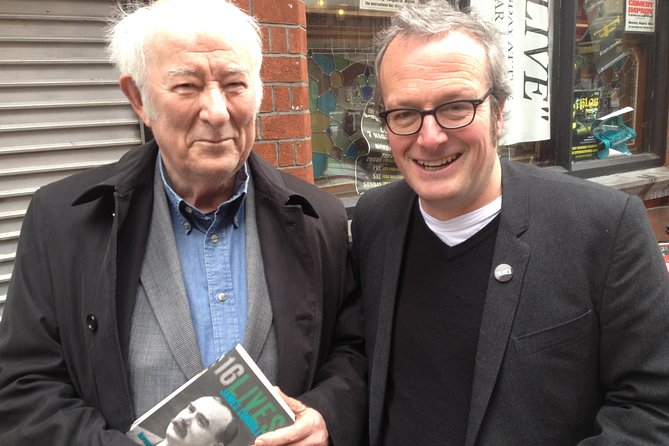
Daniel O’Connell’s monument on O’Connell Street offers one of the walk’s most direct physical reminders of the Rising. The guide points out bullet holes in the statue and explains the positions held by British forces and Irish rebels in 1916.
This is the sort of detail that makes a walking tour worthwhile. A book can tell you that fighting took place in Dublin, but a damaged monument gives the violence a visible edge. You can look closely at the stone and imagine the street as a contested military position rather than the busy city avenue you see today.
The guide also places O’Connell within the longer movement for Irish political rights. That helps prevent the tour from becoming a narrow story about one week in 1916. The stops form a chain, linking earlier campaigns, labor activism, armed rebellion, independence, and Civil War.
Jim Larkin and the working-class story
At the statue of Jim Larkin, the tour turns again toward labor and social history. Larkin, a union organizer from Liverpool, was a close ally of James Connolly and an important figure in Dublin’s working-class movement.
The guide explains Larkin’s contribution to the revolutionary period and his connection to the city’s workers. This stop helps you understand why Connolly’s role cannot be separated from the labor movement.
I particularly value this part if you want more than a military account. The Rising involved political ideals, but it also grew out of real hardship and sharp divisions in Dublin society. Larkin’s story gives the working class a place in the narrative.
The stop is short, and the statue itself is not a major sightseeing attraction on the scale of the GPO. Its importance comes from the story told there.
The GPO, the heart of the walk
The General Post Office is the key stop and receives about 30 minutes, longer than the other locations. In 1916, it served as the rebels’ headquarters. It was also where P. H. Pearse read the Proclamation of the Irish Republic.
For many people, this is the moment when the tour comes together. The GPO is not just a grand public building. It is the place where the Rising’s political message was made public and where the fighting became a defining national event.
The guide explains the events of Easter Week, the rebel leadership, the building’s military role, and the meaning the GPO holds in Ireland. You will also hear about the human cost and the reasons the Rising changed public opinion after the executions of its leaders.
The strongest guides make this stop feel personal without losing sight of the facts. Donal has been praised for telling the story in a human way, while Phelim and Phil have used songs and poetry to connect the building with Irish memory. That style is not for everyone, but it can make the material easier to remember.
The area can be busy, and a group of up to 30 people may need to gather closely so everyone can hear. Guides who speak clearly and keep an eye on the group make a real difference here.
Moore Street and the rebels’ last stand
Depending on the route and available time, the walk may continue to Moore Street. This is associated with the GPO garrison’s final stand during Easter Week.
Moore Street adds movement to the account. The story is no longer about a declaration made at the GPO, but about retreat, pressure, and the rebels’ last efforts as British forces closed in.
Because the route varies, Moore Street is not guaranteed as a separate stop every time. The same is true of some other locations, including the Old Parliament building and Trinity College. The changing route keeps the tour from becoming mechanical, but you should not treat the itinerary as a fixed checklist.
The Old Parliament and Trinity College
The Bank of Ireland building, often called the Old Parliament, may appear depending on the guide’s route. Its presence offers a broader look at Ireland’s constitutional and political past, while nearby Trinity College adds another important Dublin institution to the setting.
This stop is less directly tied to the GPO action than City Hall or the Four Courts. Its value is in showing the city’s layered political story. Dublin’s streets hold reminders of British rule, Irish parliamentary ambition, rebellion, education, and independence within a short walking distance.
Since the guide varies the route, the emphasis may change from one tour to another. If you have a particular interest in the Old Parliament or Trinity College, ask about the route at the start.
What the guiding style is really like
The guide makes or breaks a history walk, and this experience depends heavily on the person leading your group. Lorcan Collins is the best-known name connected with the tour, but the guiding team has also included Liz, Phelim, Donal, Phil, Adam, Elaina, and Fallon.
Across the strongest accounts of the experience, the valued qualities are clear speech, confidence, humor, and a willingness to answer questions. The best guides do not simply recite facts. They connect people, places, and consequences.
You may hear poetry or a few rebel songs. You may get a joke at the right moment, followed by a sober explanation of executions or civilian suffering. That mix can work well, especially for a subject that risks becoming a string of names and dates.
Elaina has placed particular emphasis on women’s roles in Irish social history, which is a welcome reminder that the revolutionary story includes more than the familiar male leaders. If that subject matters to you, ask questions during the introduction.
The group size can reach 30. That is manageable, but it is not intimate. A smaller group would make it easier to hear every aside and ask more questions. On a busy day, stay near the guide and speak up if you cannot hear.
Is $27.81 a fair price?
At $27.81 per person, the tour is reasonably priced for a guided history walk lasting around two hours. You are paying for a professional guide, not admission to attractions, since the main sites are viewed from public streets.
The value depends on how much context you want. If you are content to photograph the GPO and read a plaque, you can spend less by walking alone. But a self-guided route will not give you the same links between the famine, labor struggles, the Rising, the War of Independence, and the Civil War.
I see the price as good value for first-time visitors who want a firm grasp of the subject. It is especially useful early in your Dublin stay, since later visits to the GPO, Dublin Castle, or O’Connell Street will make more sense after the walk.
Alcohol costs extra. You can buy a drink at the International Bar before the tour, but it is optional and not part of the ticket.
Who should book this walk?
You should consider it if you enjoy political history, city walks, or stories tied to real places. No prior knowledge is required, yet the tour has enough detail to satisfy people who already know the basic outline of 1916.
It also suits visitors who want to understand Ireland beyond scenic streets and pub culture. The walk covers national identity, British rule, labor, military action, public memory, and the split that led to the Civil War.
Families can attend, but children must be accompanied by an adult. Most people can take part, though you should be comfortable walking through central Dublin and standing for repeated 15-minute discussions.
The tour is offered in English and uses a mobile ticket. It is near public transportation, which makes the Wicklow Street meeting point easy to reach from central Dublin.
Allow extra time after the advertised finish. The official duration is approximately two hours, but one group found the walk lasted three hours, and the listed stop lengths add up to more than two hours before pauses, questions, and route changes. If you have theater tickets, a train, or a timed museum entry, leave a generous gap.
Free cancellation is available if you cancel at least 24 hours before the start time. Changes or cancellations inside that window are not accepted for a refund, and poor weather can lead to a new date or a full refund.
Should you book the 1916 Rebellion Walking Tour?
I would book this tour if you want a serious introduction to modern Irish history delivered on the streets where it happened. The GPO, bullet-marked O’Connell monument, Dublin Castle, and Four Courts give the story a strong physical shape, while the guides add the human details that dates alone cannot provide.
Choose it with the right expectations. This is not a quiet, private walk, and the route is not fixed. A group of up to 30 people may feel large, and the two-hour estimate can be optimistic. Still, the mix of clear history, questions, humor, music, and authentic sites makes $27.81 a sensible use of your Dublin time.
Book it especially if you are curious about the people behind the rebellion, the role of workers and women, or the hard road from 1916 to the Civil War. If you only want a quick photo stop at the GPO, explore on your own instead.
FAQ
Where does the 1916 Rebellion Walking Tour start?
The tour starts at the International Bar, 23 Wicklow Street, Dublin, D02 VH59, Ireland.
Where does the tour end?
The activity ends back at the meeting point.
How long does the tour last?
The stated duration is approximately two hours. The walk can run longer, particularly with a large group and extended questions.
What language is the tour offered in?
The tour is offered in English.
Is alcohol included in the ticket?
No. Alcoholic drinks are available for purchase at the International Bar, but they are not included.
What places does the tour visit?
Typical stops include City Hall, Dublin Castle, the Four Courts, O’Connell’s monument, the Jim Larkin statue, the GPO, and sometimes Moore Street, the Bank of Ireland, and Trinity College. The route varies.
How many people can join the tour?
The maximum group size is 30 people.
What is the cancellation policy?
You can cancel at least 24 hours before the start time for a full refund. Cancellations or changes made less than 24 hours before the start time are not accepted for a refund. If poor weather cancels the tour, you will be offered another date or a full refund.
Recently added around Dublin
- Dublin: Pub Tour. Pour The Perfect Guinness, Whiskey & Music★ 5.0 · 3 reviews
- Waterford Crystal and Kilkenny Full-Day Rail Tour from Dublin★ 5.0 · 3 reviews
- Cliffs of Moher and The Burren Private Tour from Dublin★ 5.0 · 3 reviews
- Private Chauffeur Service From Dublin Airport to Killarney★ 5.0 · 3 reviews
- A Self Guided Walking Tour of Dublin’s Docklands★ 4.5 · 3 reviews
- Beautiful Southwest Tour 2022★ 5.0 · 3 reviews
- Dublin One Day Tour with a Local: 100% Personalized & Private★ 4.5 · 3 reviews
- Ireland: 3-Day West Coast Explorer Tour★ 5.0 · 3 reviews
Dublin Tours, compared.
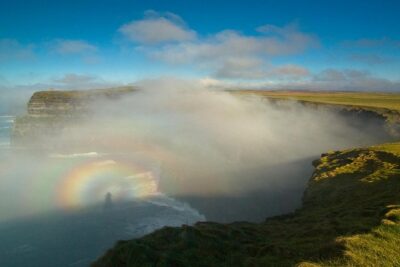
Dublin to Cliffs of Moher, including Wild Atlantic Way and Galway
Read our review →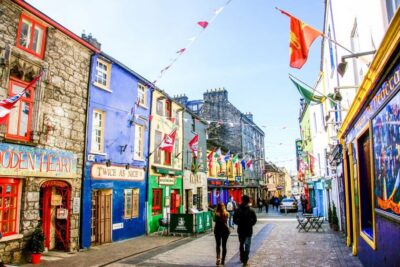
Cliffs of Moher, Burren & Galway City Day Tour
Read our review →
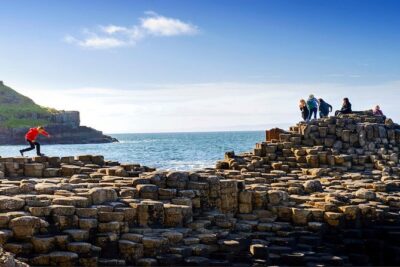
Dublin to Belfast Black Cab, Dunluce Castle and Giant’s Causeway
Read our review →
Kilkenny, Wicklow Mountains & Glendalough Day Tour from Dublin
Read our review →
Wicklow Mountains, Glendalough & Kilkenny Tour
Read our review →
Dublin Highlights and Hidden Gems Guided Walking Tour
Read our review →Browse the lists this tour appears in