
Reviewed · LIMERICK TOURS
General Entry Tickets to Foynes Flying Boat and Maritime Museum
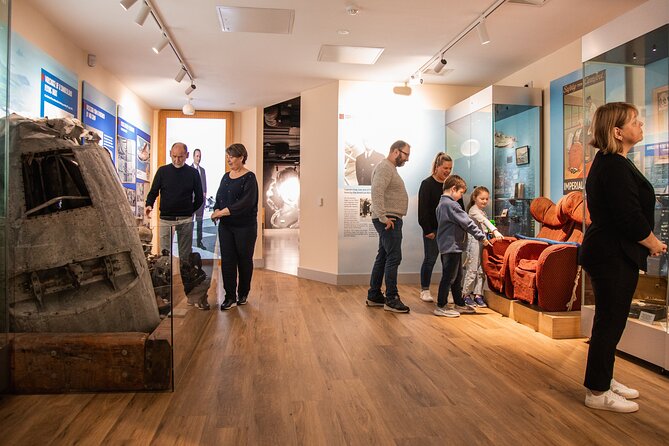
Foynes Flying Boat Museum brings the golden age of Atlantic air travel to life with historic flying boats, wartime stories, and old-style ocean-liner luxury. You can step aboard the world’s first Air Force One, try a flight simulator, watch a 3D re-creation of Irish Coffee’s invention, and climb to a control tower overlooking the Shannon Estuary.
I like the way the visit combines aviation with everyday history. You are not only looking at machines, you are also learning how pilots, airline staff, passengers, and local people lived with Foynes as an important Atlantic stop. I also like the personable guiding, which helps make the displays easier to understand. The main drawback is the limited opening schedule, and the museum may take closer to 90 minutes than a full day.
Key points before you go

- Board an early flying boat: See what long-distance air travel looked like before modern jet planes.
- Learn where Irish Coffee began: A 3D hologram and Irish Coffee Masterclass explain the drink’s famous Foynes connection.
- Try the flight simulators: This is the most hands-on part of the visit, especially for families and aviation fans.
- Climb the control tower: The panoramic view reaches across the Shannon Estuary.
- Add a drink afterward: Irish Coffee is available at O’Regan’s restaurant, but it costs extra.
- Allow about 90 minutes: The museum works well as a focused stop on a wider Limerick or County Clare outing.
Why Foynes mattered to Atlantic aviation
Before regular jet service made ocean crossings quick and routine, flying across the Atlantic was a serious undertaking. Foynes served as an important stop for flying boats, aircraft that landed on and took off from water rather than a conventional runway.
That setting shaped the whole museum. The visit is not simply a display of aircraft parts. It explains an age when an Atlantic crossing felt closer to an ocean voyage than a modern flight. Passengers expected space, comfort, and service, while pilots faced the practical dangers of weather and open water.
I find that context important because the aircraft can look impressive without explanation, but the story gives them meaning. You begin to understand why the crews were pioneers and why Foynes became linked with famous names from aviation and entertainment.
The museum also connects this story with wartime life. You learn what the period meant for passengers, airline employees, and local residents. That wider view keeps the visit from becoming a narrow aviation display. It shows how an international transport hub affected an entire community.
More Museums in Limerick:
- Skip the Line: Hunt Museum Ticket
★ 4.5 · 22 reviews - Irish Rock ‘N’ Roll Museum Experience Dublin
★ 5.0 · 6,112 reviews - The Little Museum of Dublin Famous Guided Tour
★ 5.0 · 2,948 reviews
Coming aboard the world’s first Air Force One
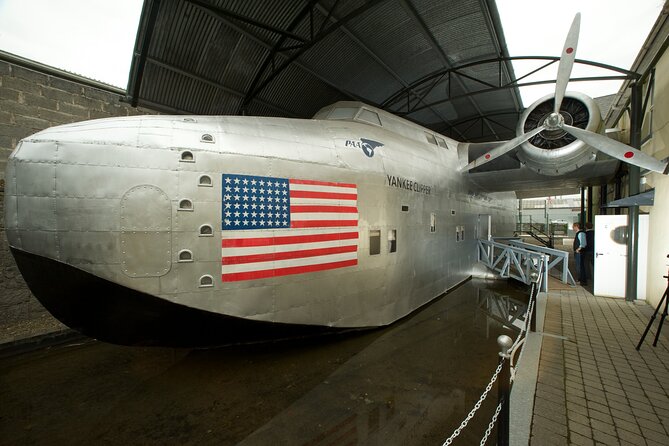
The flying boat is the main attraction, and it gives you a physical sense of how people once crossed the Atlantic. You can walk through the aircraft and picture a time when flying was treated as a special occasion, with the comfort and polish associated with an ocean liner.
The phrase world’s first Air Force One refers to the aircraft’s connection with an American presidential flight. That detail adds a touch of drama, but the more useful part of the visit is seeing how the aircraft was designed for long ocean crossings.
You will notice the contrast with present-day air travel. Modern planes are built for speed and efficiency. These flying boats belong to a slower age, when the journey itself was part of the experience. The museum uses that contrast well, allowing you to think about how much air travel has changed.
I would give this section the most time if aviation interests you. It is also the strongest part for anyone who likes engineering, transport, or social history. If you are mainly looking for interactive activities, the aircraft remains important, but the simulators may hold your attention longer.
The aircraft experience is likely to be most rewarding when you read the surrounding displays and listen to the guide. A quick walk through can show you the object, but the stories about the pilots and passengers help explain why it mattered.
Meeting the pilots who took on the Atlantic
The museum presents the early aviators as working professionals facing a difficult route, not just as heroic names on a wall. The Atlantic crossing demanded courage, skill, and careful judgment.
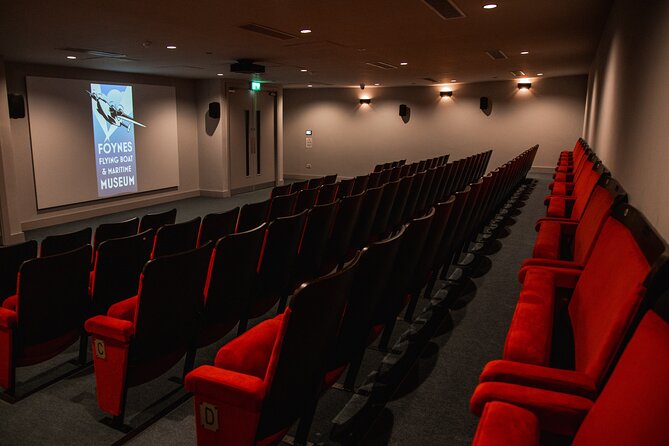
You learn about the pilots who took on the ocean, along with the practical challenges that came with flying at a time when aircraft technology was still developing. The museum’s opening film helps set the scene before you move through the exhibits.
That film is a useful start because it gives you a basic timeline and sense of place. If you arrive without much knowledge of flying boats, you can get your bearings quickly. It also makes the later displays easier to follow.
The human side matters here. The museum links aviation with Hollywood figures and other well-known passengers who passed through Foynes. Those connections make the story approachable, but the focus remains on the people who operated the service and kept it running.
A guide leads the visit, and the feedback supplied for this experience puts particular emphasis on the guide’s friendly, informative approach. No guide name is provided, so you should not expect a named specialist when booking. Still, personal explanation is an important part of the experience, especially if you have questions about the aircraft or the town’s role in transatlantic travel.
Flight simulators add a hands-on break
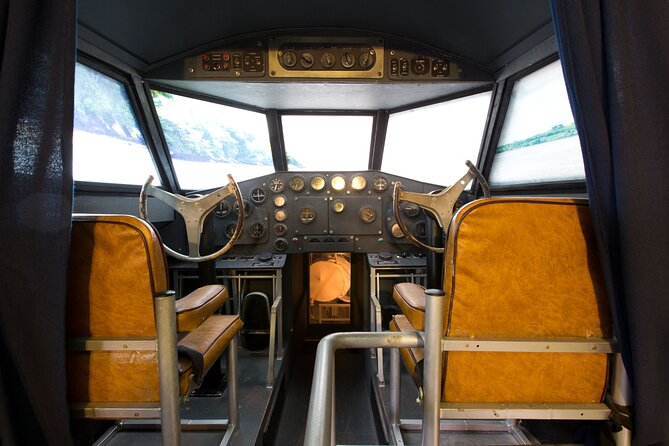
The flight simulators are a welcome change of pace after the historical displays. You can try your hand at being a pilot and test your flying skills.
The information does not specify the simulator model, controls, or number of stations, so I would keep expectations sensible. This is an interactive museum activity, not a professional flight-training session. Its value is in giving you a small taste of the decisions and coordination involved in flying.
For families, the simulator can stop younger visitors from feeling that the museum is all panels and explanations. Aviation fans may also enjoy comparing the experience with the aircraft on display. You see the history first, then get a chance to interact with the idea of flying yourself.
Because the full visit lasts about an hour and a half, the simulators fit into the day without taking over. You can spend longer at the aircraft and displays if they interest you, then use the simulator as a lively finish. If the museum is busy, you may need to share access or wait, though the supplied information does not give details about queues or group size.
A few more Limerick half-days to weigh up
- From Limerick: Full-Day Guided Tour of Cliffs of Moher
★ 4.2 · 523 reviews - Cliffs of Moher Day Tour from Limerick: Wild Atlantic Way
★ 4.0 · 286 reviews - Skip the Line: Bunratty Castle and Folk Park Admission Ticket
★ 4.5 · 200 reviews - Kayaking & Canoeing in Limerick City
★ 5.0 · 128 reviews
Foynes during wartime

The wartime section gives the museum a broader purpose. Foynes was not isolated from world events. Airline staff, passengers, and local people all had to deal with the pressures of the period.
This part should appeal to you if you enjoy social history as much as aircraft. It asks what it was like to work in an international aviation setting during war, and how ordinary life changed around the airport and estuary.
I appreciate this section because it avoids making the story only about famous pilots and glamorous passengers. The experience also looks at people whose daily work supported the air service. That makes the museum more grounded.
The exact objects and displays are not detailed in the supplied information, so I would not promise a particular artifact or exhibit. What you can expect is a focus on the experience of passengers, staff, and residents during wartime, placed within the larger story of Foynes aviation.
The Irish Coffee story in a 1940s setting
Foynes is closely associated with the birth of Irish Coffee, and the museum treats that story as a central part of the visit. A 3D hologram re-creates the night Irish Coffee was invented, giving the tale a bit of theater without requiring you to read a long panel.
You can also take part in an Irish Coffee Masterclass in a quaint 1940s setting. This gives the museum a more social and sensory element. After aircraft, controls, and wartime information, the drink story feels like a natural change of mood.
The masterclass is included in the general admission experience as described, while Irish Coffee purchased at O’Regan’s restaurant is sold separately. That distinction matters if you are planning your budget. You can learn about the drink without ordering one, or make the visit feel more complete by buying one afterward.
I like this feature because it links a small local creation to the practical realities of Atlantic aviation. The drink was not invented in isolation. It became associated with Foynes because passengers and airport staff needed warmth and comfort in a setting shaped by long sea crossings and changing weather.
Do not expect the coffee purchase to be part of the ticket price. The restaurant is on site, so you do not need to arrange a separate stop if you want one. For many people, this will be the most memorable part of the visit, especially if aviation is not their main interest.
The control tower and Shannon Estuary views
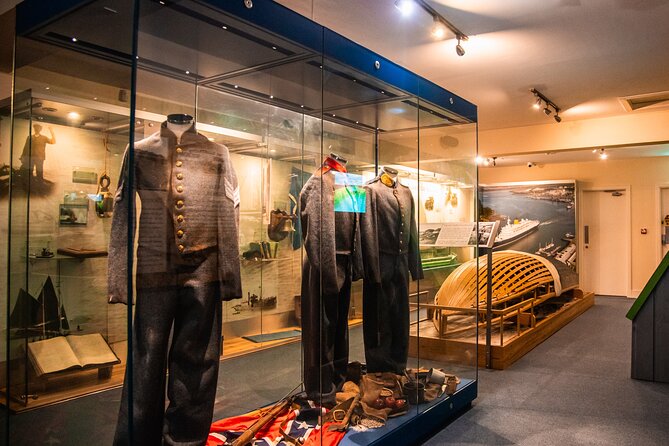
The control tower provides a different way to understand Foynes. From above, you can look across the Shannon Estuary and see why water was central to the town’s aviation story.
The panoramic view is not just a photo stop. It helps you connect the indoor displays with the actual setting where flying boats operated. After hearing about aircraft landing on water, you can look out over the estuary and place the story in its physical surroundings.
I would save the tower for later in your visit if possible. It works well as a closing point because you finish with a broad view after spending time with close-up objects and indoor exhibits.
The supplied information does not describe stairs, lift access, or the exact height of the tower. If you need specific access details, contact the museum before booking. Service animals are allowed, the museum is near public transportation, and most people can participate.
The maritime museum adds local depth
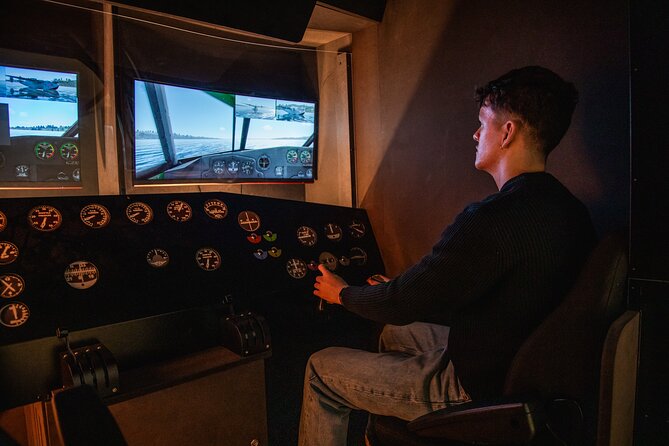
The maritime museum section expands the visit beyond aviation. It explores Ireland’s maritime heritage and the notable people from Foynes who helped shape Irish history.
That addition gives the museum a stronger local identity. You are not simply visiting an aircraft attraction that happens to be in Foynes. You are learning about a town connected to the sea, transport, migration, work, and national history.
The available information does not list every object or person featured, so I would avoid arriving with a fixed checklist. Instead, treat this section as a chance to place the flying boats within a larger maritime story.
It is especially useful if you are traveling with someone who is less interested in airplanes. The aircraft remains the headline feature, but the maritime displays provide another reason to spend time here.
Is $21.63 good value?
At $21.63 per person, this is best judged as a compact museum experience rather than a full-day attraction. For roughly 90 minutes, your ticket covers the flying boat, the aviation story, flight simulators, the wartime section, the Irish Coffee presentation and masterclass, the control tower, and the maritime museum.
That is a fair package if you plan to use several parts of it. The price feels stronger when you watch the film, listen to the guide, try the simulator, and climb the tower rather than simply walking through the aircraft.
The value is less convincing if you only want a quick look at one plane. In that case, the visit may feel short for the cost. The museum works best when you enjoy several connected subjects: aviation, maritime history, wartime life, local culture, and Irish Coffee.
You should also budget separately for a drink at O’Regan’s restaurant. The Irish Coffee available there is not included in admission. That extra purchase is optional, so you can keep the visit to the ticket price if you prefer.
A mobile ticket keeps the entry simple. Confirmation is provided at booking, and free cancellation is available up to 24 hours before the scheduled start time. Changes or cancellations inside that 24-hour window are not accepted for a refund, so check your plans before the deadline.
Timing your visit in Limerick
The museum is in Foynes, County Limerick, and is open Tuesday through Sunday from 10:00 a.m. to 4:30 p.m. during the listed seasons, March 15 through December 19 in both 2025 and 2026.
It is closed Mondays according to the supplied schedule. That is an easy detail to miss, especially if you are arranging a flexible driving day. Check the date carefully before setting out.
The 90-minute visit fits neatly into a larger day, but you should not arrive near closing and expect a relaxed experience. A mid-day arrival gives you more room for the film, guided sections, simulator time, the tower, and the restaurant.
The museum is near public transportation, though no specific bus or rail details are provided. You can use a mobile ticket, and service animals are allowed. Most people can take part, but the available information does not provide detailed guidance on every physical access point.
Who will get the most from this visit?
I would recommend Foynes Flying Boat Museum to:
- Aviation fans who want to see the aircraft connected with early Atlantic travel.
- Families looking for a museum with a simulator and visual presentations.
- Anyone curious about the origin of Irish Coffee.
- People interested in wartime life and the working side of air travel.
- History fans who enjoy maritime stories and local figures.
- Visitors building a Limerick-area day around shorter, focused attractions.
It may be less suitable if you want a large museum with hours of galleries, many interactive stations, or a long guided tour. The supplied duration is about 90 minutes, and that is the right expectation.
The visit also depends on what you enjoy. Someone who loves aircraft may want to linger over the flying boat and pilot stories. Someone more interested in food culture may remember the hologram and masterclass most clearly. The museum gives both kinds of visitor a reason to come, but not every section will carry equal weight for you.
Should you book Foynes Flying Boat Museum?
You should book if you want a focused, well-rounded stop that connects early aviation, Irish Coffee, and the Shannon Estuary. The strongest reasons are the chance to board the historic flying boat, hear the human stories behind Atlantic crossings, and take part in a few hands-on and visual activities.
I would be especially comfortable recommending it at $21.63 if you can spare the full 90 minutes and plan to use the guide, simulator, control tower, and Irish Coffee presentation. The reported experience earns a 5 out of 5 rating from 33 reviews, with 100 percent recommending it, and the most consistent praise centers on the friendly guide and the opening film that sets the scene.
Skip it only if your schedule is tight, your visit falls on a Monday, or your main goal is a major aviation collection with many aircraft. For everyone else, Foynes offers a useful look at a turning point in travel, with enough local character to make the stop worthwhile.
FAQ
How long does a visit to Foynes Flying Boat Museum take?
The visit lasts approximately 1 hour and 30 minutes.
How much does admission cost?
General admission is listed at $21.63 per person.
What are the museum’s opening hours?
The museum is open Tuesday through Sunday from 10:00 a.m. to 4:30 p.m. during the listed periods from March 15 through December 19 in 2025 and 2026.
Is Irish Coffee included in the admission price?
The Irish Coffee available at O’Regan’s restaurant is sold separately. The museum experience includes an Irish Coffee Masterclass and a 3D hologram about the drink’s invention.
Can I use a mobile ticket?
Yes. A mobile ticket is available, and confirmation is provided at the time of booking.
Are service animals allowed?
Yes. Service animals are allowed at the museum.
Can I cancel for a full refund?
Yes, if you cancel at least 24 hours before the experience start time. Cancellations or changes made less than 24 hours before the start time are not accepted for a refund.
Recently added around Limerick
- Best of Limerick: Private Walking Tour with a Local★ 5.0 · 5 reviews
- Private Walking Tour of Adare★ 5.0 · 6 reviews
- Limerick City: Private transfer to & from Shannon Airport★ 5.0 · 7 reviews
- Guided eBike Tour – Killaloe and the Lough Derg Shore★ 5.0 · 9 reviews
- Private Walking Tour of Limerick City★ 4.0 · 10 reviews
- Angela’s Ashes 1.5hrs Walking Tour★ 5.0 · 20 reviews
- Skip the Line: Hunt Museum Ticket★ 4.5 · 22 reviews
- Self Guided Bike Tour on the Limerick Greenway★ 5.0 · 33 reviews
Limerick Tours, compared.


Cliffs of Moher Day Tour from Limerick: Wild Atlantic Way
Read our review →
Skip the Line: Bunratty Castle and Folk Park Admission Ticket
Read our review →


Ring of Kerry Day Tour from Limerick: Including Killarney National Park
Read our review →

Dingle Peninsula Day Tour from Limerick: The Wild Atlantic Way
Read our review →Browse the lists this tour appears in