
Reviewed · DUBLIN TOURS
The Little Museum of Dublin Famous Guided Tour
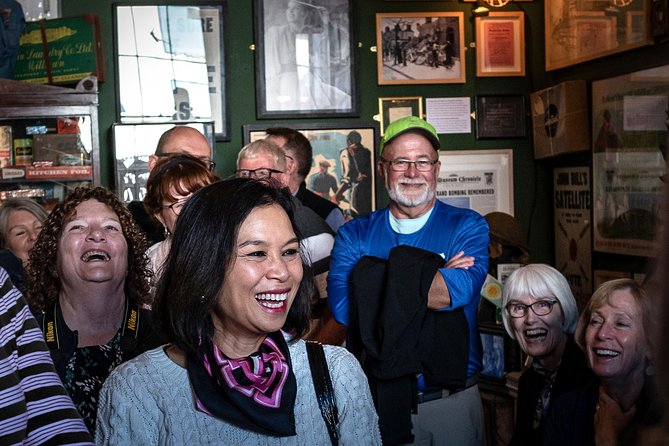
Dublin’s story is told best here through people, jokes, and odd little objects, not long rows of solemn display cases. In a Georgian townhouse beside St. Stephen’s Green, a local guide turns donated souvenirs, photographs, household items, and city memorabilia into a quick, lively history lesson.
I like two things right away: the small groups, capped at 10, make the storytelling feel personal, and the guides bring real performance energy. George, Emma, Saul, Sean, Pauline, Fionn, Eamon, Mark, Lisa, Isabelle, and Daryl are among the guides praised for humor, singing, dancing, and easy connection with the group.
The main consideration is the pace. The guided portion can last only about 30 minutes, and the rooms are packed with objects. If you want time to inspect every item, plan to stay afterward. The museum is small in size, but it is not short on things to see.
Key points to know before you go
- A fast history lesson: The tour gives you a lively introduction to Dublin, with some wider Irish history woven in.
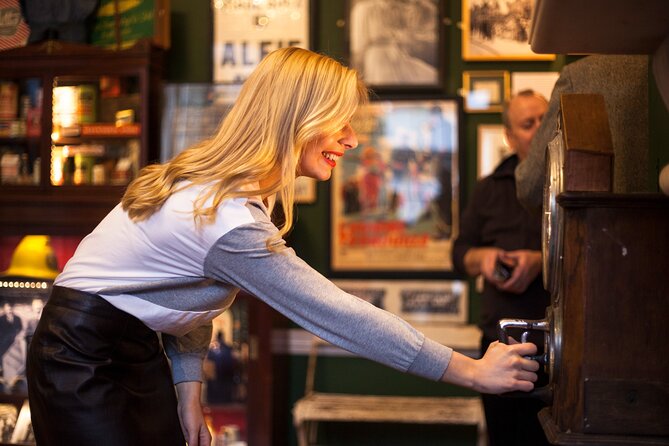
- Guides make the visit: Expect storytelling, jokes, and sometimes singing or dancing rather than a quiet audio-guide experience.
- A real people’s collection: Many objects were donated by Dublin residents, giving the displays a personal feel.
- Three floors in a Georgian townhouse: The museum is compact but filled tightly with objects, so the guided route moves briskly.
- Tara’s Palace and U2: A huge dolls house and a room dedicated to Dublin’s famous rock band add variety.
- Good value for a short visit: At $21.77, the ticket makes most sense if you value a lively introduction and use extra time to inspect the museum afterward.
Dublin history with a punch line
The Little Museum of Dublin is not trying to be a grand national museum. Its strength is narrower and more appealing: it tells the story of Dublin through the city’s habits, characters, memories, and everyday possessions.
That focus makes the visit useful at the start of a Dublin stay. You get a sense of the city’s personality before moving on to its larger sights. The tour is not only about dates and political events. It also looks at the way Dubliners lived, celebrated, argued, entertained themselves, and remembered their city.
I would describe the experience as a presentation inside a museum rather than a traditional museum tour. Your guide does most of the shaping. The objects provide the setting and evidence, while the stories give them meaning.
That format works especially well if museums usually lose you after ten minutes. The guides are animated and often playful. Several have been praised for comic timing, singing, and audience interaction. Pauline, for example, is noted for ending with a beautiful song, while another guide, Sean, has been known to add dancing and deliberately corny jokes.
This is not polished entertainment at the expense of substance. The visit still gives you a useful account of Dublin’s past. It simply delivers it in a more social, informal way.
More Museums in Dublin
- Irish Rock ‘N’ Roll Museum Experience Dublin
★ 5.0 · 6,112 reviews - Dublin EPIC Museum Admission Ticket
★ 4.5 · 1,729 reviews - Giant’s Causeway with the Titanic Exhibition and the best of Northern Ireland
★ 5.0 · 1,122 reviews
Starting at St. Stephen’s Green
The museum is at 15 St. Stephen’s Green, Dublin 2, D02 Y066. That puts you beside one of central Dublin’s best-known parks, with public transportation nearby.
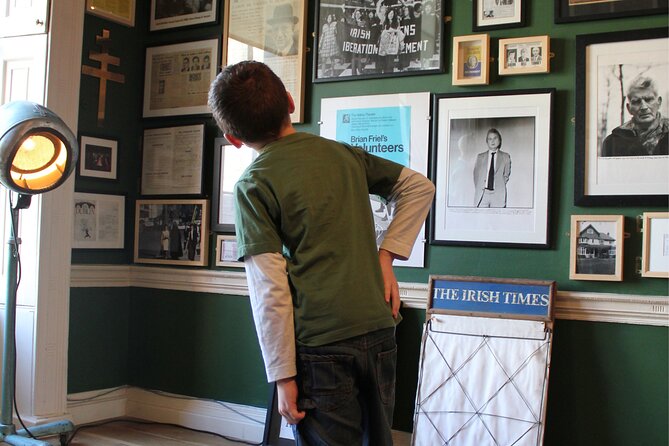
The setting matters. You are not entering a modern exhibition hall built for crowds. You are visiting a Georgian townhouse, and the rooms help establish the domestic scale of the collection. The building feels suited to objects donated by ordinary people and to stories about city life.
The stated meeting point is the museum itself. Your mobile ticket is accepted, and confirmation arrives when you book. The booking gives you a guaranteed place without tying you to one specific time slot, which is useful if you are fitting the museum around a day of sightseeing.
Still, check the available arrangements when booking. The experience is popular and is booked, on average, about 24 days ahead. That does not mean every date sells out that far in advance, but it is a clear warning not to leave this one until the last hour of your Dublin trip.
What happens during the guided tour
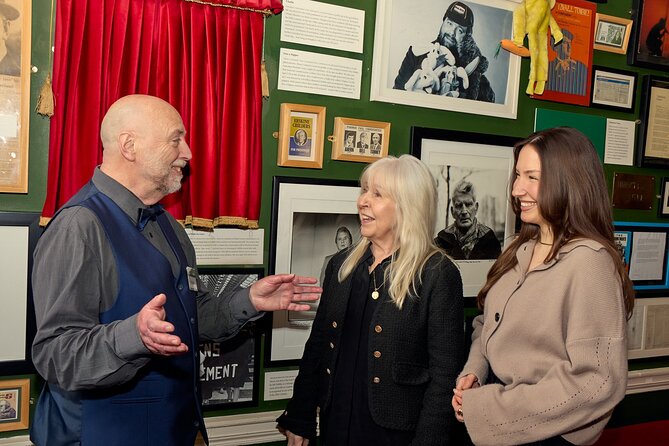
Once the group gathers, your guide leads you through the museum and builds a quick narrative from the collection. The exact style depends on the person leading your visit, but the pattern is clear: expect warmth, humor, and plenty of spoken explanation.
Guides named in the feedback include George, Emma, Saul, Sean, Pauline, Fionn, Eamon, Mark, Lisa, Isabelle, and Daryl. Their approaches vary, which is part of the charm. George has been praised for combining information with humor. Emma is described as animated and entertaining. Saul keeps the tour moving with a strong sense of fun, while Daryl mixes facts with interaction.
You should not expect every guide to deliver the same script in exactly the same way. That is a benefit if you like human tours, though it also means the tone can vary from one visit to another. The common thread is a lively local voice rather than a dry lecture.
The tour can be as short as 30 minutes, with the full visit taking closer to an hour depending on the group and the time you spend looking around. Some people find 30 minutes just right for a first look at Dublin. Others feel rushed because there are so many objects in view.
My advice is simple: treat the guided talk as the introduction, not the entire museum visit. Listen closely while the guide is speaking, then use any available time afterward to return to displays that caught your eye.
A small building packed with Dublin
The museum is spread over three floors, although the space itself is compact. That combination explains the mixed reaction you may have to the size. It really is little in floor area, but each room contains a large number of objects.
Much of the collection came from the people of Dublin. That gives it a different character from a museum built around rare masterpieces or official state collections. You might find the objects more familiar and more emotionally direct because they connect to homes, workplaces, music, family life, and city routines.
The displays can reward slow looking, but the guided route does not always leave time for it. You may hear a funny story about an item and then need to move on before you have examined everything nearby. This is the central tradeoff of the experience: the guide makes the objects memorable, but the guide also keeps you moving.
If you are highly interested in visual detail, arrive ready to stay longer. If you mainly want a clear and enjoyable orientation to Dublin, the brisk pace is an advantage.
A different sort of day from the same base:
- Dublin to Cliffs of Moher, including Wild Atlantic Way and Galway
★ 5.0 · 23,331 reviews - From Dublin: Cliffs of Moher, Burren & Galway City Day Tour
★ 4.8 · 18,888 reviews - Dublin: Guinness Storehouse Entry Ticket
★ 4.6 · 16,863 reviews - Dublin to Cliffs of Moher, Burren, Wild Atlantic Way, Galway Tour
★ 5.0 · 12,924 reviews
Tara’s Palace and the U2 room
Two features help break up the historical storytelling.
Tara’s Palace is one of the world’s largest dolls houses. It gives the museum a playful attraction that works for adults and children alike. It is also a good reminder that the collection is not limited to political history. Scale, craft, domestic life, and imagination all have a place here.
The U2 room connects the city’s past to its modern cultural identity. Dublin’s story is not only about old buildings and long-ago events. The city has also shaped music and popular culture, and the band’s dedicated room gives that part of Dublin its own space.
These additions make the museum easier to enjoy as a family or mixed-interest group. One person can come for city history, another for U2, and a child may remember the dolls house most clearly. The result is a visit with more variety than its small footprint suggests.
Why the guides matter so much
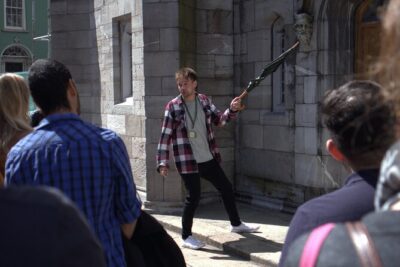
A strong guide is the difference between scanning objects and remembering a story. Here, the guide is not simply pointing out labels. The best parts come through voice, timing, facial expression, and a sense of connection with the room.
You might hear a joke, a surprising detail, or a song that makes a date or object easier to remember. That is why the experience appeals to people who normally avoid museums. It asks you to listen and react, not stand silently in front of a case.
The named guides have received especially warm praise for being funny, expressive, and engaging. Pauline is also noted for her singing, and several guides are described as skilled storytellers. You should not book expecting a particular guide unless the museum confirms one, but the range of names gives you a fair idea of the team’s style.
The humor will not suit every taste. Some jokes are intentionally corny, and a theatrical guide may feel like too much if you prefer quiet, label-based learning. For most people, though, the light tone makes the information easier to absorb.
What the tour teaches you
The museum is more about Dublin than about Ireland as a whole. That distinction is important.
You will hear Irish history, but the focus is the capital: its citizens, traditions, public life, culture, and changing identity. If you want a broad survey of the entire island, this visit will not cover every region or period in equal detail.
As an introduction to Dublin, it works well. You get a frame for understanding the city around you. Afterward, streets and landmarks can feel less like disconnected sights and more like parts of an ongoing story.
The tour also gives you a few things guidebooks often miss. A book can list dates and monuments. A personable guide can explain why a local custom matters, why a public figure is remembered, or how humor fits into the city’s character.
I would not use this as your only history experience in Ireland. I would use it as a short, friendly first chapter.
Is $21.77 good value?
At $21.77 per person, the price is reasonable if you make use of the whole visit. For the guided portion alone, the cost may feel high if your tour lasts only 30 minutes. The value improves when you stay to examine the collection after the talk.
You are paying for more than entry. The ticket includes a guided performance, a small group, access to the townhouse displays, Tara’s Palace, and the U2 room. The guide’s storytelling is the main product, and the quality of that delivery shapes how worthwhile the price feels.
Compared with a long museum visit, this is a modest commitment in both time and money. It also avoids the risk of spending half a day in a place that does not suit you. You get a focused introduction, then decide how much longer you want to browse.
The booking system adds practical value. You can reserve a place without being fixed to one exact time slot, which makes it easier to build a walking day around St. Stephen’s Green and central Dublin. Since the tour can fill up, prebooking is sensible.
Who will enjoy this most?
I would recommend it to first-time Dublin visitors, families, couples, and anyone who wants a quick sense of the city before visiting more formal attractions.
It is particularly well suited to you if:
- You prefer stories to long wall labels.
- You enjoy local humor and informal guides.
- You want a short activity near St. Stephen’s Green.
- You are visiting with children or mixed ages.
- You like unusual collections and everyday objects.
- You want Dublin-focused history rather than a broad survey of Ireland.
You may want to choose something else if you need a quiet, self-guided museum with lots of time for close study. The tour is led in English, and the spoken delivery is central. If you are not comfortable following English storytelling, much of the value will be lost.
The museum is also not ideal for someone who wants a large building with wide galleries. The space is compact, the floors are closely packed, and the route moves quickly.
Practical details that affect your visit
The experience is offered in English and uses a mobile ticket. Confirmation is provided at booking. Service animals are allowed, and the museum is near public transportation.
The maximum group size is 10, which is a real advantage in a small townhouse. A small group makes it easier to hear the guide and gives the presentation a more personal feel.
Most people can take part. The supplied information does not give a detailed description of every access feature, so if you have particular mobility needs, contact the provider before booking.
The cancellation policy is straightforward: cancel at least 24 hours before the start time for a full refund. Cancellations or changes made within 24 hours are not accepted for a refund, and the cut-off uses Dublin local time.
Should you book the Little Museum of Dublin?
Yes, if you want a short, funny, human introduction to Dublin rather than a formal museum survey. The combination of local guides, donated objects, a Georgian townhouse, Tara’s Palace, and U2 memorabilia gives the visit a strong sense of place.
Book it early if it is important to your plans, especially since it is often reserved well ahead. Choose it near the beginning of your stay, then keep time afterward to revisit the displays at your own pace.
Skip it if you strongly dislike guided presentations, corny jokes, or compact rooms. For everyone else, $21.77 buys a lively hour and a useful way to understand the city before you set off to explore it on foot.
FAQ
Where is the Little Museum of Dublin?
It is at 15 St. Stephen’s Green, Dublin 2, D02 Y066, beside St. Stephen’s Green.
How long does the experience last?
The experience lasts approximately 30 minutes to 1 hour. The guided portion may be about 30 minutes, with extra time available to look around the museum.
Is the tour guided or self-guided?
The booked experience includes a guided tour in English. You may also have time to look through the displays independently after the talk.
How large is the tour group?
The activity has a maximum of 10 travelers.
What can I see inside the museum?
The museum presents Dublin’s history through objects largely donated by people from the city. It also includes Tara’s Palace, one of the world’s largest dolls houses, and a room dedicated to U2.
Can I cancel for a full refund?
Yes. You can receive a full refund if you cancel at least 24 hours before the experience start time. Cancellations or changes within 24 hours are not refunded.
Is the museum suitable for most people?
Most travelers can participate, and service animals are allowed. The tour is offered in English and is near public transportation. If you have specific access needs, confirm details with the provider before booking.
Recently added around Dublin
- Dublin: Pub Tour. Pour The Perfect Guinness, Whiskey & Music★ 5.0 · 3 reviews
- Waterford Crystal and Kilkenny Full-Day Rail Tour from Dublin★ 5.0 · 3 reviews
- Cliffs of Moher and The Burren Private Tour from Dublin★ 5.0 · 3 reviews
- Private Chauffeur Service From Dublin Airport to Killarney★ 5.0 · 3 reviews
- Beautiful Southwest Tour 2022★ 5.0 · 3 reviews
- A Self Guided Walking Tour of Dublin’s Docklands★ 4.5 · 3 reviews
- Dublin One Day Tour with a Local: 100% Personalized & Private★ 4.5 · 3 reviews
- Ireland: 3-Day West Coast Explorer Tour★ 5.0 · 3 reviews
Dublin Tours, compared.

Dublin to Cliffs of Moher, including Wild Atlantic Way and Galway
Read our review →
Cliffs of Moher, Burren & Galway City Day Tour
Read our review →

Dublin to Belfast Black Cab, Dunluce Castle and Giant’s Causeway
Read our review →
Kilkenny, Wicklow Mountains & Glendalough Day Tour from Dublin
Read our review →
Wicklow Mountains, Glendalough & Kilkenny Tour
Read our review →
Dublin Highlights and Hidden Gems Guided Walking Tour
Read our review →Browse the lists this tour appears in