
Reviewed · DUBLIN TOURS
Dublin EPIC Museum Admission Ticket
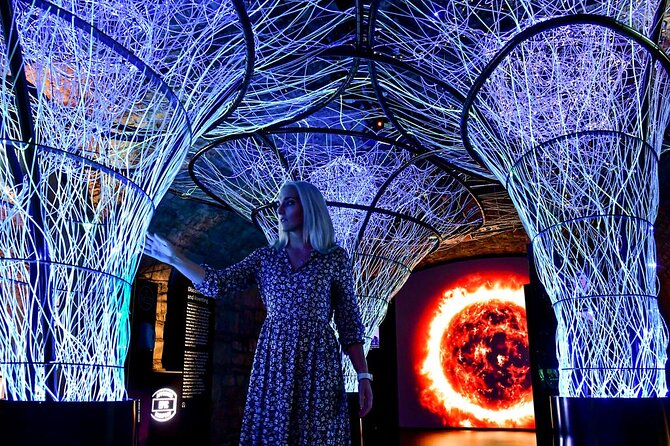
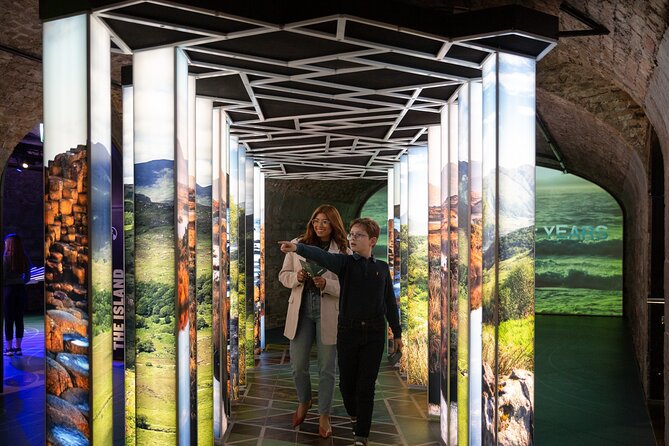
EPIC tells the story of Irish emigration through 20 interactive galleries, moving from the reasons people left Ireland to the ways they shaped communities around the world. Instead of a traditional room-after-room display, you follow a playful passport trail filled with personal stories, music, culture, inventions, sport, politics, and famous Irish descendants.
I like the freedom to visit at any time during opening hours and set my own speed. I also like the free audio guide app, available in nine languages, which adds useful context when a display raises more questions than it answers.
The main consideration is the sheer amount of material. The stated visit takes about 90 minutes, but you may need two or three hours if you read closely and use the interactive features. Some sections will appeal more to you than others, especially the sport galleries.
Key points
- Twenty galleries in Dublin’s CHQ building: Follow Irish emigration from departure and hardship to global influence.
- A passport makes the visit playful: Collect a stamp in each gallery, a simple touch that works especially well for families.
- Self-guided and flexible: Enter at any time during opening hours and move at your own pace.
- Free audio guide app: Download commentary for your phone in nine languages, or rent a device for an additional €2 if you cannot use the app.
- Irish ancestry help costs extra: Standard admission does not include the Irish Family History Centre or a professional genealogist consultation.
- Allow more time than expected: Ninety minutes is possible, but three hours is reasonable if you stop for the stories and activities.
Why EPIC Works Better Than a Standard History Museum
Ireland’s story is often told through battles, kings, famine, and independence. EPIC takes a different route. Its focus is the movement of Irish people away from the island and the mark they made after leaving.
That gives the museum a broad reach. You learn about the pressures that pushed more than 10 million Irish people abroad, then see how Irish communities contributed to music, politics, sport, invention, culture, and public life in other countries.
The subject can feel personal even if you have no Irish ancestry. Letters, names, voices, and individual experiences turn large events into human stories. If your family left Ireland, the displays may help you think about what departure meant beyond a date on a family tree.
The museum also reaches into modern times, rather than stopping with the Great Famine. That wider time span helps explain why Irish identity remains a global subject, with roughly 70 million people around the world claiming Irish ancestry today.
More Museums in Dublin
- Irish Rock ‘N’ Roll Museum Experience Dublin
★ 5.0 · 6,112 reviews - The Little Museum of Dublin Famous Guided Tour
★ 5.0 · 2,948 reviews - Giant’s Causeway with the Titanic Exhibition and the best of Northern Ireland
★ 5.0 · 1,122 reviews
Getting to the CHQ Building
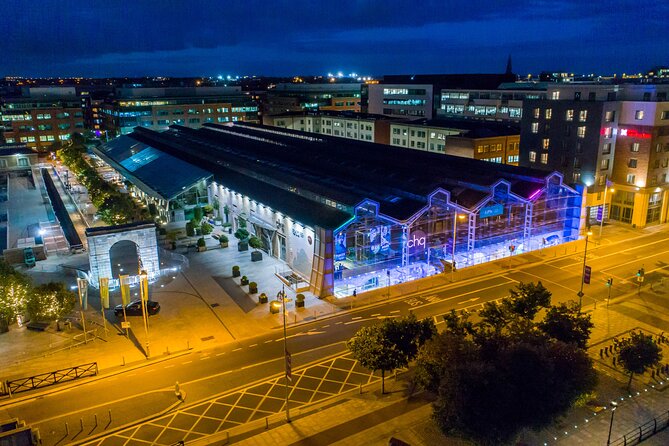
EPIC is inside Dublin’s historic CHQ building, a short walk from O’Connell Street or Trinity College. That makes it easy to add to a central Dublin day without arranging a separate excursion.
You can use public transportation, and the museum is near transport links. Once you arrive, present your electronic or paper voucher at check-in. You then receive the souvenir passport used throughout the galleries.
The passport is more than a keepsake. Each gallery has a stamp, so you have a clear reason to keep moving and a small task to share with children. Adults may find it a little silly at first, but it gives the visit a welcome sense of progress.
Prebooking also removes one uncertainty: your admission is arranged before you arrive. Since the attraction can be popular, booking ahead is sensible, especially if your Dublin schedule is tight. The ticket is mobile, so you do not need a printed copy unless you prefer one.
The Twenty-Gallery Journey
The museum follows a connected route, though the self-guided format lets you spend extra time where your interest is strongest. Staff are placed around the building to answer questions, which is useful when you want more context than a screen provides.
Leaving Ireland
The early galleries explain why people left Ireland and what made emigration such a lasting part of the country’s story. The subject is not reduced to one cause. Economic pressure, hardship, family circumstances, and changing opportunities all form part of the picture.
This section helps you understand that emigration was not simply an adventurous choice. For many people, leaving meant separation, uncertainty, and a difficult attempt to build a life somewhere new.
The presentation is designed to be easy to follow, even if you arrive with little background knowledge. You do not need to prepare by reading Irish history first. The museum gives you enough structure to understand the main events, though the volume of information can become heavy if you try to absorb every detail.
A different sort of day from the same base:
- Dublin to Cliffs of Moher, including Wild Atlantic Way and Galway
★ 5.0 · 23,331 reviews - From Dublin: Cliffs of Moher, Burren & Galway City Day Tour
★ 4.8 · 18,888 reviews - Dublin: Guinness Storehouse Entry Ticket
★ 4.6 · 16,863 reviews - Dublin to Cliffs of Moher, Burren, Wild Atlantic Way, Galway Tour
★ 5.0 · 12,924 reviews
The Human Cost of Departure
As you continue, the tone becomes more personal. The museum looks at sacrifice, endurance, fear, and hope through individual stories rather than only dates and statistics.
I find this approach useful because it keeps the subject from feeling remote. The global number of Irish emigrants is striking, but a personal account helps you picture the decision to leave, the uncertainty of travel, and the challenge of starting again.
This is also where the museum can feel emotional. You may want to slow down and listen to the audio commentary or read more carefully. If you are traveling with young children, they may prefer the hands-on elements to the more serious accounts.
Irish Life Beyond the Island
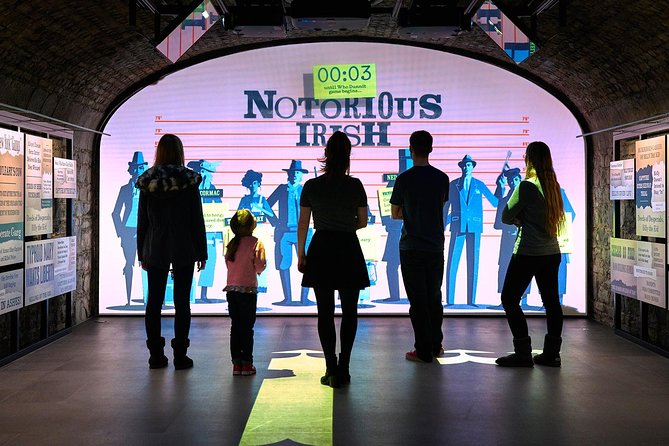
The later galleries explore where Irish people went and how they influenced their new homes. The museum includes well-known figures, but it also presents the wider Irish contribution through culture and public life.
Music, politics, inventions, sport, and other achievements appear as part of the story. This broad selection keeps the visit from becoming only a lesson about famine and hardship. It shows how Irish identity developed across borders and generations.
You may enjoy some subjects more than others. The sports section, for example, will be a highlight for some visitors and a quick stop for others. The self-guided format helps here: you can linger over music or family stories and move faster through a topic that does not interest you.
Modern Irish Connections
EPIC continues into recent times, showing that emigration is not only an event from the nineteenth century. Irish communities abroad remain connected to the island in different ways, and people of Irish descent continue to explore those links.
This wider scope gives the museum a more balanced shape. It recognizes hardship, but it also makes room for achievement, humor, creativity, and ordinary family connections.
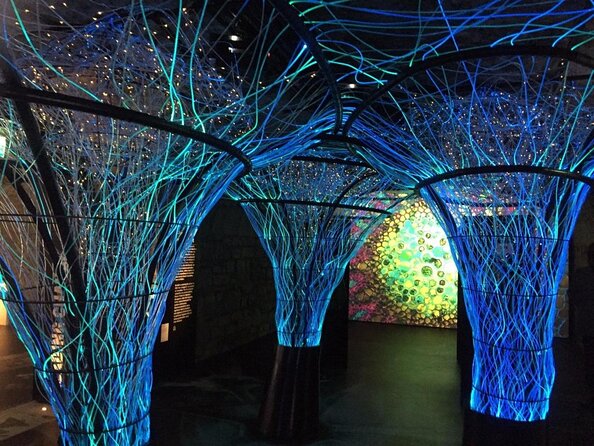
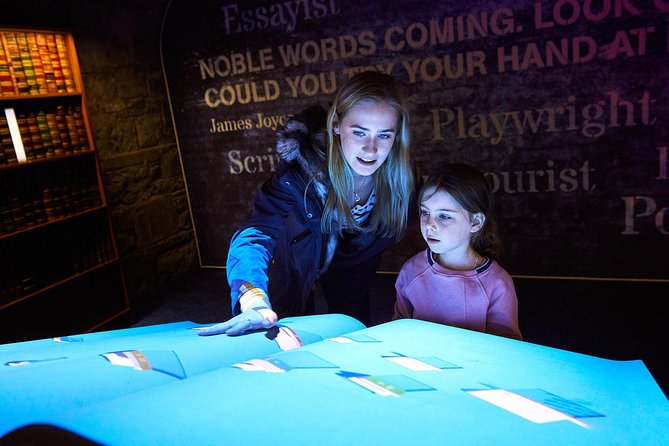
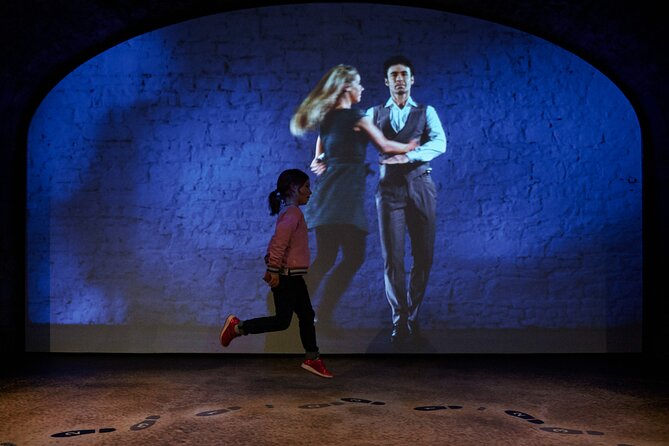
The galleries use color, screens, sound, and interactive features to keep the subject moving. That technology is one of the museum’s strengths, though it can also create a minor nuisance when two nearby displays play audio at the same time. Bring patience, and use headphones with the app if that suits you.
Using the Passport and Audio Guide

The souvenir passport is included with admission. Collecting stamps in all 20 galleries gives children a clear goal and helps adults keep track of the route.
I would not rush to collect every stamp just for the sake of finishing. The passport is most useful as a prompt to notice each gallery, then pause where the subject catches your attention.
The free app provides an audio guide in nine languages for iPhone and Android. Download it before or during your visit if you want more explanation than the displays provide. Several people find the audio especially helpful because it gives the rooms a stronger narrative flow.
If you cannot download the app, audio guide devices are available for an extra €2. That small charge is separate from the ticket, so plan for it if using your own phone is not practical.
The museum’s design is already easy to follow, so the audio is optional. I would use it if you enjoy context and storytelling. If you prefer to read, interact, and move freely, you can have a worthwhile visit without it.
How Long Should You Stay?
The usual estimate is about 1.5 hours. That is enough for a steady visit, particularly if you skim some displays or spend less time with the audio.
You should allow closer to two or three hours if you read carefully, stop for interactive screens, collect every stamp, or have a strong interest in family history. Some visitors finish in half the suggested time, while others remain for three hours because the museum offers so many separate topics.
That range matters when planning your Dublin day. EPIC is not a quick 30-minute stop, but it also does not require a full day. It fits nicely between other central attractions.
The building includes restrooms and a place to get a snack, which helps if you are visiting with children or need a break. One useful feature is the flexible pace. You can take your time rather than being tied to a scheduled group tour.
The Irish Family History Centre Costs Extra
Standard EPIC admission does not include entry to the Irish Family History Centre. If you want to investigate your own Irish ancestors, you pay an additional admission fee.
The centre can help you explore family records, ancestors, and your own connection to Ireland. You can also schedule a consultation with a professional genealogist, which may be worthwhile if you already know names, dates, or places connected to your family.
I would treat this as a separate activity rather than assuming it forms part of the museum ticket. EPIC gives you the historical setting. The Family History Centre is where you pursue your personal research.
A little preparation can make that extra visit more useful. Bring whatever family details you have, but do not expect standard admission to include a private family search or consultation.
Who Will Enjoy EPIC Most?
EPIC is an obvious choice if you have Irish ancestry, but you do not need an Irish family connection. The museum explains Ireland’s global story in a way that works for first-time visitors and people who already know the basics.
Families often benefit from the passport stamps and interactive displays. Children must be accompanied by an adult, and most people can take part. The hands-on design gives younger visitors something to do while adults spend more time with the historical material.
It also suits people who normally avoid museums. The route is active, the galleries use technology, and you are not expected to stand silently in front of long rows of objects. Still, this is not an amusement attraction. The strongest sections ask you to read, listen, and think about difficult experiences.
If you prefer original artifacts, quiet galleries, or a tightly focused topic, EPIC may feel less satisfying. Much of the presentation relies on visual displays, screens, sound, and interactive material. One rare negative reaction described the experience as too screen-based, so consider your museum tastes before booking.
Price, Flexibility, and Overall Value
The admission price is about $25.40 per person. For a visit lasting 1.5 to 3 hours, that is a fair Dublin attraction price if you use the galleries fully and take advantage of the audio guide.
The value improves if you have Irish roots or want a clear introduction to the Irish diaspora. You are not paying only for a short exhibit. You get a structured route, 20 galleries, the passport, staff available for questions, and a free audio option.
The ticket is less attractive if you plan to rush through in under an hour or dislike interactive museums. In that case, the price may feel high for a display-led experience.
Prebooking is useful because it guarantees entry and lets you fit the museum into your day. You can enter at your chosen time during opening hours, rather than joining a scheduled guided group.
Free cancellation is available if you cancel at least 24 hours before the experience start time. Cancellations made within 24 hours are not refunded, and changes in that final 24-hour period are not accepted.
Practical Tips for a Better Visit
Download the audio guide app if you want the nine-language commentary, and bring headphones if you prefer to avoid nearby sound mixing.
Allow more time than the advertised 90 minutes if you have family connections to Ireland. You will probably stop more often when a name, place, or story feels familiar.
Use the passport as a route marker, not a race. Collecting all the stamps is fun, but the personal accounts deserve more attention than the final stamp.
Visit with an open schedule. The museum is self-guided, so you can move quickly through sport or another less interesting section and spend longer with music, politics, migration, or family stories.
Staff can answer questions throughout the building. Ask when a display leaves you curious, especially if you want help understanding the sequence of galleries.
Service animals are allowed, and the attraction is near public transportation. Children need an adult companion, and most people can participate.
Should You Book EPIC?
Book this ticket if you want an engaging introduction to Irish emigration, especially if your family has Irish roots or you enjoy museums that use screens, sound, and hands-on features. The passport adds fun for children, while the audio guide gives adults more context.
You should plan on at least 90 minutes, and preferably two hours if you like to read. Add the Irish Family History Centre only if personal genealogy is a real goal, since it is not part of standard admission.
Skip it if you want a traditional museum built mainly around original objects or if your Dublin schedule allows only a very quick stop. For most people who want to understand why Irish culture and ancestry reach far beyond Ireland, EPIC earns its place in the city itinerary.
FAQ
Where is EPIC The Irish Emigration Museum?
The museum is in Dublin’s CHQ building, a short walk from O’Connell Street or Trinity College.
How long does the EPIC museum visit take?
The visit generally takes about 1.5 hours, but you can spend two or three hours if you read closely, use the audio guide, and explore the interactive displays.
Is the admission ticket self-guided?
Yes. You visit the 20 galleries at your own pace and can enter at any time during opening hours.
Is an audio guide included?
A free audio guide app is available for iPhone and Android in nine languages. If you cannot download the app, an audio guide device costs an additional €2.
What is the passport used for?
You receive a free souvenir passport at check-in and can collect a stamp in each gallery.
Is the Irish Family History Centre included?
No. Entry to the Irish Family History Centre is not included with standard EPIC admission. Genealogy consultations also require an additional fee.
Can children visit EPIC?
Yes, but children must be accompanied by an adult. Most people can participate in the experience.
Is the museum accessible by public transportation?
Yes. EPIC is near public transportation.
Can I cancel for a refund?
You can cancel at least 24 hours before the experience start time for a full refund. Cancellations or changes made within 24 hours are not accepted for a refund.
Recently added around Dublin
- Dublin: Pub Tour. Pour The Perfect Guinness, Whiskey & Music★ 5.0 · 3 reviews
- Waterford Crystal and Kilkenny Full-Day Rail Tour from Dublin★ 5.0 · 3 reviews
- Cliffs of Moher and The Burren Private Tour from Dublin★ 5.0 · 3 reviews
- Private Chauffeur Service From Dublin Airport to Killarney★ 5.0 · 3 reviews
- A Self Guided Walking Tour of Dublin’s Docklands★ 4.5 · 3 reviews
- Beautiful Southwest Tour 2022★ 5.0 · 3 reviews
- Dublin One Day Tour with a Local: 100% Personalized & Private★ 4.5 · 3 reviews
- Ireland: 3-Day West Coast Explorer Tour★ 5.0 · 3 reviews
Dublin Tours, compared.

Dublin to Cliffs of Moher, including Wild Atlantic Way and Galway
Read our review →
Cliffs of Moher, Burren & Galway City Day Tour
Read our review →

Dublin to Belfast Black Cab, Dunluce Castle and Giant’s Causeway
Read our review →
Kilkenny, Wicklow Mountains & Glendalough Day Tour from Dublin
Read our review →
Wicklow Mountains, Glendalough & Kilkenny Tour
Read our review →

Dublin Highlights and Hidden Gems Guided Walking Tour
Read our review →Browse the lists this tour appears in