
Reviewed · DUBLIN TOURS
The History of Dublin With Locals: 1916 Easter Rising PRIVATE Tour
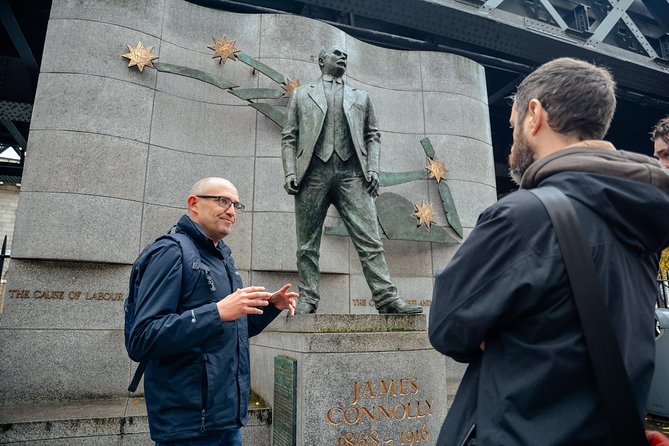
The most meaningful part of this Dublin walk is its use of the city itself as the classroom. You trace the 1916 Easter Rising through streets, buildings, memorials, and small details that are easy to miss when you simply pass through central Dublin. The General Post Office is the main anchor: a grand Georgian building that became headquarters for the Rising’s leaders.
I like the private format, which lets you stop for questions, adjust the pace, and follow side stories that fit your interests. I also like the local angle. Guides such as Eamon, Keelan, Marius, and Ruairi have been praised for adding lesser-known sites, city anecdotes, and practical help with getting around Dublin.
The main consideration is the amount of walking and the variable route. One experience covered about 4.5 miles, and some planned stops may change because of opening hours or the guide’s route. If you want museum interiors or a guaranteed visit to Kilmainham Gaol, confirm that before booking.
Key points to know before you book

- The GPO is the central historical stop: Learn how this famous post office became the Rising headquarters.
- You get a guide for your group alone: The private setup makes it easier to ask questions and set a comfortable pace.
- The walk can be long: Wear comfortable shoes and prepare for several hours on Dublin streets.
- The route is flexible: Additional sites depend on your guide and the route chosen for the day.
- The Garden of Remembrance adds a quiet pause: This memorial garden honors those who died in the cause of Irish freedom.
- The finish is at Collins Barracks: You start at Custom House Quay and end in the Stoneybatter area, rather than returning to the meeting point.
Why this walk makes the Easter Rising easier to understand
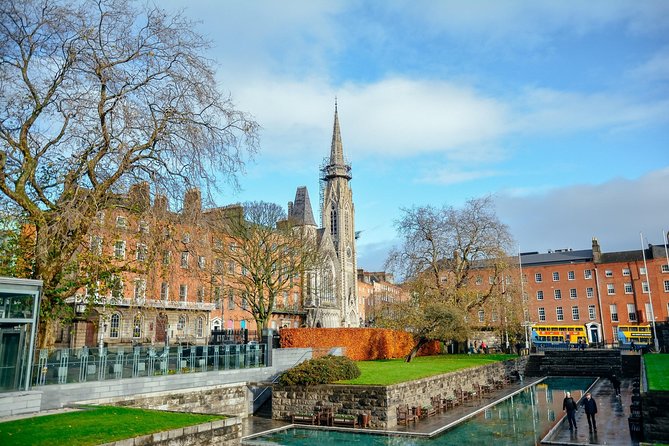
The 1916 Easter Rising can feel like a dense tangle of names, dates, politics, and military positions when you read about it indoors. This tour gives those events a physical shape. You move through the parts of Dublin connected with the rebellion, so the story develops as a sequence of places rather than a list of facts.
That matters because the Rising was tied closely to the city center. The buildings were not just background scenery. They became headquarters, defensive positions, meeting places, and symbols. A local guide can point out details on facades, plaques, statues, and side streets that you could easily walk past alone.
You should also expect more than a narrow lesson about six days in 1916. The route is designed to explain Dublin and Irish history around the Rising, and guides have added local stories and background about places along the way. If you already know the broad outline, the value comes from connecting it to the streets beneath your feet.
The private setup helps here. You can ask why a particular building mattered, pause when a story catches your interest, or spend less time on subjects your group already understands. A fixed group tour often has to keep moving. Here, the guide can respond to you.
More Historical Tours in Dublin
- Dublin Historical Centre Food Tour with 8 Food Tastings & Drinks
★ 5.0 · 1,718 reviews - 2-Hour Historical Walking Tour from Dublin
★ 5.0 · 875 reviews - Historical 2-Hour Guided Walking Tour of Dublin
★ 4.7 · 865 reviews
Starting at Custom House Quay
The meeting point is Custom House Quay on the north side of the River Liffey. This is a practical location near public transportation, but it is not one of the two clearly listed historical stops, so do not expect the tour to begin with an extended visit to the Custom House itself.
From there, your guide leads the group toward the central Dublin sites connected with the 1916 story. The exact path can vary by guide. That flexibility is useful if you want to include more city history, see less familiar streets, or slow down for someone in your group.
It also means you should not treat every possible stop as guaranteed. The experience specifies that additional locations depend on the guide and chosen route. Ask at the start what your guide plans to cover, especially if one particular building or memorial is important to you.
Because the tour lasts about three and a half hours, the route has time to develop. It is not a quick photo stop followed by a rushed lecture. At the same time, this is a walking tour, not a vehicle tour with brief strolls between sites. A moderate level of physical fitness is advised.
The General Post Office and the heart of the story
The An Post General Post Office is the clearest centerpiece of the experience. It is one of Ireland’s best-known buildings, and during the Easter Rising it served as headquarters for the rebel leaders.
The building also carries architectural interest. It was the last of the major Georgian public buildings erected in Dublin. That gives your guide two useful threads to work with: the older city represented by the building itself, and the revolutionary events that changed how the building is remembered.
The scheduled visit here is about 20 minutes, with no admission charge listed. That timing suggests an exterior-focused stop or a concise explanation rather than a long indoor museum visit. You can expect the guide to explain the building’s role and place the surrounding streets in the story.
I like this stop because it turns a familiar public building into a historical marker. You may already recognize the GPO from photographs or a city walk, but knowing that it functioned as the Rising’s headquarters changes what you see. The columns and formal facade become part of a much larger story about rebellion, authority, and national identity.
Do not assume that the tour includes admission to every attraction connected with 1916. Entrance fees are not included, and the published plan does not promise interior access to the GPO or other museums. If going inside a specific site is essential, ask before the walk begins.
A quiet pause at the Garden of Remembrance
The Garden of Remembrance is scheduled for about 25 minutes and has no admission charge listed. It occupies part of the former Rotunda Gardens at Parnell Square, near the northern end of O’Connell Street.
This is a very different kind of stop from the GPO. The post office is tied to action and confrontation. The Garden of Remembrance offers a quieter place to consider the human cost of the struggle for Irish freedom. Its purpose is to remember those who gave their lives in that cause.
The garden gives the walking route some welcome rhythm. Three and a half hours of history can become tiring if every stop is a plaque, statue, or street corner. A memorial space allows the guide to slow down and gives you time to take in the setting.
It is also a useful stop for anyone who wants to understand how the Rising is remembered, not just what happened. A good guide can help you distinguish between the physical events of 1916 and the later meaning attached to them.
The route may include other memorials and sites depending on your guide. This is where the private format can work especially well. If your group wants more time for memorials and public spaces, say so. If you prefer a faster walk with more ground covered, say that too.
A different sort of day from the same base:
- Dublin to Cliffs of Moher, including Wild Atlantic Way and Galway
★ 5.0 · 23,331 reviews - From Dublin: Cliffs of Moher, Burren & Galway City Day Tour
★ 4.8 · 18,888 reviews - Dublin: Guinness Storehouse Entry Ticket
★ 4.6 · 16,863 reviews - Dublin to Cliffs of Moher, Burren, Wild Atlantic Way, Galway Tour
★ 5.0 · 12,924 reviews
The changing route and what you may not see
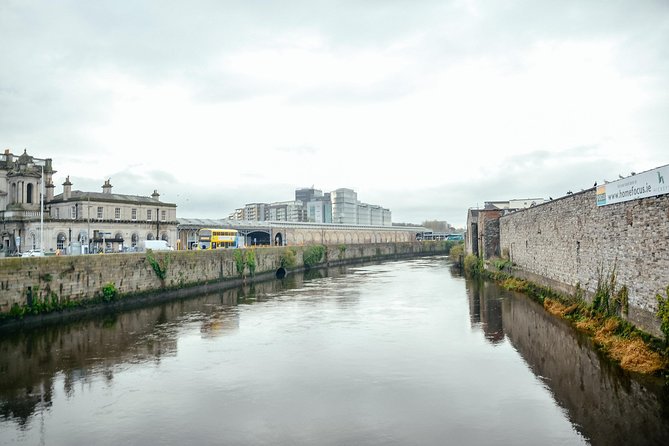
The tour description names the GPO and Garden of Remembrance, then leaves several other possible stops to the guide’s route. That wording is important. You are buying a private historical walk with a flexible plan, not a rigid checklist of every 1916 site in Dublin.
This flexibility has clear benefits. Guides have taken groups away from the main streets to places they would not have found alone. They have also pointed out small details on buildings, side roads, plaques, and statues that are easy to miss. That gives the walk a sense of discovery without promising a fixed collection of attractions.
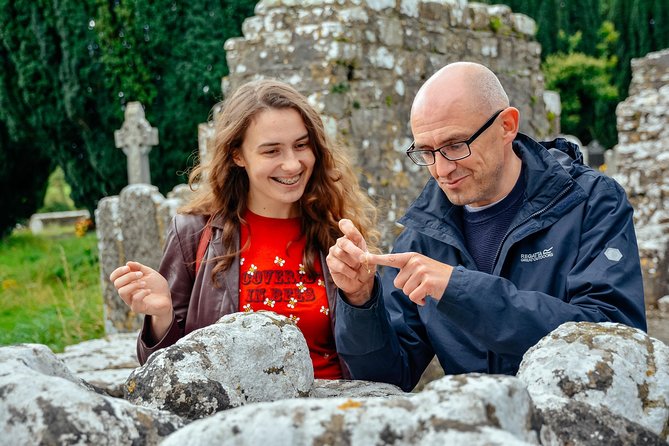
There are trade-offs. A cemetery may be closed by the time you reach it, as happened on one occasion. Another group expected Kilmainham Gaol and a cemetery but did not visit either because the route had changed. The tour does not include admission to attractions, and the available information does not guarantee Kilmainham Gaol.
If those places are high on your list, ask the provider to clarify the current route before you pay. You can also treat the tour as a city walk rather than a ticketed attraction package. Its strength is the guide’s explanation of Dublin’s streets and stories, not guaranteed entry to a particular museum or prison.
What the private guide adds
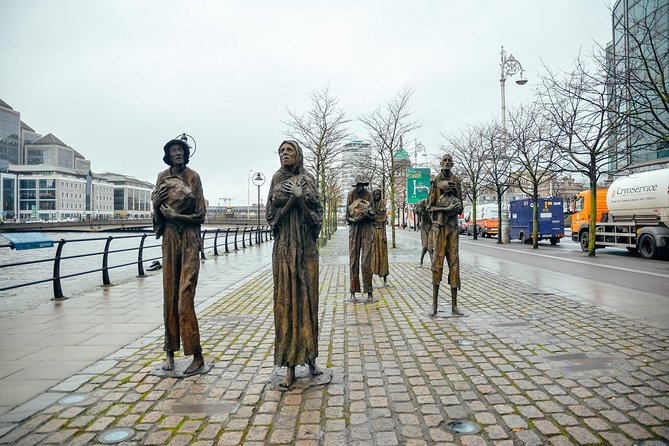
The guide is the main reason to choose this experience over a standard group walk. Only your group participates, so you can ask more questions and avoid waiting for a large crowd to gather around a street corner.
Several guides have received especially strong praise for their approach. Eamon has been described as exceptionally prepared, patient, and able to bring the story to life with photographs. He has also helped visitors understand the Luas, Dublin’s light rail system, which is useful if you are continuing to explore the city on your own.
Keelan has been praised for his grasp of Dublin and Irish history, along with his ability to keep a slower pace when needed. Ruairi has been noted for tailoring the route, answering questions, and adding small city details beyond the central Rising story. Marius has been described as accommodating and willing to shape the walk around the group’s interests.
That does not mean every guide will deliver the same style. One group found a replacement guide academically informed but too flat in presentation after an emergency guide change. This is a fair warning: the subject is dramatic, but the experience depends on clear storytelling as much as factual knowledge.
When you meet your guide, tell them what you want. You might already know the main events and want more local details. You might be traveling with children and need a lively pace. You might need frequent pauses or prefer a more serious discussion. The private format gives you room to make those requests.
The walking level and daily comfort
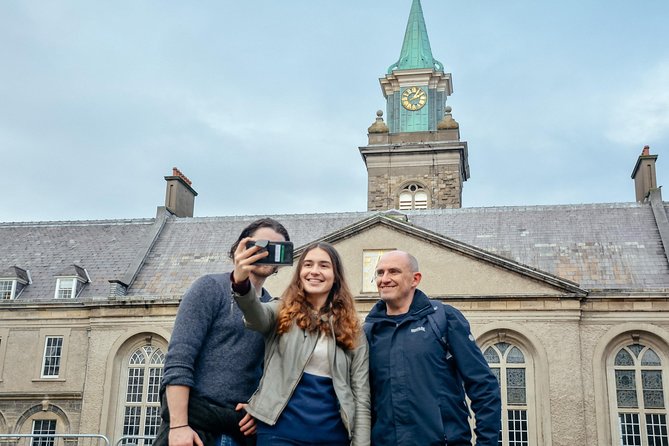
You should prepare for a substantial walk. The official advice calls for moderate physical fitness, and one account covered around 4.5 miles over three hours. That distance may not apply to every route, but it shows why comfortable shoes are essential.
Dublin weather can also affect the experience. The walk operates outdoors, and one group completed it in heavy rain. A good guide can keep the story moving, but no guide can make wet pavement and cold wind disappear. Bring suitable rain protection and dress for a changeable day.
The private format helps if someone in your group cannot walk quickly. A guide can slow the pace more easily for two or four people than for a large public group. Still, the route remains a city walk. If stairs, distance, or long periods outdoors are difficult for you, ask about the route before booking.
The start and finish are in different parts of Dublin. You meet at Custom House Quay and finish at Collins Barracks on Benburb Street in Stoneybatter. Plan your next move from Collins Barracks rather than assuming you will end near the river.
Is $135.16 per person good value?
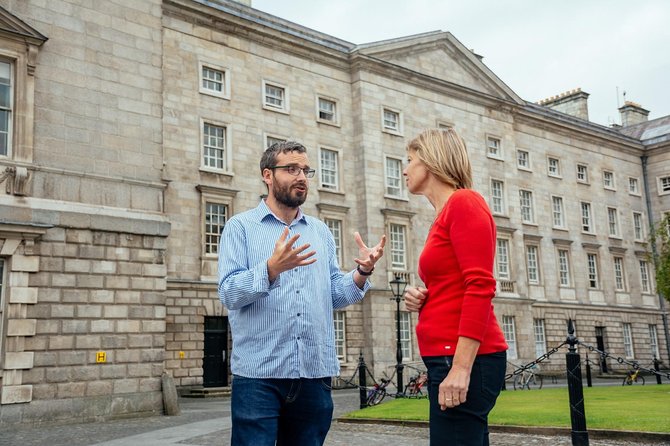
At about $135.16 per person, this is not a budget walking tour. The price buys a private guide for your group, not a ticket bundle. The GPO and Garden of Remembrance have no admission charge listed, and attraction entrances are not included.
The value depends on how much you want personal attention. For a couple or small family, a private guide can be worth the extra cost if you want to ask many questions, set the pace, or connect the Rising with wider Dublin history. It is also useful if your group includes people with different levels of background knowledge.
The price is harder to justify if you mainly want a short overview or a guaranteed indoor attraction. In that case, a less expensive group walk or museum visit may suit you better. You are paying for time, flexibility, and local interpretation rather than admission.
The tour is booked an average of 39 days ahead, so it is sensible to plan early if your Dublin dates are fixed. Group discounts are available, which may improve the price for a larger private party. Free cancellation is available until 24 hours before the start time. Changes or cancellations inside that window are not accepted for a refund.
The operator also offsets the carbon emissions of its tours. That does not change the walking experience, but it may matter if you are comparing similar private activities.
Who will enjoy this Dublin history walk?
I would choose this tour if you want the 1916 story tied to real places and prefer conversation over a scripted group presentation. It suits couples, families, and small groups who enjoy asking questions and adjusting a route as they go.
It is also a good fit if you know only fragments of Irish history. One guide can explain the basic story while pointing out what you are seeing around you. If you already have a strong background, use the private time for less familiar local details and the personal stories behind the better-known sites.
Families can do well with the right guide. Eamon, in particular, has been praised for keeping children engaged and answering their questions. Still, the walk is several hours long, so younger children need to be comfortable outdoors and on foot.
I would hesitate if you dislike walking, need guaranteed access to Kilmainham Gaol, or want a fixed itinerary with museum entries. The route can change, and the experience is strongest when you accept some flexibility.
Should you book The History of Dublin With Locals?
Book it if you want a personal, walking-based way to understand the Easter Rising and the Dublin streets connected with it. The 4.8 rating from 73 reviews and 93 percent recommendation rate reflect a generally strong experience, especially when the guide is engaging and adapts well to the group.
Before booking, make two checks. Ask which guide is assigned and what route is planned, particularly if you hope to visit Kilmainham Gaol, a cemetery, or another specific site. Then plan for a long walk, outdoor weather, and a finish at Collins Barracks.
For the best match, request a slower pace if needed and tell the guide whether you want political history, local anecdotes, family-friendly storytelling, or lesser-known locations. If you do that, this private walk can turn a complicated chapter of Irish history into a clear and memorable afternoon in Dublin.
FAQ
How long does the tour last?
The tour lasts approximately 3 hours and 30 minutes.
Where does the tour start?
The meeting point is Custom House Quay, North Wall, Dublin, Ireland.
Where does the tour finish?
The tour ends at Collins Barracks on Benburb Street in Stoneybatter, Dublin, D07 XKV4.
Is this a private tour?
Yes. Only your group and the local guide participate.
What language is the tour offered in?
The tour is offered in English.
Is the General Post Office included?
Yes. The tour includes a stop at An Post General Post Office, where you learn about its role as headquarters during the Easter Rising. The scheduled stop is about 20 minutes.
Is the Garden of Remembrance included?
Yes. The Garden of Remembrance is included as a planned stop of about 25 minutes.
Are attraction admission fees included?
No. Entrance to attractions is not included. The GPO and Garden of Remembrance have no admission charge listed for the planned stops, but other attractions may require separate tickets.
How far in advance can I cancel?
You can cancel up to 24 hours before the start time for a full refund. Cancellations or changes made less than 24 hours before the experience are not accepted for a refund.
Recently added around Dublin
- Dublin: Pub Tour. Pour The Perfect Guinness, Whiskey & Music★ 5.0 · 3 reviews
- Waterford Crystal and Kilkenny Full-Day Rail Tour from Dublin★ 5.0 · 3 reviews
- Cliffs of Moher and The Burren Private Tour from Dublin★ 5.0 · 3 reviews
- Private Chauffeur Service From Dublin Airport to Killarney★ 5.0 · 3 reviews
- Beautiful Southwest Tour 2022★ 5.0 · 3 reviews
- A Self Guided Walking Tour of Dublin’s Docklands★ 4.5 · 3 reviews
- Dublin One Day Tour with a Local: 100% Personalized & Private★ 4.5 · 3 reviews
- Ireland: 3-Day West Coast Explorer Tour★ 5.0 · 3 reviews
Dublin Tours, compared.

Dublin to Cliffs of Moher, including Wild Atlantic Way and Galway
Read our review →
Cliffs of Moher, Burren & Galway City Day Tour
Read our review →

Dublin to Belfast Black Cab, Dunluce Castle and Giant’s Causeway
Read our review →
Kilkenny, Wicklow Mountains & Glendalough Day Tour from Dublin
Read our review →
Wicklow Mountains, Glendalough & Kilkenny Tour
Read our review →

Dublin Highlights and Hidden Gems Guided Walking Tour
Read our review →Browse the lists this tour appears in