
Reviewed · DUBLIN TOURS
Dublin: Irish Famine Exhibition Entry Ticket
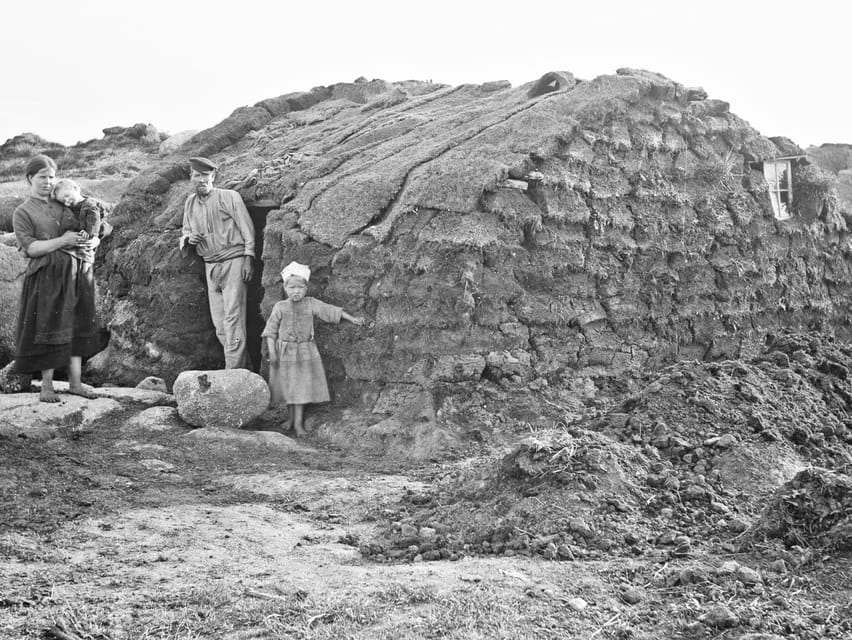
Ireland’s famine story is told here through original documents and personal objects, not only dates and general statements. In a series of small rooms, you follow the crisis step by step, from crop failure and hunger to workhouses, evictions, disease, coffin ships, death, and mass departure.
I like the self-paced format, which lets you pause over a newspaper or letter instead of keeping up with a guide. I also like the short overview film and the benches provided in each room. The main drawback is the exhibition’s modest scale: allow at least an hour, but do not expect a large museum with a full day of displays.
Key points
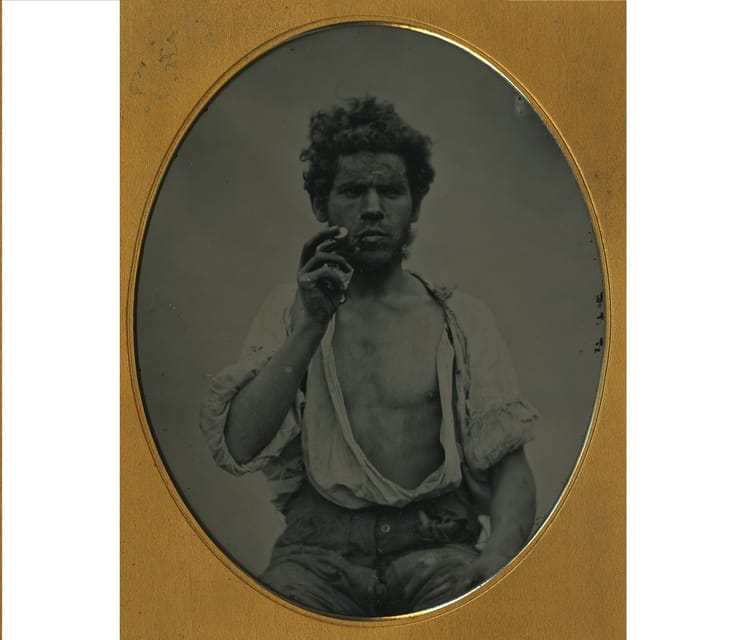
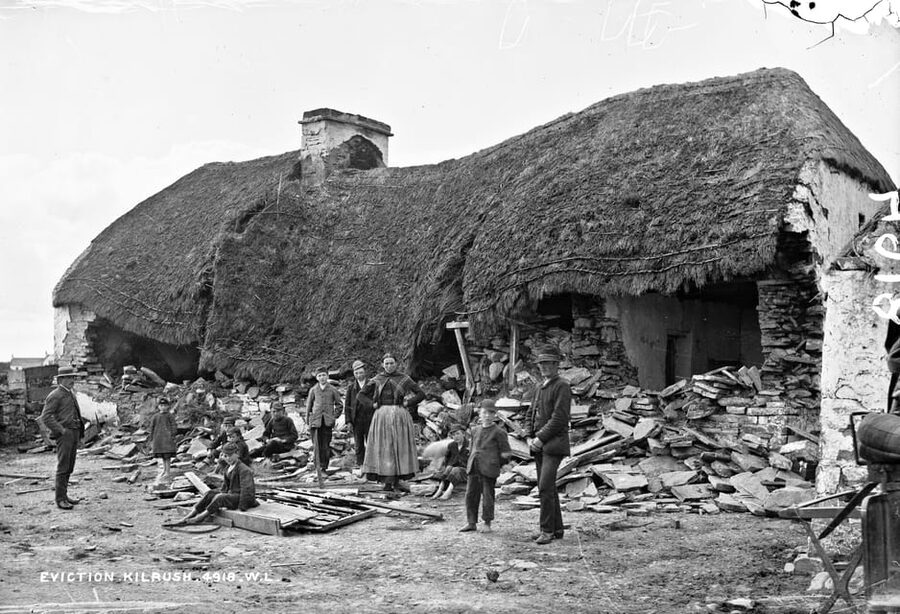
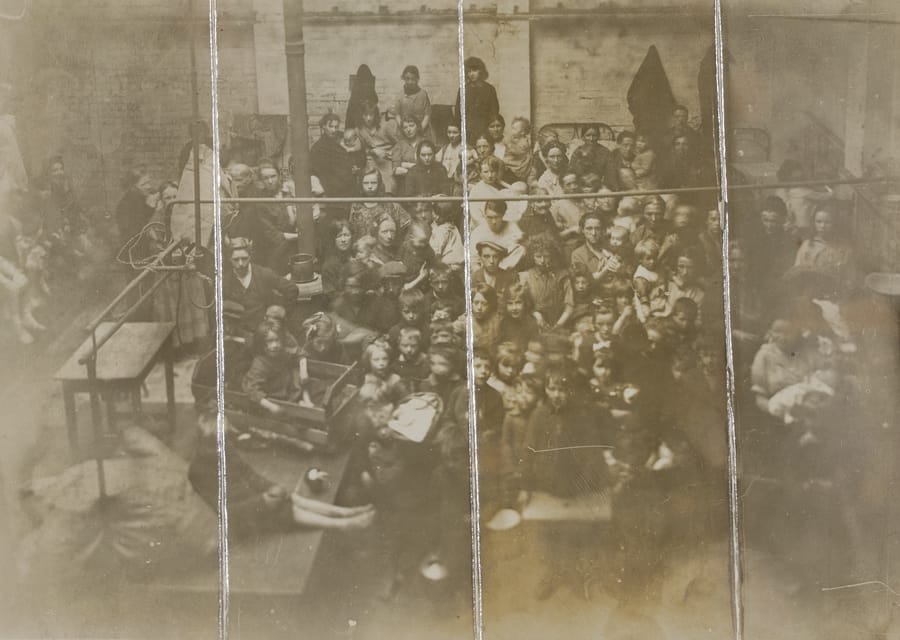
- Rare 19th-century photographs show Ireland during the famine period in a direct, often stark way.
- Two original newspapers and two personal letters give the story a human voice.
- An original cast iron soup pot connects the wider crisis to everyday survival.
- A 15-minute film offers a useful introduction before or after you read the storyboards.
- The exhibition is self-paced, with benches in each room and seating for the film.
- Entry costs $16 per person, and the ticket remains valid for 180 days after booking.
Why this small exhibition matters

The Irish Potato Famine was not simply a story about failed crops. It became a national disaster in which more than one million people died from starvation and disease, while millions more were forced to leave Ireland.
The word famine itself can be debated in this setting. Ireland was part of the British Empire, described here as the richest empire in the world at the time, and enough food existed in the country during the famine years. That raises the difficult question at the heart of the exhibition: how could so many people die when food was available?
You are not asked to absorb that question from a single wall panel. Instead, the exhibition builds the story in stages. That approach works well for anyone who knows only the basic outline, and it also gives more context to visitors who have already read about the period.
The subject is painful. You will encounter hunger, disease, forced removal, poor relief, dangerous sea journeys, and mass death. Still, the exhibition keeps the material organized and easy to follow. It does not require a lecture or a long museum visit to make its point.
More Museums in Dublin
- Irish Rock ‘N’ Roll Museum Experience Dublin
★ 5.0 · 6,112 reviews - The Little Museum of Dublin Famous Guided Tour
★ 5.0 · 2,948 reviews - Dublin EPIC Museum Admission Ticket
★ 4.5 · 1,729 reviews
Finding Unit 200b at Stephens Green
The exhibition is inside Stephens Green Shopping Centre, in Unit 200b on the top floor. If you enter from the main entrance on Grafton Street, look for the elevator about 20 metres inside on the right.
Take the elevator to the second floor and turn left. If you come in from the car park, the exhibition is at the opposite end of the shopping centre. The visit ends where it begins, so you do not need to arrange transport between sections or find a separate exit.
This city-centre setting is practical, but it may not feel like a traditional museum arrival. You are entering a shopping centre rather than a grand historic building. That is worth knowing before you go, especially if you are expecting a large national museum.
The exhibition is open every day from noon to 6 p.m. The ticket is valid for 180 days, with starting times subject to availability, so it can work well as a flexible stop during a Dublin sightseeing day. I would avoid treating it as a quick 20-minute add-on. Give yourself at least an hour.
Beginning with storyboards and a clear timeline
The main part of the visit takes place in several rooms lined with storyboards. These panels explain what happened in an easy-to-understand, step-by-step format, rather than assuming you already know the political and social background.
That structure is one of the exhibition’s strengths. The famine involved more than one event, and a short display can easily become confusing if it jumps between crop failure, relief, migration, and political responsibility. Here, the progression helps you see how the crisis developed and why its effects became so severe.
The storyboards cover the subjects you would expect, including workhouses, evictions, coffin ships, and disease. These words can sound familiar from history books, but the exhibition places them within the wider human cost of the famine.
Workhouses represent the harsh reality of seeking aid. Evictions show what happened to people who could no longer meet their obligations. Coffin ships point to the dangerous conditions associated with the sea journeys made by those trying to escape hunger and poverty. Disease followed weakness, overcrowding, and poor conditions.
You can move at your own speed. If a section needs more time, you can stop and read. If you already understand one part of the story, you can continue without waiting for a guide or group.
Rare photographs that make the period visible
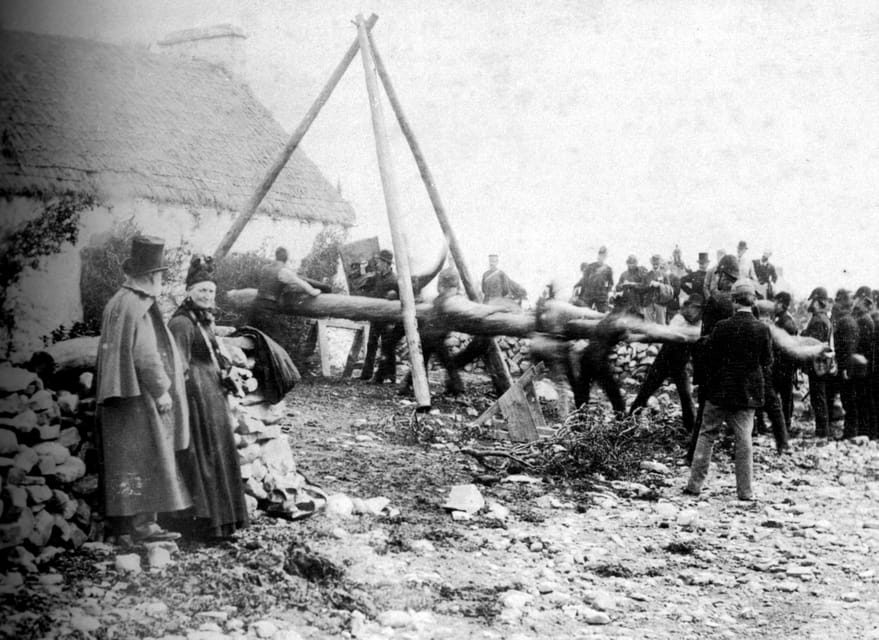
The exhibition includes rare 19th-century photographs of Ireland. Their value is simple: they give you visual evidence from the period, rather than a modern reconstruction or a polished museum scene.
Photography cannot show every year or every part of the famine, and the display is not presented as a complete photographic record. Still, these images help place the story in real communities and real surroundings. They can make the written descriptions of poverty and displacement easier to grasp.
I would take time with these photographs rather than rushing past them. The storyboards provide the explanation, but the images let you pause and consider the people and places behind the statistics.
The exhibition’s design suits this kind of material. Since you are walking through several rooms instead of following a fixed talk, you can spend longer with a photograph that catches your attention. Seating in each room also helps if you prefer a slower visit.
A different sort of day from the same base:
- Dublin to Cliffs of Moher, including Wild Atlantic Way and Galway
★ 5.0 · 23,331 reviews - From Dublin: Cliffs of Moher, Burren & Galway City Day Tour
★ 4.8 · 18,888 reviews - Dublin: Guinness Storehouse Entry Ticket
★ 4.6 · 16,863 reviews - Dublin to Cliffs of Moher, Burren, Wild Atlantic Way, Galway Tour
★ 5.0 · 12,924 reviews
Original newspapers and letters
Two original newspaper articles describing the catastrophe are on display. These are among the most useful objects in the exhibition because they show how the disaster was recorded at the time.
Newspapers give you a public view of the crisis. They can help connect the famine to the wider world of reporting, public debate, and political responsibility. The articles are not merely decorative old papers. They are surviving evidence from the period being discussed.
Two personal letters bring the story closer to individual lives. One is from a tenant to a landlord, while the other is from a father to his son. These letters shift the focus from national tragedy to personal relationships affected by hunger, rent, displacement, and separation.
I especially like that the objects include both public and private voices. The newspapers show how the catastrophe entered public life. The letters show how families and tenants had to communicate within a crisis that was larger than any one household.
Do not expect a large collection of original artifacts. The appeal here is the meaning of the selected pieces. Two newspapers, two letters, and one soup pot may sound like a small display, but they give the story physical weight.
The cast iron soup pot
An original cast iron soup pot is also displayed. It is a plain object, and that is exactly why it works.
A soup pot links public relief to daily survival. It helps you think about how food was prepared and distributed during a period when hunger was not an abstract problem but an immediate part of life. The object does not need a long explanation to make that connection.
This is not a hands-on museum. You will not handle the artifacts, and the experience is mainly based on reading, looking, and watching. But the soup pot gives the display a practical object that sits alongside the photographs, newspapers, and letters.
For me, the combination is more effective than a room of text alone. You see the period, read about it, encounter the words of people caught in it, and then see an ordinary item connected to feeding those in need.
Watching the 15-minute overview film
The exhibition includes a 15-minute overview film with seating. It gives you a short introduction to the main story and can be watched before you begin the storyboards or after you have read them.
If you know little about the Irish Famine, start with the film. It can give you a basic framework before you tackle the more detailed panels. If you already have background knowledge, watch it at the end as a quick recap.
The film is also useful for anyone who wants a break from reading. The exhibition provides a bench in each room, and there is seating for the film, so the visit does not require you to remain on your feet.
Do not expect a long cinema presentation or a full documentary program. At 15 minutes, the film is an introduction, not the entire experience. Its value is in making the subject easier to approach and helping you organize the information that follows.
A self-paced visit with useful seating
You should plan on roughly one hour, though the ticket information recommends allowing at least that long. The visit is not built around a guide’s fixed schedule, so you can take more or less time according to your interest.
That flexibility matters for a serious subject. Some people will want to read every storyboard and study the original material. Others may prefer the film, photographs, and selected documents. You can make the visit as focused or as detailed as your schedule allows.
A bench in each room is a thoughtful feature. The topic is emotionally heavy, and the ability to sit down gives you time to process what you are reading. It is also practical for anyone who finds a standing museum visit tiring.
The exhibition is wheelchair accessible. The elevator from the Grafton Street entrance provides access to the second floor, though you should still follow the stated route when you arrive.
What is included for the $16 price
Entry costs $16 per person. For that price, you receive access to the exhibition, the film, the original objects, and translation manuals in French, German, Italian, and French as provided in the activity information.
The ticket is good value if you want a focused introduction to the famine and prefer a self-guided visit. You are paying for a compact educational experience rather than a large museum complex with many galleries.
The value depends on your expectations. If you want an hour of clear background, original documents, rare photographs, and a film in central Dublin, the price is reasonable. If you want a major collection of artifacts, a live historian, or several hours of activity, this is not that kind of attraction.
Books and a USB stick are available to buy at the reception desk, but they are not included. The USB contains the storyboards in film format with suitable mood music, along with the 15-minute overview film. These may appeal if you want to revisit the material later, but they are optional purchases.
The ticket can be cancelled up to 24 hours in advance for a full refund, and you can reserve now while paying later. Those policies make it easier to fit the exhibition into a changing Dublin itinerary.
Who should make time for this exhibition
I would recommend this experience to you if you want historical context without committing to a half-day museum. It suits independent visitors, families with older children, students, and anyone preparing to visit places connected with Ireland’s famine story.
It is also a useful choice on a rainy day, since the exhibition is indoors and located in a central shopping centre. The self-paced setup means you do not need to coordinate with a tour group or arrive for a long guided presentation.
You should think twice if you are looking only for cheerful sightseeing. This is a difficult subject, and the exhibition focuses on suffering, death, displacement, and the decisions that shaped the crisis.
It may also feel too small if you prefer large museums with many objects and elaborate displays. The strongest material here is concentrated in the storyboards, photographs, film, letters, newspapers, and soup pot. The visit works because those elements are selected to tell a direct story, not because the collection is large.
Should you book the Irish Famine Exhibition?
Book it if you want a concise, serious, self-paced introduction to one of the defining disasters in Irish history. The rare photographs, two original newspaper articles, personal letters, and cast iron soup pot give the subject more force than a basic text-only display.
I would set aside one hour, arrive with enough time to read, and use the film either as your introduction or your final recap. At $16, it is a fair choice for a central Dublin stop, especially if you value clear explanation over spectacle.
Skip it if you are looking for a large museum, a live guide, or an extended attraction. For everyone else, this is a useful and respectful way to understand what happened, and why the Irish Famine remains such a painful and contested part of Ireland’s story.
FAQ
Where is the Irish Famine Exhibition located?
It is in Unit 200b on the top floor of Stephens Green Shopping Centre in Dublin. From the Grafton Street main entrance, take the elevator about 20 metres inside on the right to the second floor, then turn left.
How long should I allow for the visit?
Allow at least one hour. The exhibition is self-paced, so you can spend longer reading the storyboards and examining the photographs and original objects.
What are the opening hours?
The exhibition is open every day from 12 p.m. to 6 p.m.
What does the entry ticket include?
The ticket includes entry to the Irish Famine Exhibition, the displays, the 15-minute overview film, and translation manuals in French, German, and Italian.
Are books or USB materials included?
No. A book and USB stick are available to purchase separately at the reception desk.
Is the exhibition wheelchair accessible?
Yes, the activity is wheelchair accessible.
Can I cancel the booking?
Yes. You can cancel up to 24 hours in advance for a full refund. The ticket is also valid for 180 days, with starting times subject to availability.
Recently added around Dublin
- Dublin: Pub Tour. Pour The Perfect Guinness, Whiskey & Music★ 5.0 · 3 reviews
- Waterford Crystal and Kilkenny Full-Day Rail Tour from Dublin★ 5.0 · 3 reviews
- Cliffs of Moher and The Burren Private Tour from Dublin★ 5.0 · 3 reviews
- Private Chauffeur Service From Dublin Airport to Killarney★ 5.0 · 3 reviews
- A Self Guided Walking Tour of Dublin’s Docklands★ 4.5 · 3 reviews
- Beautiful Southwest Tour 2022★ 5.0 · 3 reviews
- Dublin One Day Tour with a Local: 100% Personalized & Private★ 4.5 · 3 reviews
- Ireland: 3-Day West Coast Explorer Tour★ 5.0 · 3 reviews
Dublin Tours, compared.

Dublin to Cliffs of Moher, including Wild Atlantic Way and Galway
Read our review →
Cliffs of Moher, Burren & Galway City Day Tour
Read our review →

Dublin to Belfast Black Cab, Dunluce Castle and Giant’s Causeway
Read our review →
Kilkenny, Wicklow Mountains & Glendalough Day Tour from Dublin
Read our review →
Wicklow Mountains, Glendalough & Kilkenny Tour
Read our review →

Dublin Highlights and Hidden Gems Guided Walking Tour
Read our review →Browse the lists this tour appears in