
Reviewed · DUBLIN TOURS
Dublin: Mythology, Folklore and Legends Walking Tour
Dublin’s streets carry more than Georgian façades and pub signs. This mythology and folklore walk links Temple Bar, the Georgian Quarter, and O’Connell Street with stories of fairies, ancient warriors, grave robbing, rebellions, and the Gaelic revival. I like that it treats storytelling as part of Irish culture, not as a few decorative tales added to a standard city tour.
I especially like the lesser-known stops and the way guides such as Helena, Emily, Lee, and Dave make the material easy to follow. I also like the pace: several longer stops give you time to listen, rest, and ask questions rather than march through Dublin at speed.
The main consideration is that this is a story-led walk, not a full architectural or political history tour. If you want interiors, museum visits, or a long list of major sights, this will feel light on formal sightseeing.
Key points to know before you book
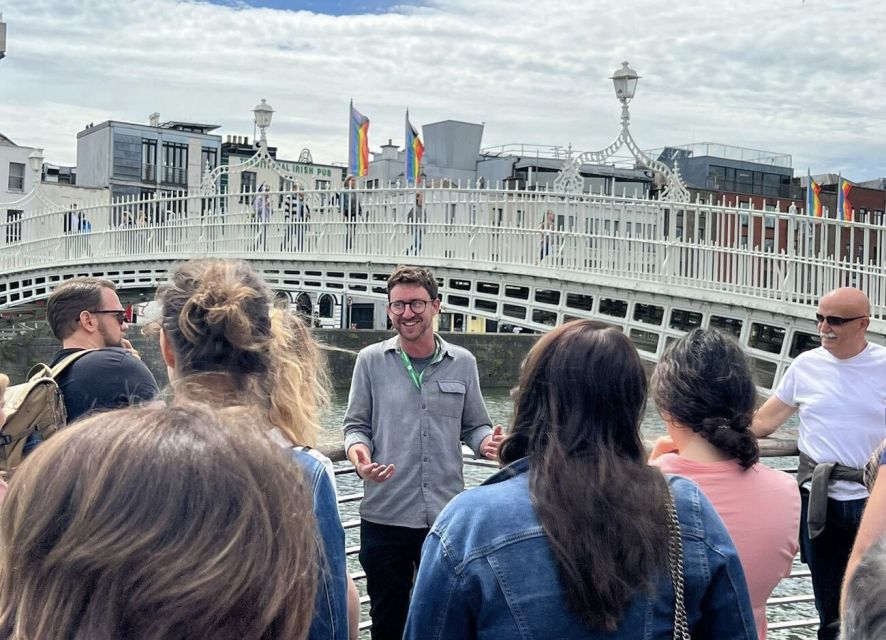
- Celtic origins come first: The tour begins in Temple Bar with Ireland’s mythical beginnings and older Celtic beliefs.
- Banshees, púcas, and leprechauns: You hear how famous Irish creatures fit into folklore rather than receiving only the usual postcard versions.
- Dublin’s darker Georgian stories: Rebellions, grave robbing, and revolutions give the Georgian Quarter a more unsettling character.
- The Abbey Theatre has a tragic chapter: The route connects the theatre with the difficult stories surrounding its past.
- Modern Ireland remains part of the tale: The walk ends with Gaelic language revival and contemporary street characters on O’Connell Street.
- Easy two-hour format: It is long enough to add context to central Dublin, but short enough to fit into a busy sightseeing day.
Starting beneath the green umbrella in Temple Bar
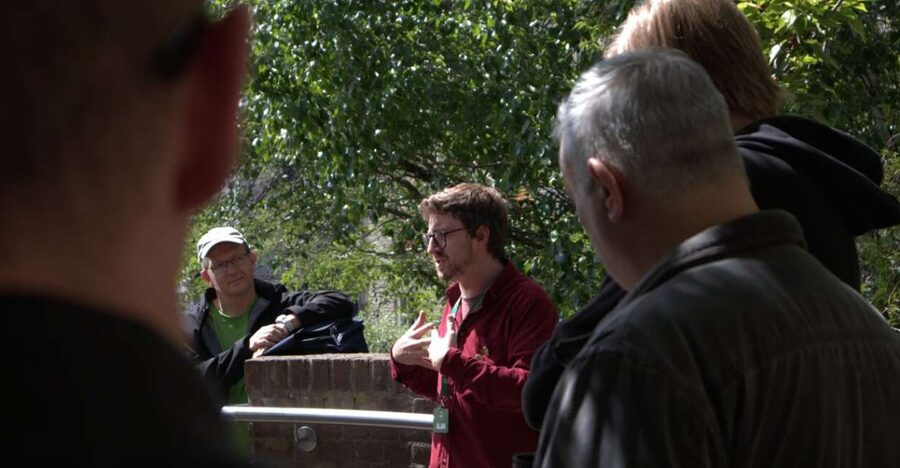
Meet outside The Old Storehouse pub in Temple Bar, looking for the green umbrella. This is a practical starting point because Temple Bar is easy to reach and already sits at the heart of central Dublin, though the area can be crowded and noisy.
The tour uses Temple Bar as more than a photo stop. Here, your guide introduces Ireland’s mythical origins and the beliefs that grew from Celtic culture. You will begin to see how stories about supernatural beings, warriors, and the land itself helped shape ideas of Irish identity.
I appreciate this opening because it gives you a frame for everything that follows. Instead of hearing isolated tales, you get a sense of how folklore can carry memory across generations. The emphasis is on storytelling and cultural meaning, not on pretending that every legend is a literal historical record.
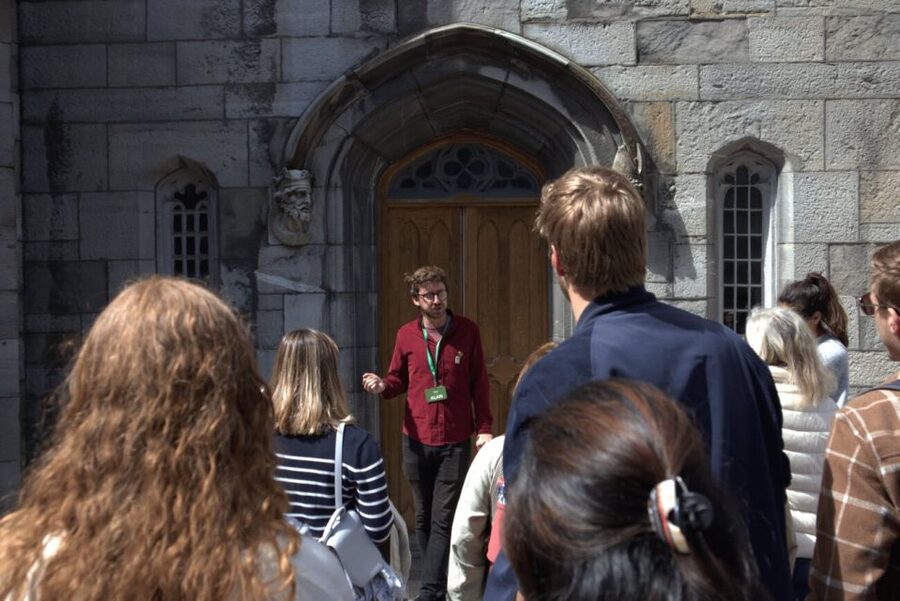
Your guide may be Helena, Emily, Lee, or Dave. The exact guide is not fixed in the information provided, but the experience is led in English by a fully accredited local folklore expert. The strongest part of the guiding style is its energy. Helena is especially lively and warm, while Emily is praised for clear storytelling and links between older folklore and present-day Irish life. Lee and Dave bring humor and an easy manner that works well for families and mixed-age groups.
More Walking Tours in Dublin
- Dublin Highlights and Hidden Gems Guided Walking Tour
★ 5.0 · 6,020 reviews - Dublin: Highlights and Hidden Gems Walking Tour
★ 4.9 · 2,140 reviews - 1916 Rebellion Walking Tour
★ 5.0 · 1,605 reviews
Fairies, púcas, banshees, and the Irish imagination
The central part of the walk explores fairies and supernatural creatures in Irish folklore. The banshee, púca, and leprechaun all appear, but the point is not simply to collect familiar names.
You will hear about the place these figures occupy in Irish and Gaelic storytelling. That makes the experience more useful than a standard explanation of leprechauns for souvenir shoppers. The stories give you a better sense of how oral tradition can preserve warnings, fears, humor, and ideas about the unseen world.
The púca is especially interesting because it does not fit neatly into the cheerful tourist image of Irish folklore. The banshee brings a darker tone, while fairies can be far less sweet and harmless than modern children’s stories suggest. I like this change of mood. It keeps the tour from becoming a parade of cute legends.
The ancient warriors add another layer. Their stories connect mythology with heroic ideals and national memory. Your guide explains these tales in a way that helps you see why legends can matter even when they are not used as conventional history.
This section depends heavily on the guide’s delivery. The streets themselves may not provide a dramatic visual spectacle at every stop, so you need to enjoy listening, imagining, and following a story. If you prefer a tour packed with grand buildings and interior visits, you may find the focus too verbal.
Finding the less familiar side of central Dublin
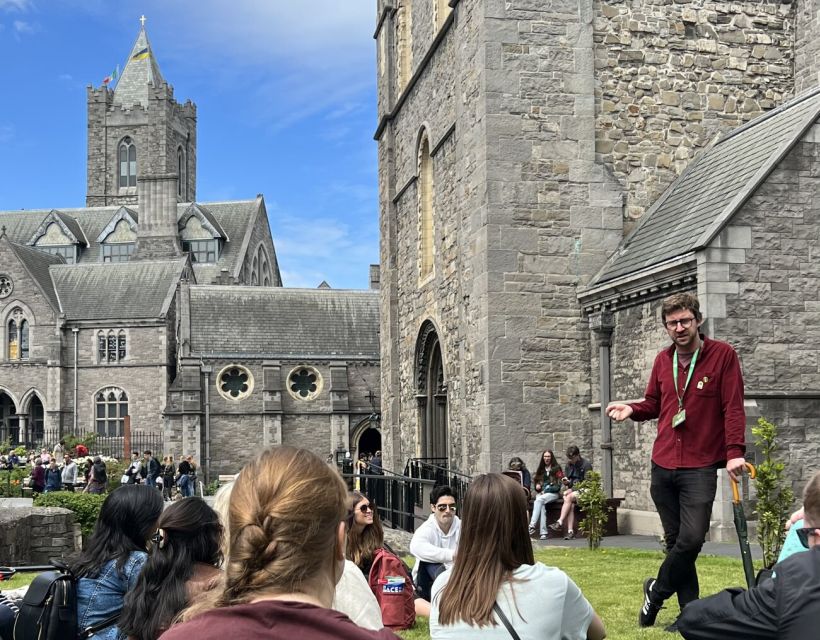
One of the best reasons to book this walk is the route away from the most familiar tourist circuit. You still see places such as Temple Bar and O’Connell Street, but the guide uses them as doorways into stories rather than simply pointing out their most photographed features.
That approach helps you look at central Dublin differently for the rest of your trip. A street becomes connected to a legend. A well-known district gains a macabre story. A public space becomes part of a longer account of cultural change.
The route includes several stops, and the walk is broken up by time to stand and listen. This matters after a long day on your feet. The two-hour length is manageable, and the pacing has been described as comfortable for people with tired legs as well as for younger children.
The group size can vary, but one particularly pleasant format is a small group, where it is easier to ask questions and speak with the guide between stops. The supplied details do not promise a fixed group size, so I would not book expecting a private tour. Still, the guides are used to keeping people involved, and the stops help prevent the experience from feeling like a nonstop march.
The Georgian Quarter’s grave robbers and rebels
The Georgian Quarter brings a sharper, more unsettling mood. Here the stories turn toward rebellions, grave robbing, and revolutions. This is a good reminder that Dublin’s past is not only made up of literary charm and handsome streets.
I like this section because it connects folklore with anxiety and conflict. Stories often survive because they help people make sense of frightening events. Tales of the dead, the restless, and the dangerous can sit alongside accounts of rebellion and political upheaval, giving a street a human edge that a quick photo stop misses.
The guide’s job is to keep these subjects engaging without flattening them into spooky entertainment. Based on the style associated with Helena, Emily, Lee, and Dave, you can expect humor alongside darker material. That balance seems to be a major strength of the tour. The jokes keep the mood light, while the stories still have enough weight to be memorable.
Do keep in mind that the tour does not promise entry into Georgian buildings or private sites. You experience this part from the streets, with the guide’s narration supplying much of the detail. Wear comfortable shoes, but you do not need to prepare for a strenuous hike.
A different sort of day from the same base:
- Dublin to Cliffs of Moher, including Wild Atlantic Way and Galway
★ 5.0 · 23,331 reviews - From Dublin: Cliffs of Moher, Burren & Galway City Day Tour
★ 4.8 · 18,888 reviews - Dublin: Guinness Storehouse Entry Ticket
★ 4.6 · 16,863 reviews - Dublin to Cliffs of Moher, Burren, Wild Atlantic Way, Galway Tour
★ 5.0 · 12,924 reviews
The Abbey Theatre and the cost of cultural revival
The Abbey Theatre receives its own tragic story during the walk. The information does not spell out every detail in advance, which is probably wise. This stop works best when the guide can tell the story in full rather than reduce it to a short booking-page summary.
The Abbey matters because it sits at the meeting point of performance, language, folklore, and national identity. The theatre’s story helps show how old tales were not merely preserved in books. They could be reshaped for the stage and used in the wider effort to define Irish culture.
This is where the walk moves beyond supernatural creatures. You begin with fairies and warriors, then arrive at questions about who gets to tell a nation’s stories and how those stories change when Ireland’s cultural identity is under pressure.
For me, that is the most useful thread in the tour. Mythology is not treated as a sealed-off ancient subject. It remains connected to theatre, language, public memory, and the way Dubliners understand their city.
Finishing on O’Connell Street with the Gaelic revival
The tour ends back at the meeting point after reaching O’Connell Street, where the guide introduces the revival of Gaelic language and culture. This gives the walk a clear arc: mythical origins, supernatural folklore, darker urban stories, cultural institutions, and modern national identity.
O’Connell Street is also a fitting place to finish because the tour brings the past into present-day Dublin. You meet contemporary street characters and hear how storytelling still appears in everyday city life. The experience does not leave folklore in a distant Celtic past.
Emily’s guiding style is especially suited to this part. She connects earlier traditions with present-day examples, including stories linked with Gay Pride and HIV awareness. That detail shows how folklore can be understood as a living way of sharing community memory, not just a collection of old legends.
The ending also makes the tour useful at the start of a Dublin visit. You leave with ideas that can inform the rest of your sightseeing. Even if you later take a more conventional city tour, you may notice how language, performance, public monuments, and local characters fit into the larger story of Irish identity.
How much walking and listening should you expect?
The activity lasts two hours and includes several stops. The route is designed as a city walk, but the emphasis is on standing or pausing while the guide tells stories. It is not presented as a strenuous hike.
People with aching feet may appreciate the longer stops. The experience is also suitable for young children, particularly if they enjoy spooky tales, heroes, and creatures. Some material involving death, rebellion, and grave robbing may be too dark for very young children, so parents should judge their own family’s comfort level.
The tour is wheelchair accessible. You should still allow for normal city conditions such as pedestrians, street noise, and the practical limits of walking through central Dublin, but accessibility is listed as part of the activity.
English is the tour language, and the guide is live rather than recorded. That makes questions possible and lets the guide adjust the mood or pace of the group.
The guide makes or breaks this experience
Any folklore walk depends on the person telling the story. Here, the guide is not just a person who points out buildings. The best guides use voice, timing, humor, and small details to make an ordinary street feel charged with possibility.
Helena is described through the experience as enthusiastic, funny, welcoming, and especially strong at presenting material in an entertaining way. She also pays attention to the group’s energy and ability, stopping at places where people can rest while listening.
Emily brings warmth and strong storytelling, with a useful habit of showing how folklore affects modern communities. Lee has an informal, friendly approach and keeps the atmosphere relaxed. Dave combines humor with practical Dublin tips, which can be handy if you want suggestions for affordable places to visit after the walk.
You cannot choose a particular guide from the details provided, so it is best to book for the subject and format rather than one individual. Still, the range of guide styles is encouraging. The common thread is a clear passion for the material and a willingness to answer questions.
Is $27 a fair price?
At $27 per person, the tour offers a reasonably priced two-hour introduction to a subject that most standard Dublin sightseeing walks barely touch. You are paying for a live guide, a carefully shaped route, and interpretation that turns familiar streets into story settings.
The value is strongest if you enjoy history, oral tradition, literature, or unusual city tours. It is also useful for a first day in Dublin because it gives you a different way to read the center of town. You may also pick up practical suggestions about getting around or places to visit, depending on your guide.
The value is weaker if you want admission to attractions, food, transportation, or hotel pickup. None of those are included. This is simply a guided walking tour, so you should be comfortable meeting at the starting point and making your own way there.
Free cancellation is available up to 24 hours before the start time, and you can reserve now and pay later. Those terms help if your Dublin plans are still shifting. Check availability for the exact starting time before booking.
Who should book this Dublin folklore walk?
I would recommend it to you if you have already seen the main Dublin sights and want a fresh angle. It also works well as an opening activity because it helps connect later visits to the city’s language, theatre, monuments, and public stories.
Families may enjoy the mixture of humor, creatures, and ancient warriors, though parents should remember that the Georgian Quarter section includes macabre subjects. The walk suits solo visitors and couples too, especially if you prefer a guide who tells stories rather than recites dates.
It is less suitable if you want a detailed political timeline, a building-by-building architectural tour, or museum access. It will not replace a classic introduction to Dublin, but it complements one very well.
Final verdict: book it for the stories
Book this tour if you want Dublin to feel less like a set of sights and more like a city shaped by memory, myth, language, and performance. The strongest reasons are the engaging guides, the comfortable two-hour pace, and the unusual mix of Celtic creatures, Georgian darkness, the Abbey Theatre, and modern Irish culture.
Skip it if folklore is not your interest or if you want a tour built around interiors and major monuments. For $27, though, this is a focused and distinctive way to add another layer to central Dublin, especially at the beginning of your stay.
FAQ
Where does the mythology walking tour start?
Meet outside The Old Storehouse pub in Temple Bar. Look for the green umbrella.
Where does the tour finish?
The activity ends back at the meeting point.
How long does the tour last?
The walking tour lasts two hours. Check availability for the available starting times.
What language is the tour conducted in?
The live tour is conducted in English.
Is the tour wheelchair accessible?
Yes, the activity is listed as wheelchair accessible.
Can I cancel the booking?
Yes. You can cancel up to 24 hours in advance for a full refund. You can also reserve now and pay later.
Recently added around Dublin
- Dublin: Pub Tour. Pour The Perfect Guinness, Whiskey & Music★ 5.0 · 3 reviews
- Waterford Crystal and Kilkenny Full-Day Rail Tour from Dublin★ 5.0 · 3 reviews
- Cliffs of Moher and The Burren Private Tour from Dublin★ 5.0 · 3 reviews
- Private Chauffeur Service From Dublin Airport to Killarney★ 5.0 · 3 reviews
- Beautiful Southwest Tour 2022★ 5.0 · 3 reviews
- A Self Guided Walking Tour of Dublin’s Docklands★ 4.5 · 3 reviews
- Dublin One Day Tour with a Local: 100% Personalized & Private★ 4.5 · 3 reviews
- Ireland: 3-Day West Coast Explorer Tour★ 5.0 · 3 reviews
Dublin Tours, compared.

Dublin to Cliffs of Moher, including Wild Atlantic Way and Galway
Read our review →
Cliffs of Moher, Burren & Galway City Day Tour
Read our review →
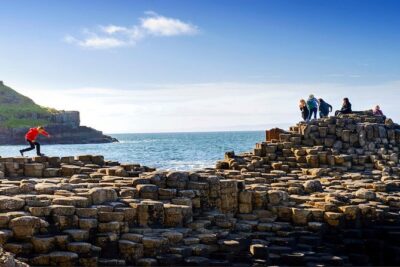
Dublin to Belfast Black Cab, Dunluce Castle and Giant’s Causeway
Read our review →
Kilkenny, Wicklow Mountains & Glendalough Day Tour from Dublin
Read our review →
Wicklow Mountains, Glendalough & Kilkenny Tour
Read our review →
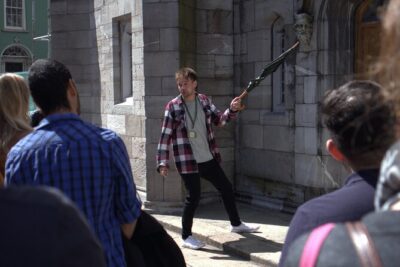
Dublin Highlights and Hidden Gems Guided Walking Tour
Read our review →Browse the lists this tour appears in