
Reviewed · DUBLIN TOURS
Dublin to Newgrange, Monasterboice Small Group Guided Tours
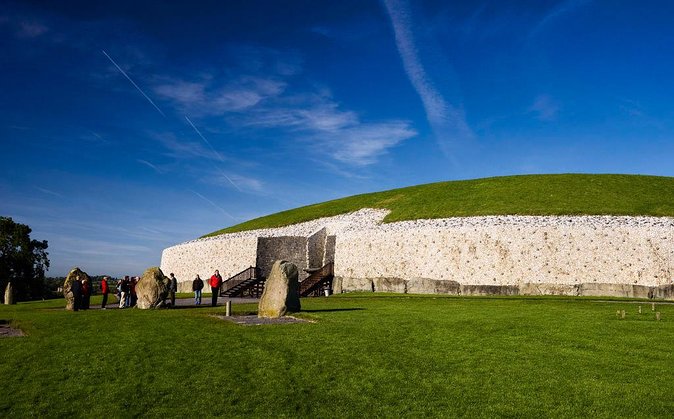
Newgrange is the star here: a 5,000-year-old passage tomb built with such care that sunlight reaches its inner chamber at the winter solstice. This Dublin day trip also adds Monasterboice and the Battle of the Boyne, giving you three very different slices of Irish history without renting a car.
I like the round-trip transport and the amount you see in one day. Guides such as Matt and Kevin are often praised for lively commentary, good timing, and keeping people informed as the day unfolds. The main drawback is the length: eight hours is a full outing, and the final stops may feel less exciting after Newgrange.
Key points
- Newgrange entry is included, including access to the Brú na Bóinne site.
- The winter-solstice alignment makes Newgrange more than a pile of ancient stones.
- Small mini coach transport saves you the trouble of driving and navigating rural County Meath.
- Seasonal routing can change, with Knowth sometimes replacing the Battle of the Boyne stop and Mellifont Abbey occasionally added.
- Monasterboice has Ireland’s finest high crosses, including the 5.5-metre Muiredach’s Cross.
- The tour can reach 29 people, so small group means smaller than a large coach, not an intimate private tour.
Why Newgrange is worth the trip from Dublin
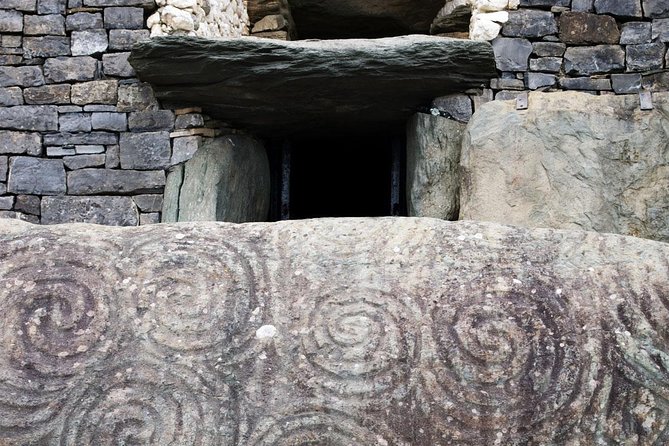
Ireland has no shortage of old ruins, but Newgrange feels different. It was built during the Neolithic period, long before Stonehenge and the pyramids, as a burial site and place of worship. Its builders created a huge circular mound with a narrow passage leading to an inner chamber.
The clever part is the alignment. At the winter solstice, sunlight travels through a roof box above the entrance and briefly reaches the chamber inside. You do not need to visit in December to understand the feat. The site uses a lighting simulation so you can see how the sun enters the tomb.
That moment gives the visit its force. Newgrange is not simply an ancient monument to photograph from outside. You enter the passage and chamber with a site guide, hear how the structure works, and get a sense of the planning required to build it.
You should allow plenty of time here. The schedule gives Newgrange about three hours, which includes the transfer within the Brú na Bóinne visitor area, the site experience, and time to look around. This is the part of the day where the extra time matters most.
The entrance fee is included, which is important. Newgrange visits require timed access, and arranging this independently from Dublin can be awkward without a car. The tour removes that extra planning and links your admission to the day’s transport.
More Small Group Tours in Dublin
- Dublin to Powerscourt, Wicklow and Glendalough Small Group Tours
★ 4.5 · 774 reviews - Dublin to Wicklow, Glendalough Small Group Tour with Horse Riding
★ 4.5 · 522 reviews - (Small Group) Cliffs of Moher and Castle Tour from Dublin
★ 4.5 · 320 reviews
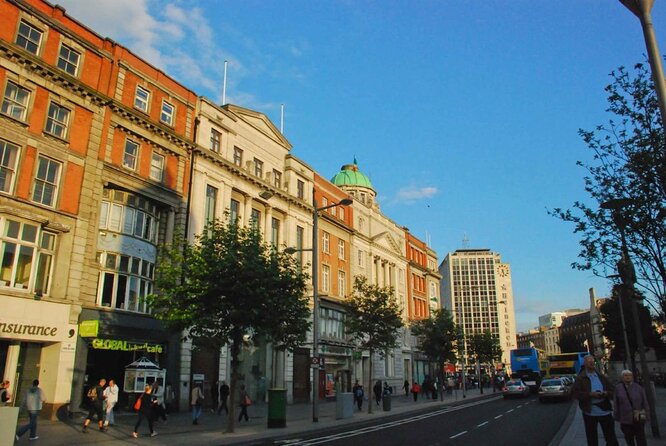
Meeting at the Molly Malone statue
The tour begins at 9:00 a.m. beside the Molly Malone statue on Suffolk Street in Dublin 2. This is a central meeting point near public transportation, but you should arrive early. The group leaves from the meeting area, and the departure is not designed around late arrivals.
One piece of practical advice is especially important: do not assume the vehicle will wait several minutes after nine. The pickup area is associated with the statue, while the coach may depart from nearby, so pay close attention to the meeting instructions and arrive with time to spare.
From Dublin, the route heads toward the Boyne Valley. Your guide provides the setting for the day, explaining why this part of County Meath contains such a concentration of ancient monuments. The drive also gives you a chance to settle into the outing before the first major stop.
The vehicle is a small, comfortable mini coach rather than a full-size tour bus. The advertised maximum is 29 people. That is a useful middle ground: you get easier boarding and a less crowded vehicle than a large coach, though a group of 25 or more will not feel like a private tour.
Three hours at Newgrange and Brú na Bóinne
The Brú na Bóinne area is a UNESCO World Heritage Site, and Newgrange is its best-known monument. The site is built from large stones and covered by a broad grass-covered mound. Inside, the passage narrows as you move toward the central chamber.
The official site guides handle the visit inside Newgrange. That distinction matters. Your driver-guide may explain the wider setting and help you reach the correct place, but the monument itself has its own guided presentation. The site staff are also responsible for explaining the solstice lighting effect and the rules for entering the chamber.
Bring a camera for the surrounding views, but remember that the interior is the real prize. Photography conditions inside may be limited, and the passage is not a place to linger indefinitely. The experience works best if you listen closely and let the guide explain the engineering.
The ground around the visitor facilities can be wet, especially in poor weather. Rain gear is recommended, and climate-appropriate clothing is not optional in Ireland. A cool, rainy day can make the walk between transport and the monument uncomfortable if you arrive in ordinary city clothes.
One seasonal point deserves attention. Knowth, another major monument in the Brú na Bóinne area, may be included from March through October. In winter, it may not be open, so the tour can focus on Newgrange instead. Check the exact schedule for your date rather than assuming Knowth is guaranteed.
This seasonal variation can affect the character of the day. Newgrange alone is a strong reason to book, but a spring-to-autumn visit may give you a broader look at the Boyne Valley monuments.
The Battle of the Boyne at Oldbridge
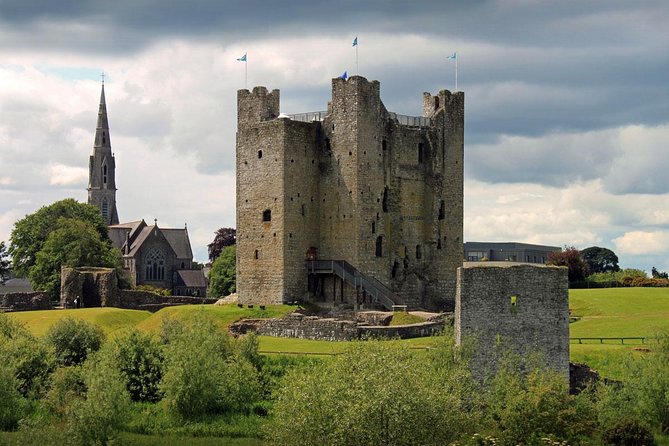
The next planned stop is Oldbridge Estate and the Battle of the Boyne Visitors Centre, with about 90 minutes available. The Battle of the Boyne took place in 1690 and involved the Catholic King James II and William of Orange, the Protestant king of Holland who claimed the English throne.
The battle had consequences far beyond one military clash. It helped shape political power in Ireland and Britain, and July 12 remains an important date for the Loyalist community in Northern Ireland. The site also connects to the displacement of Irish Celtic culture and the long political struggles that followed.
You can choose to pay at the entrance for the self-guided visitor experience. The tour package does not include admission here, so bring that extra cost if you want to go inside. The grounds and surrounding setting can still be part of the visit, but the full interpretation requires separate payment.
This is the least certain part of the day in terms of appeal. If your main interest is prehistoric Ireland, the Battle of the Boyne may feel less compelling than Newgrange. Some departures have changed the routing, dropping Oldbridge and using the time for Knowth instead. On other days, the battlefield remains part of the plan.
That flexibility can work in your favor, but it also means you should treat the published route as a framework rather than an unchangeable promise. Your guide should explain any alteration and tell you what to expect before the group leaves Dublin.
More Newgrange and Boyne Valley days:
- Celtic Boyne Valley & Ancient Sites Day Tour From Dublin
★ 4.5 · 865 reviews - Dublin: Boyne Valley with Newgrange and Bru Na Boinne Entry
★ 4.7 · 635 reviews - From Dublin: Celtic Boyne Valley and Ancient Sites Tour
★ 4.5 · 618 reviews - 6 hour Half-Day Award Winning Private Tour of the Boyne Valley
★ 5.0 · 75 reviews
Monasterboice and Ireland’s high crosses
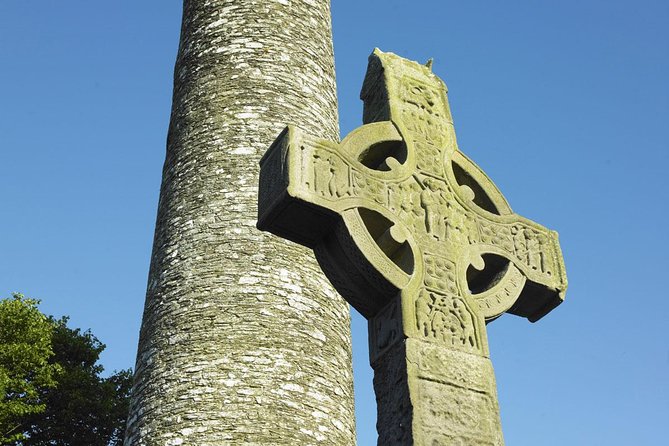
Monasterboice is a small but powerful stop. The monastic site was founded in the fifth century by St Buithe, and its name means monastery of Buithe. The remains include two fourteenth-century churches, a round tower, and three tenth-century high crosses.
The round tower rises about 28 metres and remains in very good condition. It was probably built shortly after 968 and was damaged by fire in 1098. Even from outside, it gives you a clear sense of how important the monastery once was.
The high crosses are the real reason to stop. These are not plain stone markers. Their carved panels show scenes from the Old and New Testaments, creating a stone picture book for a medieval community.
Muiredach’s High Cross is the showpiece. It is about 5.5 metres tall and is named for Muiredach mac Domhnaill, an abbot who died in 923. The carvings are among the finest examples of Ireland’s early Christian art.
You get about 40 minutes here. That is enough to walk among the remains, study the crosses, and take photographs, but not enough for a slow archaeological visit. The cemetery and ruins are open-air, so muddy paths and changing weather are part of the deal.
Monasterboice also provides a useful contrast with Newgrange. At Newgrange, you are looking at prehistoric planning and ritual. At Monasterboice, you are looking at Christian art, monastic life, and medieval stonework. The two stops are separated by thousands of years, but together they show how Ireland’s sacred places changed over time.
Optional additions such as Knowth and Mellifont Abbey
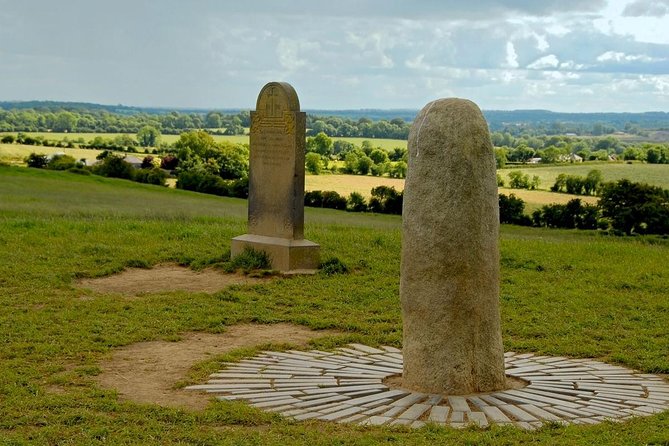
The route has some room for local judgment. Knowth may be added during the March to October season, while winter access may not be available. If Knowth is included, you get a fuller look at the Brú na Bóinne complex and more time with prehistoric monuments.
Mellifont Abbey has also been used as an extra stop on some departures, particularly in place of another part of the route. The ruined abbey offers another kind of historical setting, with stone remains and a quieter atmosphere.
These additions are not guaranteed, so do not book this trip solely for them. Think of them as possible bonuses when weather, opening hours, and the day’s timing allow. The core promise is Newgrange, transport from Dublin, and the Boyne Valley stops.
A strong guide can make these changes work well. Matt is repeatedly singled out for clear historical explanations, humor, and keeping the group updated about the order of the day. Kevin is also praised for an engaging style and for explaining what to expect at Newgrange. Richard is noted for keeping the schedule organized while providing commentary on the road.
The quality of the day depends partly on who is guiding it. Most of the guide feedback is very positive, but the standard is not perfectly uniform. One account described a guide who offered little commentary and gave limited preparation for the site visits. Another raised concern about an inaccurate and offensive comment concerning the Famine.
That is worth keeping in mind. Local guides can add color and folklore, but they are not always formal historians. If a historical subject matters deeply to you, listen carefully at the official sites and treat casual roadside commentary with sensible judgment.
What the $102.79 price really covers
At $102.79 per person, this is not the cheapest way to spend a day outside Dublin. It can still be good value if you would otherwise need to rent a car, pay for fuel, navigate rural roads, arrange Newgrange admission, and manage timed entry.
The price includes the mini coach, a qualified local guide, and entrance to Newgrange and Brú na Bóinne. It does not include food, drinks, hotel pickup, hotel drop-off, or admission to the Battle of the Boyne visitor experience.
Plan to buy or bring lunch and water. Food is not included, and one account found the snack-bar food below par. You will have a long day away from Dublin, so do not count on the included package to cover meals.
The tour is especially useful if you are staying in central Dublin and do not want to drive. It begins and ends at the Molly Malone statue, so you need to reach the meeting point yourself. That is less convenient than hotel pickup, but it keeps the operation simpler and the price more contained.
The rating is currently 4.7 from 500 reviews, with 92 percent recommending it. Those figures point to a dependable experience, though they do not erase the practical limits: a potentially large small group, variable commentary, and a packed route.
Is eight hours too long?
For most people interested in Irish history, the length is justified by the distance and the number of sites. You leave Dublin in the morning, spend substantial time at Newgrange, then add two very different historical stops before returning to the city.
Still, this is not a relaxed countryside outing. The schedule asks you to move on after each visit, and the final stops may feel like extras after the main event. One sensible way to view the day is to reserve your best energy for Newgrange, then treat Oldbridge and Monasterboice as shorter historical chapters.
You should also expect time outdoors. Rain gear is recommended, and a camera is listed among the useful items to bring. Wear practical shoes and clothing suited to changing weather, even if Dublin begins bright and dry.
Most people can take part, and the tour is near public transportation at its meeting point. The available information does not promise hotel pickup, drop-off, or special mobility arrangements, so confirm any specific access needs before booking.
Who will enjoy this Boyne Valley tour?
I would choose this trip if you want to see Newgrange but do not have a car. It is also a good fit for solo visitors, since the shared transport and fixed schedule remove much of the planning work.
History fans will get the most from it. You move from Neolithic ritual to the politics of 1690 and then to early Christian art. Families with older children may also like the variety, though younger children could find the long day and several historical explanations tiring.
This is less suitable if you want only Newgrange. A private visit or a shorter transfer would give you more control, while this outing deliberately adds several stops. It is also not ideal for anyone who dislikes fixed departure times or changing plans.
The best departures are likely those led by a guide who explains the day clearly from the start. Matt, Kevin, and Richard are names associated with especially strong guiding on this route, but guide assignments can vary. Pay attention to the briefing, keep track of the meeting times, and ask questions when you need to know what happens next.
Should you book it?
Book this tour if Newgrange is high on your Ireland list and you want a practical way to reach it from Dublin. The included Newgrange admission and round-trip transport do much of the hard work, while Monasterboice adds an excellent view of Ireland’s carved high crosses.
Go in knowing that the tour is long, the group can approach 29 people, meals are your responsibility, and the Oldbridge stop may not be as exciting to you as the prehistoric sites. If you visit between March and October, ask whether Knowth is included. If the route changes, Mellifont Abbey may be added instead.
For a first visit to the Boyne Valley without a car, I think the package makes sense. Newgrange is the reason to go, and the other stops turn a single monument visit into a broader day of Irish history.
FAQ
Where does the tour start?
It starts at the Molly Malone statue on Suffolk Street, Dublin 2, D02 KX03, Ireland.
What time does the tour leave Dublin?
The scheduled start time is 9:00 a.m.
Does the tour return to Dublin?
Yes. The activity ends back at the Molly Malone statue meeting point.
Is Newgrange admission included?
Yes. Entrance to Newgrange and Brú na Bóinne is included in the tour price.
Is food included?
No. Food and drinks are not included, so you should plan for your own meals and refreshments.
Can the tour be canceled because of weather or low numbers?
Yes. If poor weather causes a cancellation, you will be offered another date or a full refund. If the minimum number of participants is not reached, you will be offered another date or experience, or a full refund. Free cancellation is available up to 24 hours before the start time.
Recently added around Dublin
- Dublin: Pub Tour. Pour The Perfect Guinness, Whiskey & Music★ 5.0 · 3 reviews
- Waterford Crystal and Kilkenny Full-Day Rail Tour from Dublin★ 5.0 · 3 reviews
- Cliffs of Moher and The Burren Private Tour from Dublin★ 5.0 · 3 reviews
- Private Chauffeur Service From Dublin Airport to Killarney★ 5.0 · 3 reviews
- A Self Guided Walking Tour of Dublin’s Docklands★ 4.5 · 3 reviews
- Beautiful Southwest Tour 2022★ 5.0 · 3 reviews
- Dublin One Day Tour with a Local: 100% Personalized & Private★ 4.5 · 3 reviews
- Ireland: 3-Day West Coast Explorer Tour★ 5.0 · 3 reviews
Dublin Tours, compared.
Dublin to Cliffs of Moher, including Wild Atlantic Way and Galway
Read our review →
Cliffs of Moher, Burren & Galway City Day Tour
Read our review →
Dublin to Belfast Black Cab, Dunluce Castle and Giant’s Causeway
Read our review →
Kilkenny, Wicklow Mountains & Glendalough Day Tour from Dublin
Read our review →
Wicklow Mountains, Glendalough & Kilkenny Tour
Read our review →
Dublin Highlights and Hidden Gems Guided Walking Tour
Read our review →Browse the lists this tour appears in