
Reviewed · DUBLIN TOURS
From Dublin: Celtic Boyne Valley and Ancient Sites Tour
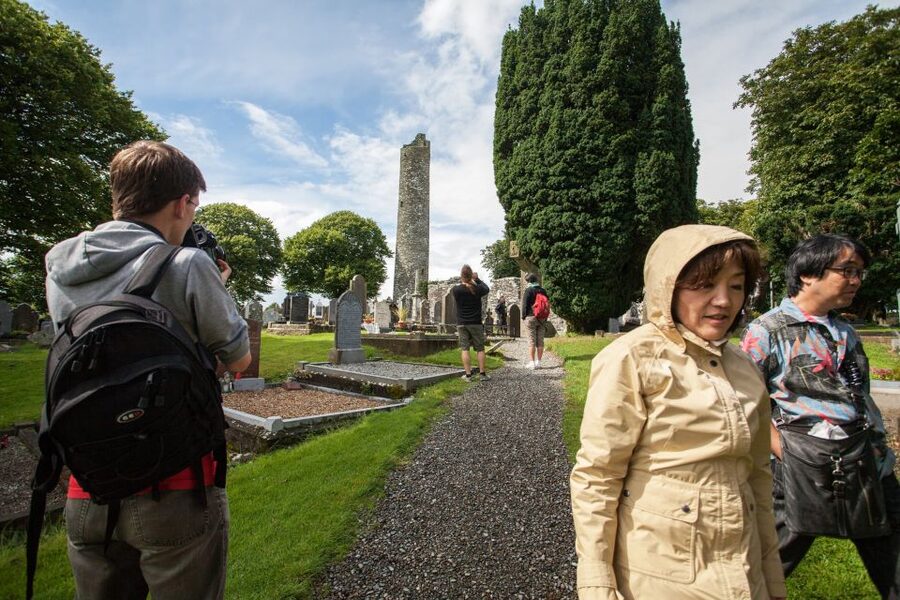
The oldest stop here is more than 5,000 years old, and the day moves through several very different chapters of Ireland’s past: Neolithic tombs, Iron Age kings, medieval monks, and an Anglo-Norman fortress. Loughcrew Cairns is the most striking stop, though reaching it means a steep climb.
I like the mix of major sites and quieter ruins, especially Trim Castle and Fore Abbey. I also like the guides’ role in tying the sights together. Flann, Alec, Jonathan, Brendan, Bob, and David are all praised by name for lively storytelling, local pointers, and smooth pacing. The trade-off is a long day with several outdoor visits, changeable weather, and lunch not included in the $74 price.
Key points to know before booking
- Five very different stops: You see Tara, Trim Castle, Loughcrew Cairns, Fore Distillery, and Fore Abbey in one carefully packed day.
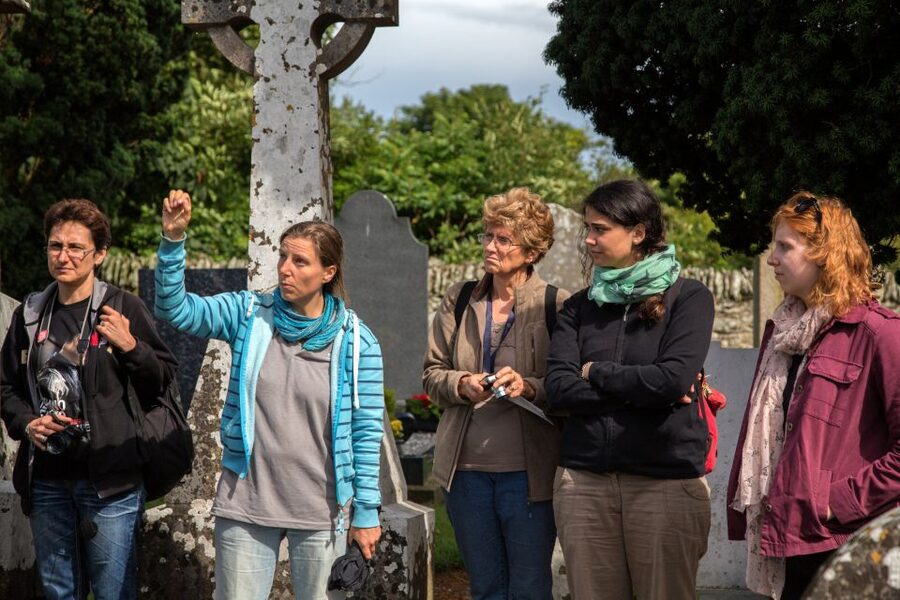
- A guide-led history lesson: Guides such as Flann and Alec add stories about Dublin, County Meath, Irish culture, and sites passed along the road.
- Loughcrew requires a steep climb: Bring sturdy shoes and warm layers for the uphill walk and exposed conditions.
- Trim Castle admission costs extra: The castle visit is part of the route, but entry is not included in the tour price.
- Lunch is optional and separate: Fore Distillery and its Barrel & Bean Café provide the lunch stop, with food and drinks paid for on the day.
- Comfortable return transport: The air-conditioned coach has Wi-Fi, USB ports, and a long return ride to Dublin.
Why the Boyne Valley makes a strong day trip
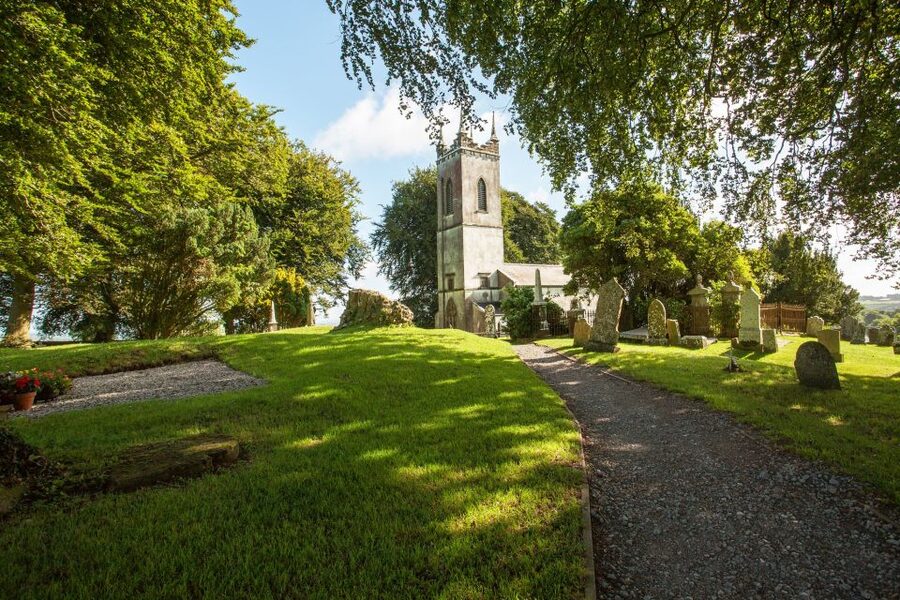
County Meath is close enough to Dublin for a day trip, yet it gives you a clear break from city streets. The route follows Ireland’s ancestral heartland, where ceremonial hills, ancient burial sites, monasteries, and medieval power centers sit among farms and open countryside.
I like that this is not simply a castle tour. At Tara, you consider kingship and ceremony. At Loughcrew, you face a monument built thousands of years before the medieval period. Fore Abbey shifts the story toward early Christianity, while Trim shows how Norman power changed Ireland.
That variety gives the day its value. You are not looking at five versions of the same ruin. Each stop has a different scale and mood, and the guide helps connect them. Several guides, including Alec, Flann, Jonathan, and David, are praised for talking about Dublin and places along the road as well as the main sights.
The coach leaves from the Molly Malone statue on Suffolk Street, outside the old stone church in Dublin 2. Arrive at least 10 minutes early. The trip lasts about 10 hours, so it is best for you if you want a full day outside Dublin rather than a relaxed half-day outing.
More Newgrange and Boyne Valley days:
- Celtic Boyne Valley & Ancient Sites Day Tour From Dublin
★ 4.5 · 865 reviews - Dublin: Boyne Valley with Newgrange and Bru Na Boinne Entry
★ 4.7 · 635 reviews - Dublin to Newgrange, Monasterboice Small Group Guided Tours
★ 4.5 · 500 reviews
Hill of Tara and the Coronation Stone
The first major stop is the Hill of Tara, with about an hour for a visit, guided explanation, and photographs. Tara was a sacred ceremonial site and the traditional seat of Ireland’s High Kings. The attraction is not a grand building. It is the hill itself, its earthworks, its associations, and the views across Meath.
You will see the Coronation Stone and the An Forradh monument. The guide gives these features context, which matters because the site can otherwise look like a simple grassy rise with low remains. With the right explanation, the contours become clues to ceremonies and power from long before written records.
I appreciate this stop as an introduction to the region. It teaches you to read the ground rather than expect a complete structure. You get time to walk around and take pictures, but weather can change quickly on the open hill. Bring a waterproof jacket, sunglasses, and shoes that can handle damp grass.
Tara is also a useful reminder that Irish history is not only found inside museums. Much of the story here is tied to place, legend, and surviving earthworks. The guide’s narration is important, especially if this is your first visit to Ireland’s ancient sites.
Trim Castle and the medieval chapter
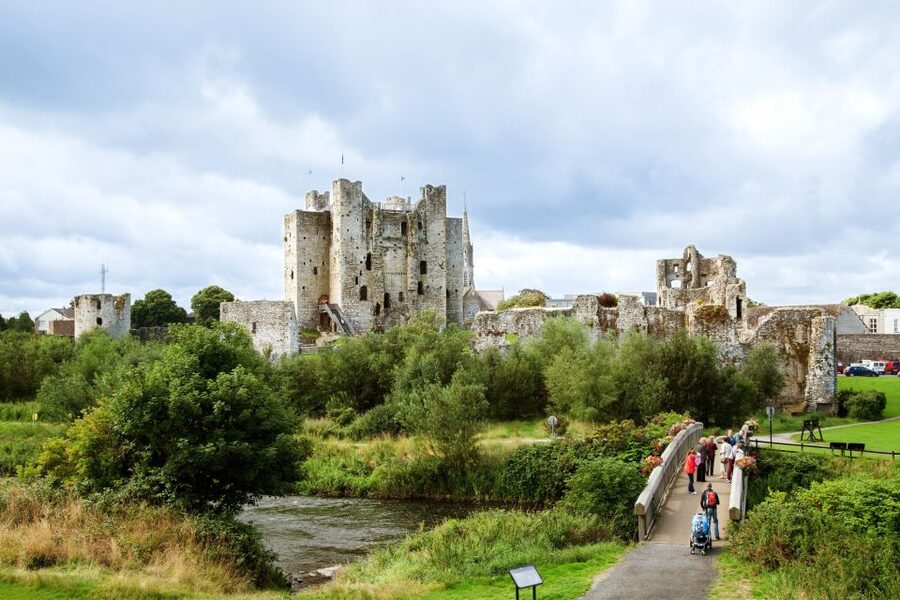
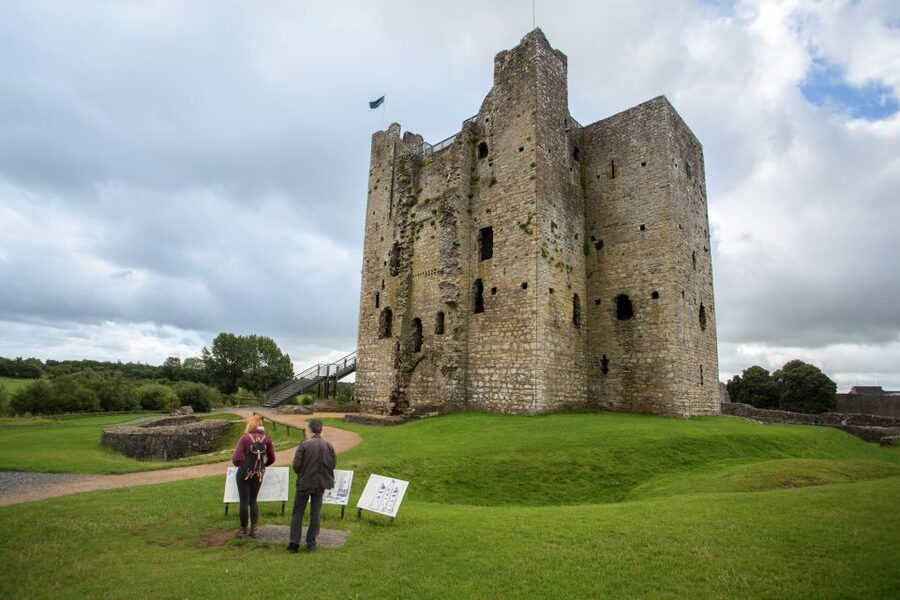
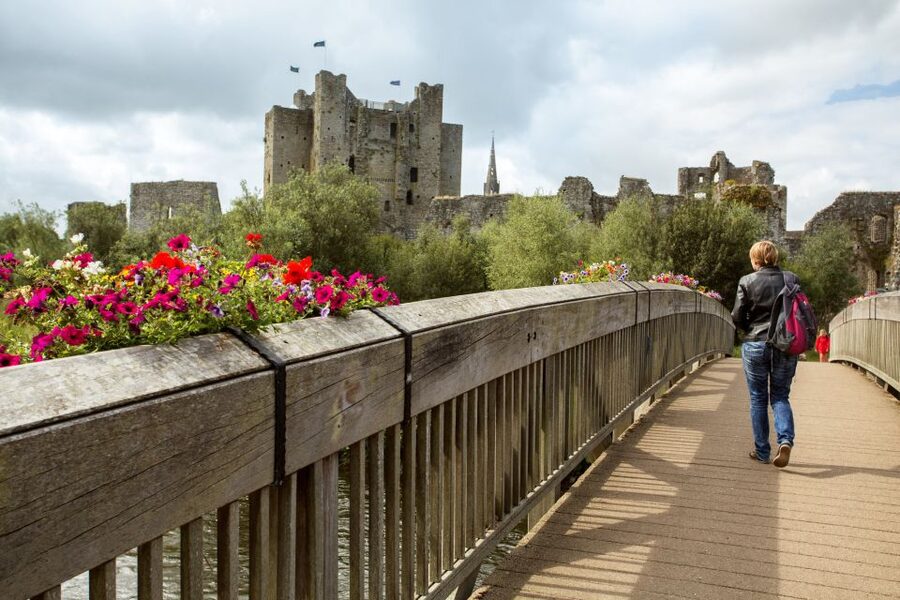
Trim Castle follows Tara, with roughly 70 minutes at the site. It is one of Ireland’s largest Anglo-Norman castles and dates from the 13th century. The central keep, outer areas, and gardens give you a stronger sense of medieval power than the open ceremonial remains at Tara.
The castle is photogenic from the outside, with thick stone walls and a solid, defensive shape. You will have time for photographs and a guided visit, then some freedom to take in the grounds. The three-story keep is the main visual prize, and the surrounding medieval atmosphere makes this one of the day’s easiest stops to appreciate at a glance.
There is one important cost detail: Trim Castle admission is not included. The tour includes the stop, but you should allow extra money if you want to enter the castle. That makes the $74 price attractive for the number of other entries included, though the final cost is higher if you add the castle and lunch.
I would not treat Trim as a quick photo stop. If medieval buildings are your priority, this is one of the places where you may wish the schedule offered more time. The 70-minute visit gives you a solid look, but the overall route has many sights to fit into one day.
Loughcrew Cairns and the uphill walk
Loughcrew is the most ancient and, for many people, the most memorable stop. The passage tombs date back more than 5,000 years, making them older than the pyramids at Giza. The site includes rock art inside the tombs, giving you a direct connection to prehistoric people rather than only a distant view of a mound.
The visit lasts about 70 minutes and includes a guided explanation, photographs, and time to look around. The tomb’s age is impressive, but its physical setting is just as important. You walk up into open country, and the views become wider as you climb.
Here is the practical warning: the climb to Loughcrew is steep. Several people specifically point this out, and it is the one part of the day you should prepare for most carefully. Wear comfortable shoes with a good grip, and bring a rain jacket even if Dublin starts out dry. The top can feel cold and breezy.
This is not a polished, indoor attraction where you stroll from display to display. You are visiting an exposed prehistoric site. That is part of its appeal, but it also means the experience depends more on your footwear, fitness, and the weather.
I like the contrast with Trim. At the castle, stone walls are still easy to read. At Loughcrew, the meaning comes from the tomb design, the rock art, and the guide’s explanation. Alec and other guides are praised for giving people enough time to explore independently after the main talk, which suits anyone who wants to pause for photographs or look closely at the site.
More day trips out of Dublin:
- From Dublin: Cliffs of Moher, Burren & Galway City Day Tour
★ 4.8 · 18,888 reviews - Kilkenny, Wicklow Mountains & Glendalough Day Tour from Dublin
★ 5.0 · 7,897 reviews - From Dublin: Wicklow Mountains, Glendalough & Kilkenny Tour
★ 4.8 · 6,235 reviews - Cliffs of Moher, Burren and Galway Day Tour from Dublin
★ 4.5 · 2,755 reviews
Fore Distillery and the lunch stop
After the ancient sites, the route turns to Fore Distillery and the Barrel & Bean Café for about 30 minutes. This is both a tasting stop and a chance to eat, though lunch is not included in the tour price.
The guided tasting gives the day a more social, modern turn. You sample a selection of crafted spirits and hear about the distillery’s work. The information provided describes a family-owned setting, with Oliver, the master distiller, offering an interactive talk on the craft and tasting.
You can buy lunch here if you wish. Food has been described as a useful and enjoyable part of the stop, but you should not assume it is covered by the tour fee. If you prefer to bring snacks, that is sensible. The tour specifically recommends snacks, and a full day with several outdoor walks can make a small food reserve worthwhile.
Thirty minutes is brief for both food and tasting, especially if the group is large or you want a proper meal. The stop works best if you treat it as a compact break rather than a leisurely restaurant visit. If you want to eat, keep your order simple and stay aware of the departure time.
The distillery also adds local character that a standard ancient-sites route might lack. You are not only looking at old stones. You are meeting a current Irish producer and seeing how a traditional drink fits into life today. If you do not drink alcohol, you can still use the stop as a café break, but the tasting is one of the included features that gives this tour its particular shape.
Fore Abbey and the quietest stop
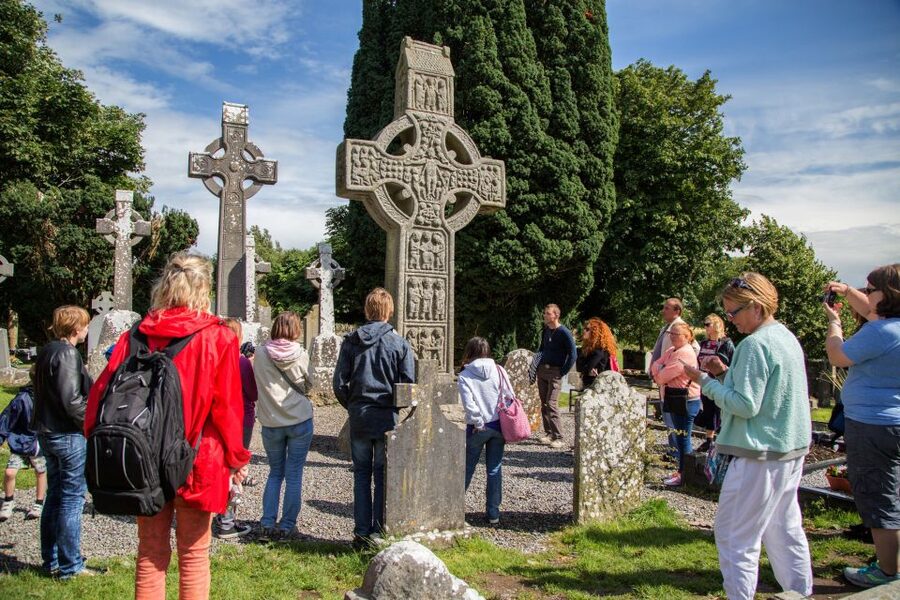
Fore Abbey is the final main visit, with about an hour for a guided look and photographs. Saint Fechin founded a Christian monastery here in the seventh century. At its height, the settlement was home to 300 monks, and the site was later destroyed 12 times.
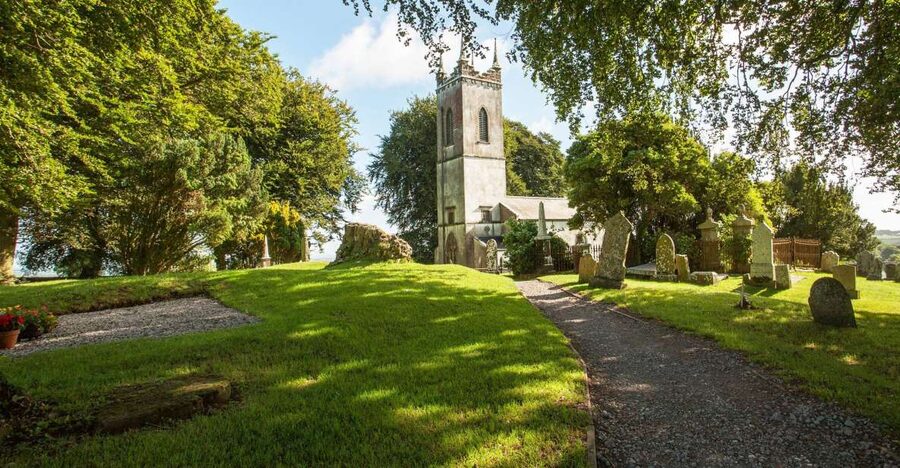
The ruins include Saint Fechin’s Church, dating to around 900 AD. Compared with Trim Castle, Fore is less imposing. That is exactly why I like it. The remains give you room to think about monastic life, repeated destruction, and the way religious communities shaped the countryside.
You will explore outdoor ruins, so the same advice applies: wear warm clothing and bring rain gear. The guide’s storytelling matters here because the surviving walls alone do not tell the whole story. A strong guide can turn Fore from a quick final stop into a fitting close to the day.
The nearby village setting also gives this part of County Meath a more lived-in feel than a major attraction. One useful tip from the day’s firsthand feedback is to allow time for a drink at Abbey House if your schedule or group arrangements permit. The tour itself may not leave much spare time, so do not count on an extended pub visit, but the suggestion reflects the area’s relaxed character.
The guides make or break the day
The tour includes an English-speaking driver-guide, and this is a route where that role matters. You spend a great deal of time on the road, including about 30 minutes outbound and roughly 100 minutes returning to Dublin. The guide fills those hours with stories about Dublin, Irish culture, local places, and sights along the route.
Specific guides praised by name include Flann, Alec, Jonathan, Brendan, Bob, and David. Their styles differ, but the strongest pattern is clear: you can expect humor, historical explanation, safety-conscious driving, and useful advice for the rest of your Dublin visit.
Flann is repeatedly singled out for being friendly, funny, and deeply informed. Alec is praised for combining stories, history, personal anecdotes, and restaurant suggestions. Jonathan is described as kind and engaging, while David is noted for being both informative and funny.
That does not mean every departure will feel identical. A live guide creates some variation, and the quality of the day depends partly on who is driving and speaking. Still, the structure allows enough time at each stop for you to explore on your own, rather than staying beside the guide from arrival to departure.
The coach itself is air-conditioned and fitted with Wi-Fi and USB ports. Those details matter on a 10-hour trip. Bring a charged phone anyway, since rural signal and onboard Wi-Fi can vary, but the USB ports are useful for photographs and navigation after the tour.
Is $74 good value?
At $74 per person, this is a strong value if you want several County Meath sites in one day without arranging a car. The fee covers transportation from Dublin, the driver-guide, Wi-Fi, USB-equipped coach travel, Hill of Tara, Loughcrew, Fore Abbey, and the distillery tour with tasting.
You still need to pay for lunch and Trim Castle admission. Those extras are worth remembering when comparing the tour with a self-drive plan. The price is not an all-inclusive day, but it does cover the most awkward part of the trip: reaching several spread-out sites in a sensible order.
A self-drive visit could offer more time at Trim or Fore, but you would need to manage directions, parking, timing, and the long return to Dublin yourself. This tour trades flexibility for a ready-made route and a guide who explains what you are seeing.
The main value is the range. In one day, you move from a 5,000-year-old tomb to a medieval castle, a distillery, and an early Christian monastery. For a first visit to Dublin, that is a useful way to see more of Ireland without committing to an overnight stay.
Who should book this day trip?
I would choose this tour if you want ancient Ireland, medieval ruins, countryside views, and a guide-led day rather than a shopping or pub-focused excursion. It suits curious first-time visitors, history fans, photographers, and anyone who prefers not to drive on unfamiliar roads.
You should be comfortable with a full schedule. There are several walks, outdoor sites, and a steep climb at Loughcrew. The weather may be cold, wet, or windy, so this is not the day to rely on city shoes and a light jacket.
Families with older children may enjoy the mix of tombs, castles, and stories. People who need a slow pace or easy, level access should look closely at the physical demands before booking, particularly the climb to Loughcrew.
The free cancellation policy allows you to cancel up to 24 hours before departure for a full refund, and you can reserve now and pay later. The tour returns to the Molly Malone statue, making it easy to plan an evening in central Dublin afterward, though the long day may leave you ready for a quiet dinner.
Should you book it?
Book this tour if you want the most variety for your money and you value a guide who can turn scattered ruins into a connected story. The strongest parts are Loughcrew’s age and rock art, Trim’s imposing castle, Fore Abbey’s quiet ruins, and the personal touch brought by guides such as Flann and Alec.
Skip it if you want a leisurely visit to one major site, dislike group schedules, or would rather spend more time inside Trim Castle. You will also need to budget for lunch, castle entry, and weather-ready clothing.
For most visitors with one free day from Dublin, I think the route earns its place. It gives you a broad, memorable look at County Meath, with enough free time at each stop to feel like you are exploring rather than simply stepping off a bus for a photograph.
FAQ
Where does the tour depart from in Dublin?
The tour departs from the Molly Malone statue on Suffolk Street, Dublin 2, outside the old stone church. You should arrive at least 10 minutes before the scheduled departure.
How long does the tour last?
The tour lasts 10 hours and returns to the Molly Malone statue in Dublin. Check availability for the exact starting time.
What language is the tour conducted in?
The live tour guide speaks English.
Is lunch included?
No. Lunch is not included. The route stops at Fore Distillery and the Barrel & Bean Café, where you can purchase food. Bringing snacks is also recommended.
Is entry to Trim Castle included?
No. The tour stops at Trim Castle, but admission to the castle is not included in the tour price.
What should I bring?
Bring comfortable shoes, warm clothing, sunglasses, an umbrella, rain gear, a camera, snacks, and a charged smartphone. A steep climb is required at Loughcrew Cairns.
Recently added around Dublin
- Dublin: Pub Tour. Pour The Perfect Guinness, Whiskey & Music★ 5.0 · 3 reviews
- Waterford Crystal and Kilkenny Full-Day Rail Tour from Dublin★ 5.0 · 3 reviews
- Cliffs of Moher and The Burren Private Tour from Dublin★ 5.0 · 3 reviews
- Private Chauffeur Service From Dublin Airport to Killarney★ 5.0 · 3 reviews
- Beautiful Southwest Tour 2022★ 5.0 · 3 reviews
- A Self Guided Walking Tour of Dublin’s Docklands★ 4.5 · 3 reviews
- Dublin One Day Tour with a Local: 100% Personalized & Private★ 4.5 · 3 reviews
- Ireland: 3-Day West Coast Explorer Tour★ 5.0 · 3 reviews
Dublin Tours, compared.
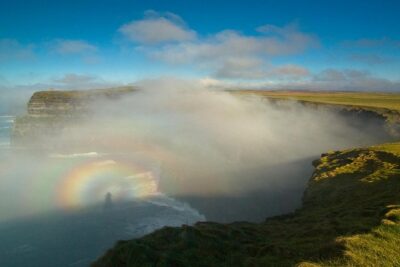
Dublin to Cliffs of Moher, including Wild Atlantic Way and Galway
Read our review →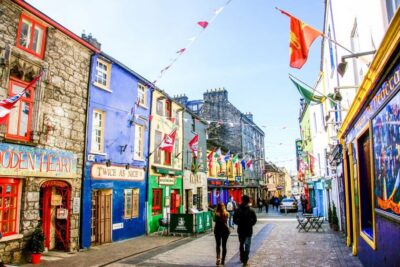
Cliffs of Moher, Burren & Galway City Day Tour
Read our review →
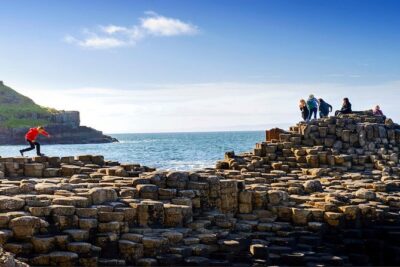
Dublin to Belfast Black Cab, Dunluce Castle and Giant’s Causeway
Read our review →
Kilkenny, Wicklow Mountains & Glendalough Day Tour from Dublin
Read our review →
Wicklow Mountains, Glendalough & Kilkenny Tour
Read our review →
Dublin Highlights and Hidden Gems Guided Walking Tour
Read our review →Browse the lists this tour appears in