
Reviewed · WATERFORD TOURS
Irish Wake Museum Tour Rituals of Death and Celebration of Life
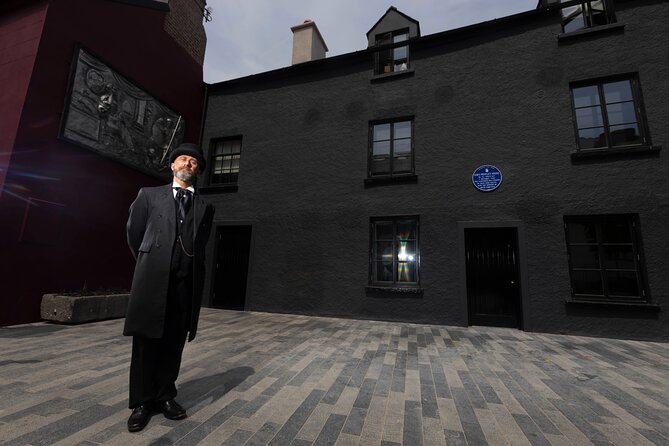
The Irish Wake Museum tackles a subject most museums avoid: how Irish people faced death, mourned their loved ones, and turned a wake into both farewell and gathering. Inside a 15th-century Almshouse, you move through Waterford’s past while learning why a traditional wake involved far more than quiet grief.
I like the small setting and the way the tour links funeral customs to the wider story of Waterford. I also like that the guides, including Tobie and Deirdre, bring humor and clear storytelling to a serious subject. The main consideration is simple: death, illness, injury, and realistic images of the recently deceased are part of the visit, so this is not the right stop for every child or every mood.
Key points to know before you go
- A 45-minute guided look at Irish wakes: The tour explains the customs, folklore, and beliefs behind one of Ireland’s best-known funeral traditions.
- A rare 15th-century setting: The Almshouse connects the museum to six centuries of Waterford life, care, illness, and death.
- Small and personal: The experience is promoted as an intimate tour limited to four people, while the formal maximum is listed as 12.
- Guides shape the experience: Tobie and Deirdre have been praised for clear explanations, warm humor, and strong delivery.
- A serious subject with a human side: You learn about mourning, but also about food, family, storytelling, and the celebration of a life.
- Good value for a short museum visit: At $17.54 per person, the price is reasonable if you want a focused, guided experience rather than a large museum to wander alone.
Entering Waterford’s old Almshouse

The first thing that gives this visit its character is the building itself. The Irish Wake Museum occupies what was once a 15th-century Almshouse, a place tied to care and hardship in Waterford for hundreds of years. You are not simply entering a modern exhibition room with panels about death. You are stepping into an old structure linked to the very themes the museum explores.
That setting matters. An Almshouse naturally raises questions about poverty, illness, aging, care, and the final stages of life. The building helps connect the subject to ordinary people rather than treating Irish wakes as an abstract tradition.
The museum presents the story across six centuries of Waterford life. The tour is not limited to one family’s customs or one narrow period. Instead, your guide uses the site, artifacts, and stories to explain how funeral practices developed and why particular actions became part of the wake.
You should expect a guided experience rather than a self-directed museum visit. Your professional guide leads the full tour, explains what you are seeing, and provides the context that makes the objects useful. That approach is especially helpful here because a funeral item can look ordinary unless you understand how and why it was used.
More Museums in Waterford:
- Waterford Treasures: Medieval Museum Admission Ticket
★ 4.5 · 132 reviews - Waterford Treasures: Medieval Museum Entry Ticket
★ 4.5 · 20 reviews - Waterford: The Irish Wake Museum Guided Tour
★ 4.8 · 6 reviews
What an Irish wake really meant
The word wake can sound familiar, but the museum shows why the custom deserves closer attention. The tour looks at the origins of a wake’s unusual rituals and places them within Irish folklore and local life.
You learn about mourning practices, beliefs surrounding death, and the ways families and neighbors responded when someone died. The experience is not simply a list of superstitions. It explores the social role of the wake and the customs that helped a community face loss.
That social side is important. A wake could be solemn, but it was also a gathering. The title of the experience, Rituals of Death and Celebration of Life, points to that tension. The museum examines grief, but it also shows how a person’s life was remembered and shared through stories, ritual, and company.
I like this angle because it keeps the subject human. You are not asked to look at death as a distant historical oddity. Instead, you see how families created structure around a difficult moment and how folklore helped people make sense of something frightening and unavoidable.
The tour also gives you a better way to understand Irish culture beyond the usual music, castles, and scenery. Funeral customs reveal family ties, religious ideas, neighborhood life, and attitudes toward illness and mortality. If you want a more serious cultural stop in Waterford, this museum gives you plenty to think about in a short time.
Rare artifacts and realistic displays
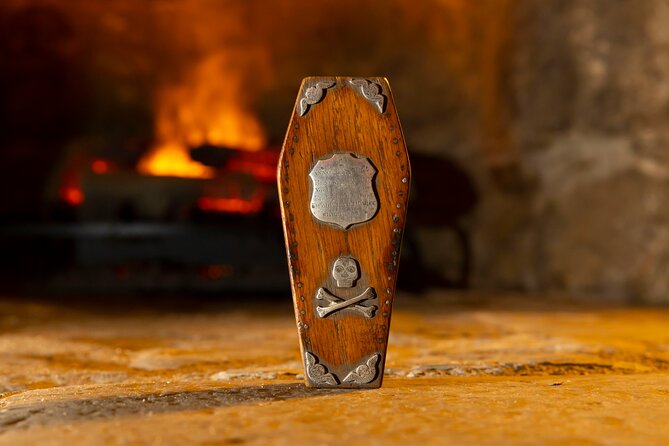
The museum contains rare artifacts linked to Ireland’s funeral customs. These objects help turn the tour from a talk into a visual experience. Your guide explains how the artifacts fit into the rituals and beliefs being discussed, so you do not have to guess at their purpose.
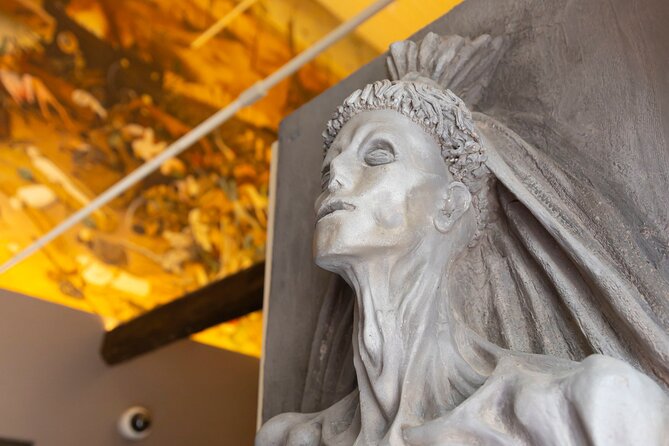
The displays also include realistic depictions of the recently deceased. This is an important warning, not a minor footnote. The subject matter includes death, injury, and illness, and some images may be upsetting.
For many adults, that direct presentation will make the museum more effective. It gives weight to the discussion and prevents the subject from becoming too neat or sentimental. At the same time, you should think carefully about bringing children or anyone who may find such images distressing.
The museum advises that the tour is not suitable for children under eight. The supplied information does not set a detailed age policy beyond that advice, so parents should use their own judgment for older children as well.
This is not a light stop to fill ten spare minutes before lunch. It may be short, but the themes are serious. If your group prefers cheerful attractions only, choose another Waterford museum. If you are comfortable with an honest look at death and mourning, the displays add real force to the tour.
Why the guide makes such a difference
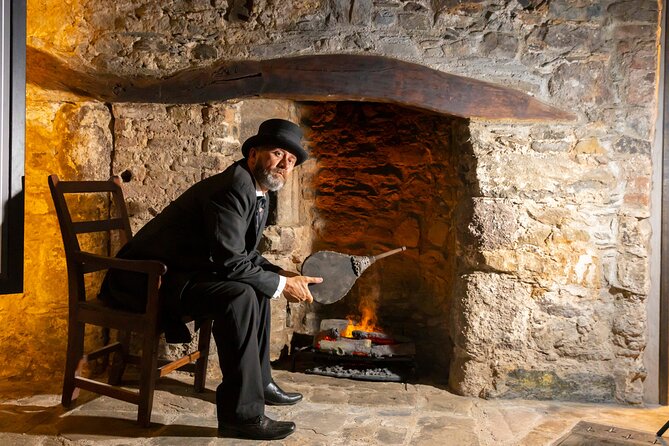
This experience depends heavily on the person leading it. The museum is intimate, and the tour lasts about 45 minutes, so the guide’s explanations and timing shape nearly everything.
Tobie has been praised for combining strong information with brilliant humor. That combination is useful here. A guide who speaks about death in a stiff or overly grim way could make the visit uncomfortable. A guide who relies only on jokes could make it feel careless. The best approach is to acknowledge the sadness while also recognizing the warmth, stories, and human gatherings connected to a wake.
Deirdre has also been praised for her clear delivery and command of the subject. Her style is described as precise and engaging, which suits a small museum where you need enough explanation to understand the objects without getting buried in dates and names.
I would pay attention to the guide rather than rushing to photograph every object. The value is in the connection between the building, the artifacts, and the customs. You can see objects elsewhere, but the guide gives you the reason they belong together.
One practical point is that the advertised group sizes are not perfectly consistent. The highlights describe an intimate tour limited to four people, while the additional booking information lists a maximum of 12 travelers. If having a very small group matters to you, check the current booking details before paying. Either way, this is a guided museum experience rather than a large coach excursion.
A few more Waterford half-days to weigh up
- House of Waterford Crystal Guided Factory Tour
★ 4.5 · 2,303 reviews - Skip the Line: Hook Lighthouse Entrance Ticket and Guided Tour
★ 5.0 · 470 reviews - Waterford: House of Waterford Factory Tour
★ 4.8 · 256 reviews - Waterford Treasures: Epic Walking Tour
★ 4.5 · 152 reviews
A compact tour with a clear pace
At approximately 45 minutes, the visit fits easily into a day exploring Waterford’s Viking Triangle. The tour begins and ends at Waterford Treasures: Irish Wake Museum on Cathedral Square, so you do not need to arrange a separate transfer between the start and finish.
The short duration is a strength if you want to add the museum to a larger Waterford schedule. You can give the visit your full attention without surrendering half a day. It also works well for people who prefer a focused story to a huge collection of rooms.
The trade-off is that you should not expect an extensive museum complex. The supplied information identifies one main stop, the Irish Wake Museum, and the experience is built around the guided presentation. You are paying for a compact, carefully framed look at Irish funeral customs, not hours of independent exploration.
The meeting point is near public transportation, which makes the museum practical for a day in the city. Confirmation is provided at booking, and a mobile ticket is available. Those details are small but useful when you are organizing several stops and do not want to print paperwork.
Is $17.54 a fair price?
At $17.54 per person, this tour offers fair value for a 45-minute guided visit, especially if you care about local culture and expert interpretation. The price includes admission, a professional guide, and the full guided tour.
You are not just paying to enter an old building. You are paying for access to artifacts, explanations of Irish folklore, and a structured account of how wakes developed. That makes the cost easier to justify than a basic admission ticket with a few signs.
The value is strongest for adults who enjoy history presented through everyday customs. You will probably get less from it if you are looking for grand architecture, scenic views, or a broad survey of Irish history.
I would also factor in the museum’s location and length. Since the tour returns to the meeting point and takes less than an hour, it can sit neatly between other Waterford activities. You do not need to build your entire day around it.
Free cancellation is available if you cancel at least 24 hours before the start time. Cancellations made less than 24 hours before the experience are not refunded, and changes inside that window are not accepted. The cut-off follows local time, so check your schedule before the deadline.
Who will appreciate this museum most?
I would recommend the Irish Wake Museum to you if you enjoy cultural traditions, folklore, social history, and places that tell a story through ordinary life. It is particularly suited to adults who want to understand Ireland beyond its famous monuments.
It also suits people who like guided tours with a clear theme. You do not have to arrive with specialist knowledge. The guide provides the background and explains why the rituals matter.
The museum may work well for older children and teenagers who are comfortable with serious subjects, but parents should consider the realistic depictions and references to illness, injury, and death. The museum advises against bringing children under eight.
This is also a good choice for repeat visitors to Ireland. If you have already seen major castles and churches, a museum about wakes offers a different view of the country. It shows how people gathered, grieved, remembered, and relied on custom.
I would not make it your first choice if anyone in your group is dealing with a recent bereavement or is likely to find the images upsetting. The warning is clear, and you should take it seriously.
What the high marks mean in practical terms
The experience has a 4.9 rating from 115 reviews, with 97 percent of people recommending it. Those figures are useful, but the specific strengths matter more than the numbers.
The strongest praise centers on the guides’ delivery. Tobie is noted for excellent humor and informative storytelling, while Deirdre is praised for being well informed and presenting the material with precision. That tells you the visit works best when you engage with the spoken tour rather than treating the museum as a quick photo stop.
The second major strength is the museum’s Waterford connection. The experience does not only explain Irish death customs. It also gives you a sense of the city’s past, which makes the visit more useful for anyone spending time in Waterford itself.
The third is the setting. The old Almshouse has an unusual connection to the themes inside, and its age adds atmosphere without requiring theatrical effects. You get a real historic place tied to care and mortality, not merely a recreated backdrop.
I also like the balance between information and enjoyment. The subject is heavy, but the guides use humor carefully enough to keep the tour approachable. That balance is difficult, and it is one reason the experience can appeal to people who normally avoid museums about death.
Book the Irish Wake Museum or skip it?
Book this tour if you want a short, distinctive look at Irish culture and you are comfortable with frank treatment of death. The $17.54 price is reasonable, the 45-minute format is easy to fit into a Waterford day, and the guides add the explanation that makes the artifacts meaningful.
Skip it if you want a cheerful family attraction, a large museum collection, or a purely architectural visit. The realistic displays are part of the experience, and the subject may be upsetting.
For the best match, book it as a thoughtful cultural stop rather than a casual filler activity. If you are curious about how Irish communities handled grief and remembered the dead, this small museum offers an unusually direct answer in a historic Waterford setting.
FAQ
Where does the Irish Wake Museum tour begin?
The tour begins at Waterford Treasures: Irish Wake Museum, Cathedral Square, Waterford, Ireland.
Where does the tour finish?
The activity ends back at the meeting point, the Irish Wake Museum.
How long does the tour last?
The guided tour lasts approximately 45 minutes.
What does the admission price include?
The $17.54 price per person includes admission, a guided tour, and a professional guide.
What language is the tour offered in?
The tour is offered in English.
Is the tour available with a mobile ticket?
Yes. A mobile ticket is available, and confirmation is received at the time of booking.
What will the tour discuss?
The tour covers Irish folklore linked to death and mourning, funeral customs, wake rituals, and the wider history of Waterford.
Are there realistic displays?
Yes. The museum includes realistic depictions of the recently deceased and references to death, injury, and illness.
Is the tour suitable for young children?
The museum advises that the experience is not suitable for children under eight. Parents should also consider the serious subject matter and realistic displays.
How many people can join the tour?
The experience is promoted as an intimate tour limited to four people, while the additional booking information lists a maximum of 12 travelers. Check the current booking details if group size is important to you.
Can I cancel for a full refund?
Yes. You can cancel at least 24 hours before the experience start time for a full refund. Cancellations and changes made less than 24 hours before the start time are not accepted for a refund.
Recently added around Waterford
- Waterford: The Irish Wake Museum Guided Tour★ 4.8 · 6 reviews
- Waterford: Mount Congreve Gardens Entry Ticket★ 5.0 · 7 reviews
- Semi Private tour Rock of Cashel – Cahir castle & Kilkenny★ 3.5 · 9 reviews
- Waterford, Kilkenny and House of Waterford Crystal★ 4.0 · 12 reviews
- Full day Private Tour from Waterford★ 4.5 · 14 reviews
- Irelands Ancient East Waterford Greenway Cycle Tours & Bike Hire★ 3.5 · 16 reviews
- Waterford Treasures: Medieval Museum Entry Ticket★ 4.5 · 20 reviews
- Waterford Treasures: Walking Tour of the Viking Triangle★ 4.7 · 43 reviews
Waterford Tours, compared.

House of Waterford Crystal Guided Factory Tour
Read our review →
Skip the Line: Hook Lighthouse Entrance Ticket and Guided Tour
Read our review →
Waterford Treasures: Medieval Museum Admission Ticket
Read our review →


Waterford Treasures: Walking Tour of the Viking Triangle
Read our review →Browse the lists this tour appears in