
Reviewed · WATERFORD TOURS
Waterford: The Irish Wake Museum Guided Tour
Ireland’s Irish Wake Museum tackles a subject few museums handle so directly: how Irish people lived with death. Inside a carefully conserved 15th-century almshouse, your guide traces funeral customs, beliefs, and superstitions from early Christian times through the 20th century. The setting is small, atmospheric, and closely tied to Waterford’s past.
I like the museum for two clear reasons. First, the reenactor-led storytelling gives the subject a human voice rather than reducing it to display cases. Second, the chance to see Ireland’s oldest death mask adds a rare, tangible connection to the past. The main consideration is serious: expect discussion of death, injury, illness, and realistic images of the recently deceased. It is not suitable for children under eight or for people with limited mobility.
Key points to know before you go
- A 15th-century setting: The tour takes place in a beautifully conserved almshouse in Waterford’s Viking Triangle.
- Ireland’s oldest death mask: This unusual object is one of the museum’s most memorable features.
- A short, focused visit: The guided portion lasts about 40 minutes, though the full visit may take up to an hour.
- An English-speaking reenactor guide: Clare has received specific praise for her guiding, and guide-led storytelling shapes the experience.
- A serious subject: Expect material about death, injury, illness, funeral customs, and realistic depictions of the deceased.
- A useful local cause: Waterford Treasures gives €1 from every admission to the Waterford Hospice Movement.
Entering Waterford’s former almshouse
The Irish Wake Museum sits in the heart of Waterford’s Viking Triangle, a convenient location if you are already visiting the city’s historic attractions. You arrive at the museum, take the guided tour inside, and finish back at the same place. No transport is provided or needed for the experience itself.
The building matters as much as the displays. This was once a 15th-century almshouse, a place connected with care, poverty, illness, and death. Six centuries of association with those subjects give the museum a seriousness that a modern exhibition hall could not easily reproduce.
I like that the building does not merely hold the story. It helps tell it. The museum’s themes feel connected to the place around you, and the intimate scale keeps the visit focused. You are not wandering through a large collection with a long list of rooms. You are listening, looking closely, and following one clear subject.
The historic setting also brings a practical drawback. Because of the nature of the building, the tour is not suitable for wheelchair users or people with mobility impairments. If stairs, uneven surfaces, or restricted movement are a concern, check before booking.
More Museums in Waterford:
- Waterford Treasures: Medieval Museum Admission Ticket
★ 4.5 · 132 reviews - Irish Wake Museum Tour Rituals of Death and Celebration of Life
★ 5.0 · 115 reviews - Waterford Treasures: Medieval Museum Entry Ticket
★ 4.5 · 20 reviews
What the 40-minute guided visit covers
The central tour lasts about 40 minutes, with the total activity listed as 40 minutes to one hour depending on the available starting time and visit flow. That makes it easy to fit into a day of sightseeing in Waterford. You will not need to set aside half a day, but you should allow enough time to arrive before the scheduled start.
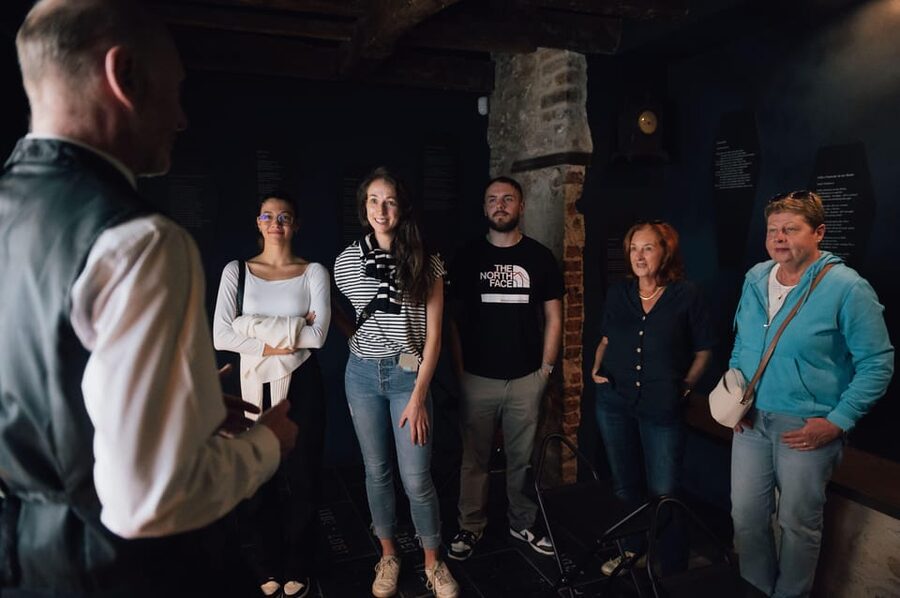
An English-speaking guide leads the visit, using reenactment to bring funeral customs and old beliefs to life. Clare is one guide specifically praised for her work, so if she is leading your session, expect a personal, character-based presentation rather than a dry reading of dates.
The tour follows the broad development of Irish attitudes toward death. It reaches back to early Christian times and continues into the 20th century. That long view helps you see a wake as more than a single funeral ritual. It was part of a wider system of family duty, community behavior, religious belief, superstition, and practical care for the dead.
You can expect the guide to explain the origins of customs associated with the Irish wake and to place those customs within Irish culture. The museum does not treat death as a distant historical topic. It looks at how people responded to it, organized around it, and gave it a place in ordinary community life.
The short format is a strength. The subject is unusual and potentially heavy, but the tour has a clear boundary. You get a concentrated explanation rather than an extended visit that might feel emotionally tiring.
Why the Irish wake is worth understanding
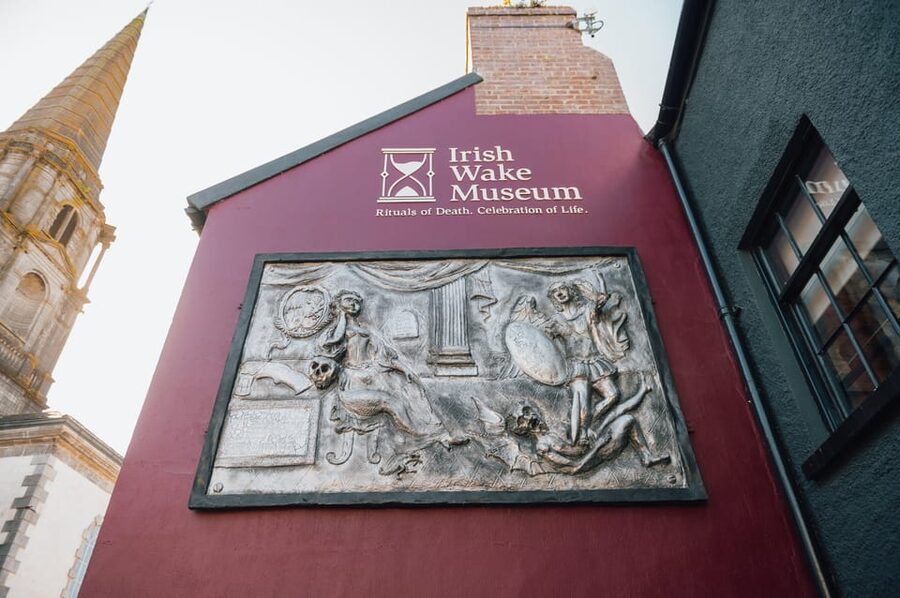
The Irish wake is often reduced to a few familiar images: family gathered around the dead, neighbors arriving to pay respects, and a gathering that may include food, drink, prayer, or storytelling. The museum offers a fuller picture by examining the customs and beliefs behind those actions.
That context is the real value of the tour. You are not simply learning what happened at a wake. You are learning why death was handled in a particular way and how those practices changed over time.
The museum connects early Christian traditions with later funeral practices and 20th-century customs. That gives you a useful sense of continuity, but also of change. Irish culture is not presented as frozen in the past. Instead, the visit shows how practices developed across different periods.
I find this kind of museum visit useful because it explains something that can otherwise seem mysterious from the outside. Customs surrounding death often make sense only when you understand the beliefs and social needs that shaped them. A guide can make those links quickly, especially in a small space where questions and conversation are possible.
The subject may also feel personal. If death and illness are difficult topics for you or someone in your party, take the warning seriously. This is not a light historical attraction, and the realistic depictions of the recently deceased may be upsetting.
The oldest death mask in Ireland
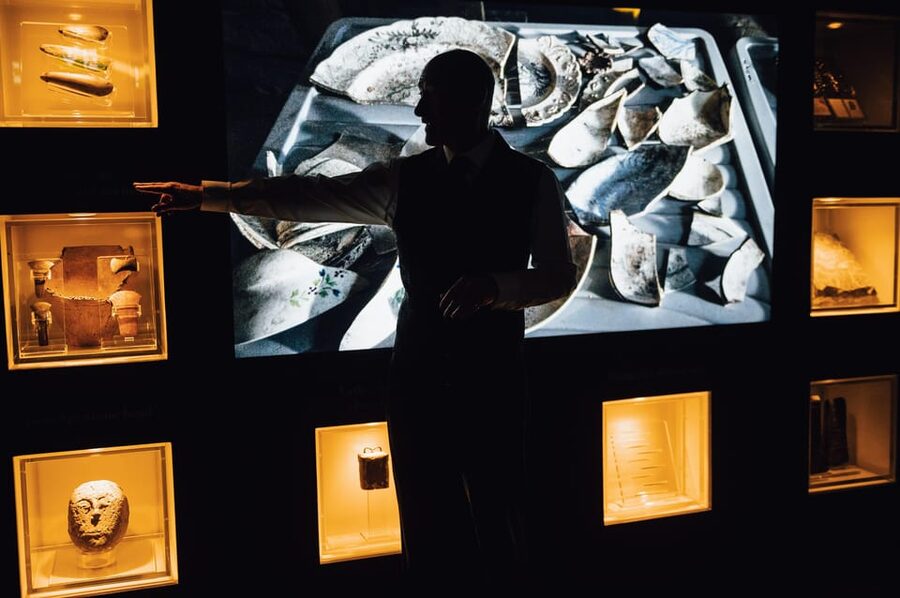
The museum’s oldest death mask is a major reason to include this stop in your Waterford plans. It is a striking object because it gives physical form to a practice connected with remembering the dead.
The available information does not specify every detail of the mask’s origin or display, so you should let the guide provide the full explanation during the visit. What is clear is that this is not a standard decorative item. It is a rare piece connected to death, memory, and the way people preserved a likeness of someone who had died.
Objects like this can change the tone of a historical discussion. Customs may sound abstract when described in general terms, but one carefully preserved object makes the practice immediate. You can look at the mask while the guide explains the ideas surrounding it.
For some people, the mask will be the highlight. For others, the broader account of wake customs will matter more. The museum works best when you treat the mask as one part of a larger story rather than expecting a large collection of artifacts.
A few more Waterford half-days to weigh up
- House of Waterford Crystal Guided Factory Tour
★ 4.5 · 2,303 reviews - Skip the Line: Hook Lighthouse Entrance Ticket and Guided Tour
★ 5.0 · 470 reviews - Waterford: House of Waterford Factory Tour
★ 4.8 · 256 reviews - Waterford Treasures: Epic Walking Tour
★ 4.5 · 152 reviews
A guide-led experience, not a self-guided display
The ticket includes entry and a reenactor-led guided tour. That distinction matters. The museum’s subject depends heavily on explanation, and the guide supplies the context that a label alone could not provide.
A strong guide can also set the right tone. Death customs can easily be presented as either gloomy or sensational. The guided approach allows the subject to be handled as part of Irish social and cultural life.
Clare has been singled out for praise, which is useful when you are comparing this visit with a self-guided museum. Her role suggests the quality of the presentation can be an important part of the experience. Since guide assignments can vary, you should book for the museum’s content rather than assume a particular guide will lead every session.
The reenactor format adds a sense of period character. Still, you should not expect a theatrical production with a large cast or elaborate set. The experience is a museum tour in a historic building, with a guide using reenactment as part of the interpretation.
That format suits you if you like local history explained face to face. It may suit you less if you prefer to move at your own pace, skip difficult subjects, or read quietly without a scheduled presentation.
Price, timing, and overall value
At about $15 per person, the museum is reasonably priced for a guided cultural visit. The fee covers admission and the tour, so you are paying for both access to the historic site and the guide’s interpretation.
The value depends on what you want from Waterford. If you are looking for a broad museum with many rooms and a large collection, this is not that kind of attraction. If you want one distinctive subject, a historic setting, and a short guided experience, the price is easier to justify.
The 40-minute tour also helps with planning. You can place it between other visits in the Viking Triangle without giving up a large part of your day. The full activity may take up to an hour, so avoid scheduling another timed attraction immediately afterward.
Food, drinks, and transportation are not included. Since the museum is in central Waterford, you can plan your own meal or continue on foot to another city attraction after the tour.
There is also a small charitable benefit built into the ticket. Waterford Treasures donates €1 from each admission to the Waterford Hospice Movement. That does not change the tour itself, but it gives part of the admission a direct connection to local hospice work.
Free cancellation is available up to 24 hours before the visit for a full refund, and you can reserve now and pay later. Those terms are useful if your Waterford schedule is still changing.
Who will appreciate this museum most
I would recommend the Irish Wake Museum to people who enjoy focused local history, unusual cultural traditions, and guided storytelling. It is especially suitable if you have already seen some of Waterford’s better-known sights and want a subject that feels specific to Irish life.
The visit should also appeal to anyone interested in funeral customs, religious history, social history, or the way communities respond to illness and death. You do not need specialist knowledge. The guide provides the background.
It can work well for adults and older children who can handle the subject. The stated minimum age is eight, but the warning goes beyond an age label. Even children above that age may find the realistic material difficult, so make the decision based on the child, not only the admission rule.
This is not a good choice if you want a cheerful family attraction, an interactive entertainment venue, or a broad introduction to every period of Waterford’s history. It is narrow by design. Its strength is the close look at one important tradition.
The building also limits who can comfortably take the tour. People with limited mobility, wheelchair users, and anyone who may struggle with access in an old almshouse should check suitability before reserving.
How it fits into a Waterford day
The central Viking Triangle location makes the museum simple to pair with other Waterford visits. Start with the Irish Wake Museum if you prefer a quiet, guided introduction, or place it later in the day when you are ready for a more reflective stop.
Because the tour returns to the starting point, you do not need to arrange a pickup or work out a separate ending location. That makes the timing straightforward. Check the available starting times when booking, then allow a little extra time to reach the museum.
I would avoid treating this as a quick drop-in if the subject interests you. The tour is short, but the material benefits from attention. Listen to the guide’s explanation of customs, look closely at the objects and setting, and give yourself a few minutes afterward before rushing to the next stop.
The museum may also help you understand later encounters with Irish religious sites, cemeteries, memorials, and local traditions. It gives you cultural context that can stay with you after the 40-minute visit.
The main drawback: difficult material in a confined historic space
The museum is candid about its content. You will hear about death, injury, and illness, and you will see realistic depictions of people who have recently died. That is central to the experience, not a minor detail tucked away in one corner.
The intimate setting can make the material feel more immediate. Some people will find that effective and memorable. Others may feel that the subject becomes too close or too intense.
I appreciate the clear warning because it lets you make an informed choice. Do not book this simply because the title sounds unusual. Talk with your companions first, especially if anyone is sensitive to medical or funeral imagery.
The same honesty applies to the building. Its age gives the tour atmosphere, but it also means the site is not suitable for visitors with mobility impairments. A historic building can be part of the appeal and part of the limitation at the same time.
Should you book the Irish Wake Museum?
Book it if you want a compact, unusual Waterford experience that explains Irish funeral customs through a guide, a historic building, and rare objects such as Ireland’s oldest death mask. The $15 price is fair for a 40-minute guided visit, and the central location makes it easy to add to a day in the Viking Triangle.
Skip it if death, illness, or realistic funeral imagery would make the visit uncomfortable. You should also choose another attraction if you need wheelchair access or cannot manage a historic building with limited mobility.
For the right audience, this is a thoughtful stop rather than a novelty. It shows how a major Irish tradition grew from centuries of belief and community practice, and it does so without asking you to spend a whole afternoon. Just go prepared for serious subject matter and let the guide, including Clare when scheduled, set the pace.
FAQ
Where is the Irish Wake Museum located?
The museum is in the heart of Waterford’s Viking Triangle in County Waterford, Ireland.
How long does the guided tour last?
The guided portion lasts about 40 minutes. The full activity may take between 40 minutes and one hour, depending on the available starting time and visit flow.
What does the ticket include?
The ticket includes entry to the Irish Wake Museum and a reenactor-led guided tour in English.
Is transportation included?
No. Transportation, food, and drinks are not included. The activity starts and ends at the museum.
What language is the tour offered in?
The live guided tour is offered in English.
Is the museum suitable for children?
The experience is not suitable for children under eight. Because it includes death, injury, illness, and realistic depictions of the recently deceased, older children may also need careful consideration.
Is the tour accessible for wheelchair users?
No. Due to the historic building, the tour is not suitable for wheelchair users or visitors with mobility impairments.
Can I cancel for a refund?
Yes. You can cancel up to 24 hours in advance for a full refund. You can also reserve the activity and pay later.
Recently added around Waterford
- Waterford: Mount Congreve Gardens Entry Ticket★ 5.0 · 7 reviews
- Semi Private tour Rock of Cashel – Cahir castle & Kilkenny★ 3.5 · 9 reviews
- Waterford, Kilkenny and House of Waterford Crystal★ 4.0 · 12 reviews
- Full day Private Tour from Waterford★ 4.5 · 14 reviews
- Irelands Ancient East Waterford Greenway Cycle Tours & Bike Hire★ 3.5 · 16 reviews
- Waterford Treasures: Medieval Museum Entry Ticket★ 4.5 · 20 reviews
- Waterford Treasures: Walking Tour of the Viking Triangle★ 4.7 · 43 reviews
- Waterford Treasures: Bishop’s Palace★ 4.5 · 53 reviews
Waterford Tours, compared.

House of Waterford Crystal Guided Factory Tour
Read our review →
Skip the Line: Hook Lighthouse Entrance Ticket and Guided Tour
Read our review →
Waterford Treasures: Medieval Museum Admission Ticket
Read our review →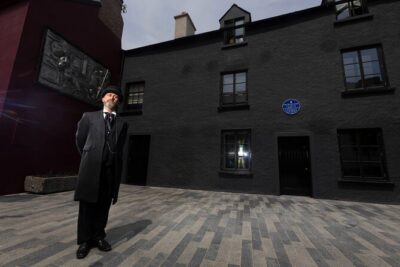
Irish Wake Museum Tour Rituals of Death and Celebration of Life
Read our review →

Browse the lists this tour appears in