
Reviewed · WATERFORD TOURS
Waterford Treasures: Medieval Museum Entry Ticket
Waterford’s Medieval Museum takes you below street level into two original medieval chambers, including a 13th-century hall and a 15th-century wine vault. The setting does much of the work here: you are not simply looking at medieval objects in a modern gallery, you are seeing them inside the ancient undercrofts where Waterford’s story took shape.
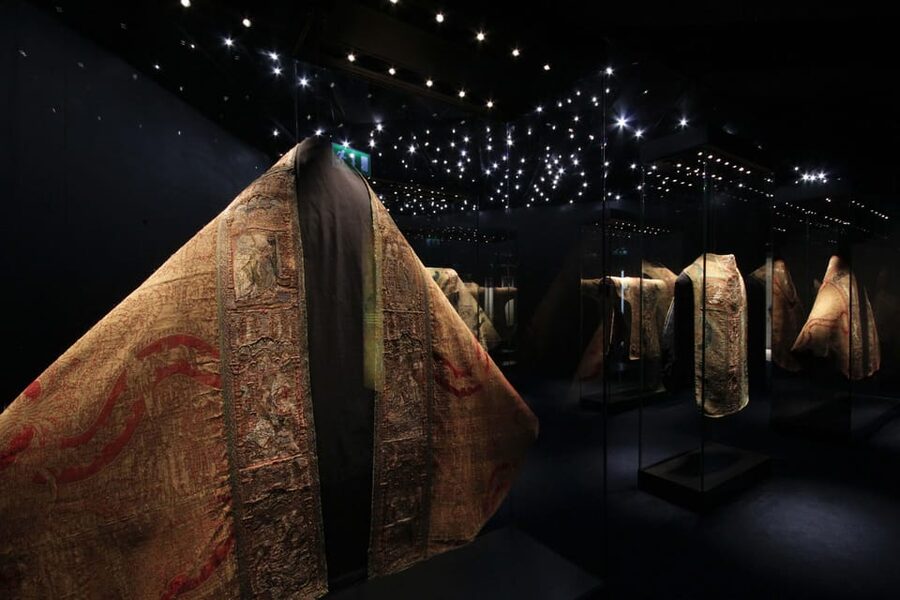
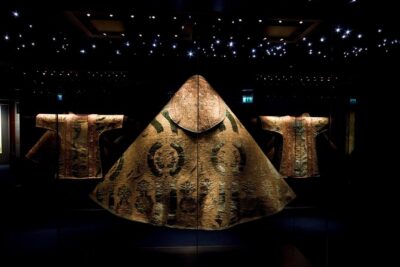
I like the chance to see the Great Charter Roll, viewed by King Charles III and the Queen Consort, and the remarkable 15th-century cloth-of-gold church vestments. The main caution is simple: guided tours depend on availability, and one purchaser paid for a guide but did not receive one, so confirm the tour option at reception before you begin.
Key points at a glance
- Two original medieval chambers: Enter the 1270 Choristers Hall and the 1440 wine vault, both built into the museum.
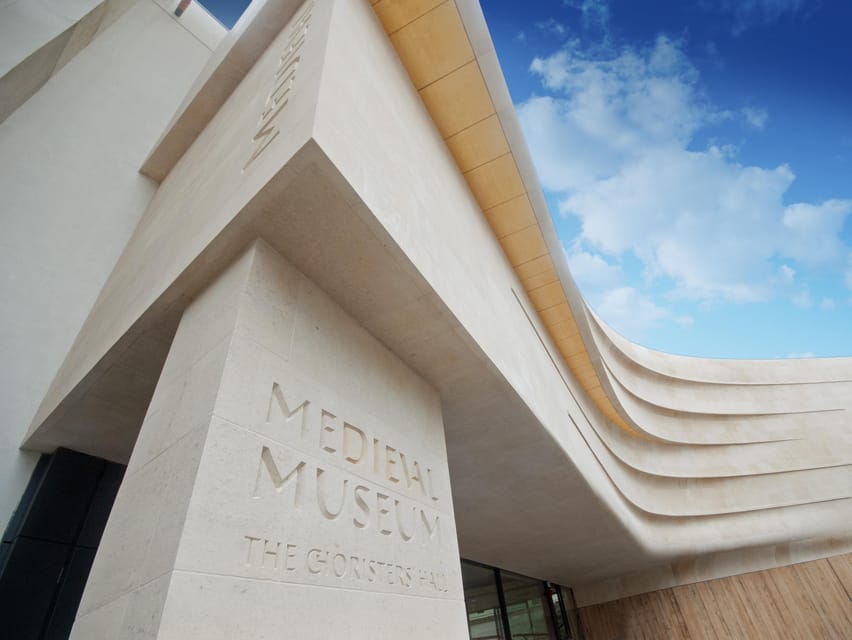
- Ireland’s only purpose-built medieval museum: The building was designed specifically to present Waterford’s medieval past.
- Major historic objects: See the Great Charter Roll and 15th-century cloth-of-gold church vestments.
- A compact Viking Triangle stop: The museum gives you more than 1,000 years of Waterford history in a short visit.
- Guided or self-guided choice: Ask at reception about the next guided tour, or begin exploring on your own.
- Good short-visit value: At $15 per person, this suits a morning or afternoon in Waterford when you want a focused indoor attraction.
Entering Waterford’s Viking Triangle
The Medieval Museum sits in Waterford’s Viking Triangle, an area built around the city’s long past. This is useful context before you enter. You are not visiting an isolated collection with no connection to its surroundings. The museum gives you a focused way to understand why Waterford matters as Ireland’s oldest city and how its medieval identity developed.
Your visit begins at the reception desk. This is where you ask about the next available guided tour or start the self-guided experience. That small step matters because the guided option is included only when available. If having a guide is important to you, do not assume that every entry time includes one.
The visit returns to the same building at the end. There is no transport, meal, or separate meeting point to manage, which keeps the experience easy to fit into a day of sightseeing around central Waterford.
More Museums in Waterford:
- Waterford Treasures: Medieval Museum Admission Ticket
★ 4.5 · 132 reviews - Irish Wake Museum Tour Rituals of Death and Celebration of Life
★ 5.0 · 115 reviews - Waterford: The Irish Wake Museum Guided Tour
★ 4.8 · 6 reviews
Down into the 1270 Choristers Hall
The first major stop is Choristers Hall, dating from 1270. This is one of the most effective parts of the visit because the room itself provides a sense of age and place that a newer exhibition hall cannot match.
The word undercroft may sound technical, but the idea is straightforward. These are ancient vaulted spaces below a larger building, and the Medieval Museum incorporates two of them. The museum is the only building on the island of Ireland with two ancient undercrofts built into it.
As you move through Choristers Hall, look for the way the architecture frames the objects. The room helps you picture medieval Waterford as a working city rather than a page in a textbook. You get a physical link to the people, church life, trade, and civic activity that shaped the city centuries ago.
The 45-minute duration means this is not a full-day museum. That is a strength if you want a clear, manageable stop. You can see the principal rooms and treasures without committing half a day, though you should allow closer to an hour if you read every display and take your time.
The 1440 wine vault and the city beneath the city
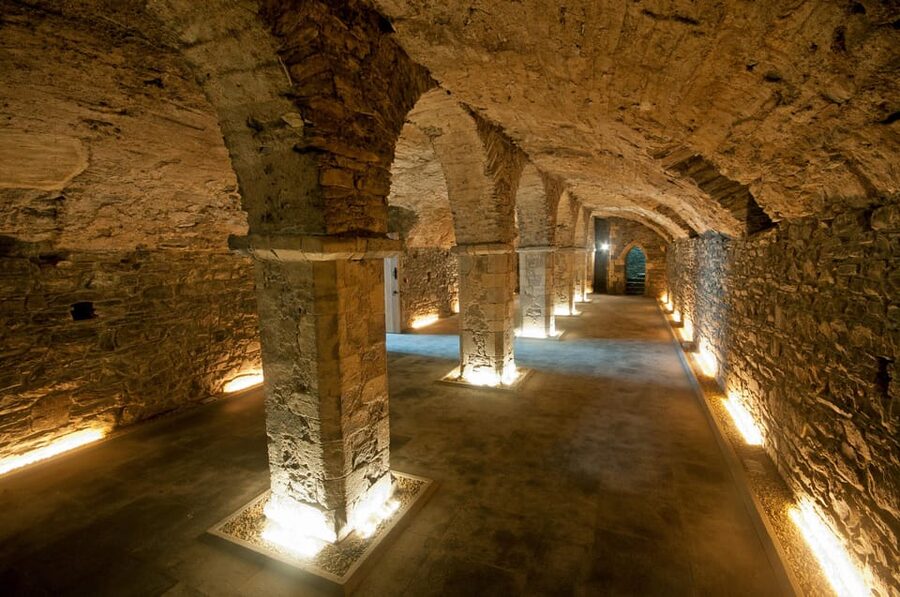
The second chamber is the wine vault, dating from 1440. Its name points to Waterford’s role in trade and commerce, and it adds a different note to the ecclesiastical material associated with Choristers Hall.
I like the contrast between these two spaces. The 13th-century hall takes you further back, while the 15th-century vault shows a later medieval city with established commercial links and storage needs. Together, the rooms give the visit a simple timeline: earlier medieval Waterford, then a later city with more developed trade and religious life.
You should expect the vaults to be a central part of the experience, not a quick architectural footnote. The museum’s appeal depends on the combination of preserved rooms and displayed objects. If you prefer museums with large galleries, interactive technology, or many hours of exhibits, this attraction may feel small. If you value original surroundings and a tight story, the compact size works in its favor.
The Great Charter Roll and royal connection
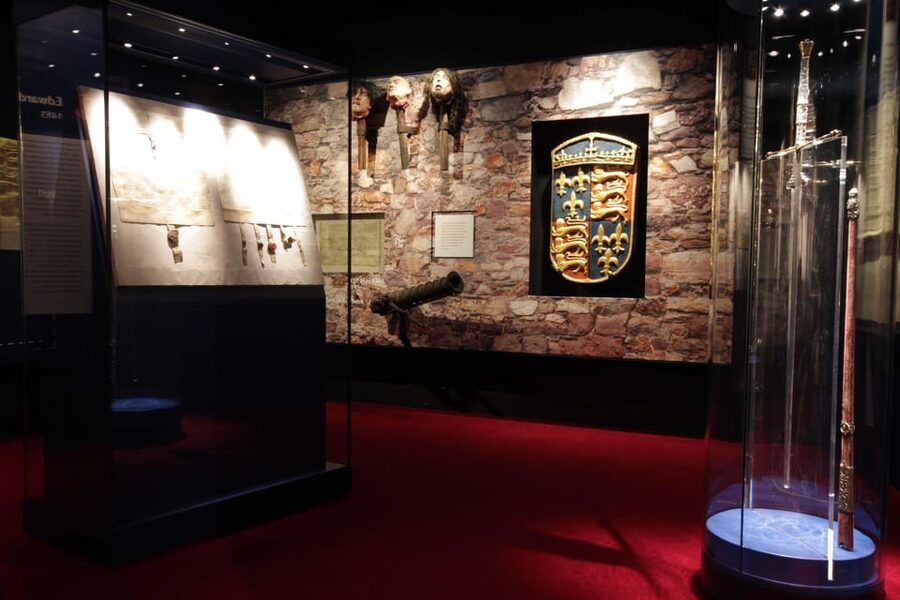
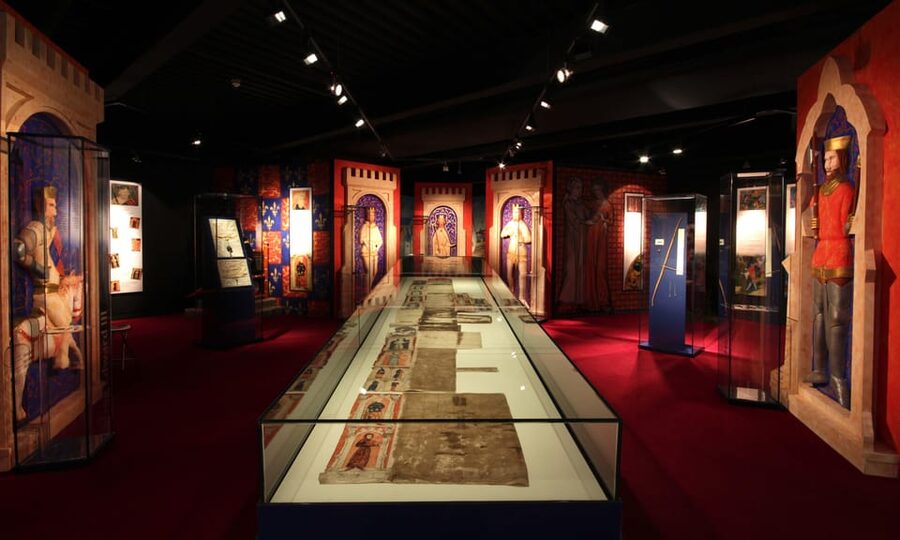
One of the museum’s key objects is the Great Charter Roll. It was viewed by King Charles III and the Queen Consort, a detail that gives the item a clear modern connection as well as its medieval importance.
The roll is valuable because it represents more than an old document. It connects Waterford to civic authority, administration, and the way medieval cities recorded their rights and identity. You do not need to be a specialist in medieval documents to appreciate the basic point: this is evidence of how the city understood and presented itself.
The museum places the roll among the major treasures of medieval Ireland. That makes it one of the objects to seek out rather than something to pass quickly. If you are short on time, make this and the cloth-of-gold vestments your two priorities.
A few more Waterford half-days to weigh up
- House of Waterford Crystal Guided Factory Tour
★ 4.5 · 2,303 reviews - Skip the Line: Hook Lighthouse Entrance Ticket and Guided Tour
★ 5.0 · 470 reviews - Waterford: House of Waterford Factory Tour
★ 4.8 · 256 reviews - Waterford Treasures: Epic Walking Tour
★ 4.5 · 152 reviews
The cloth-of-gold church vestments
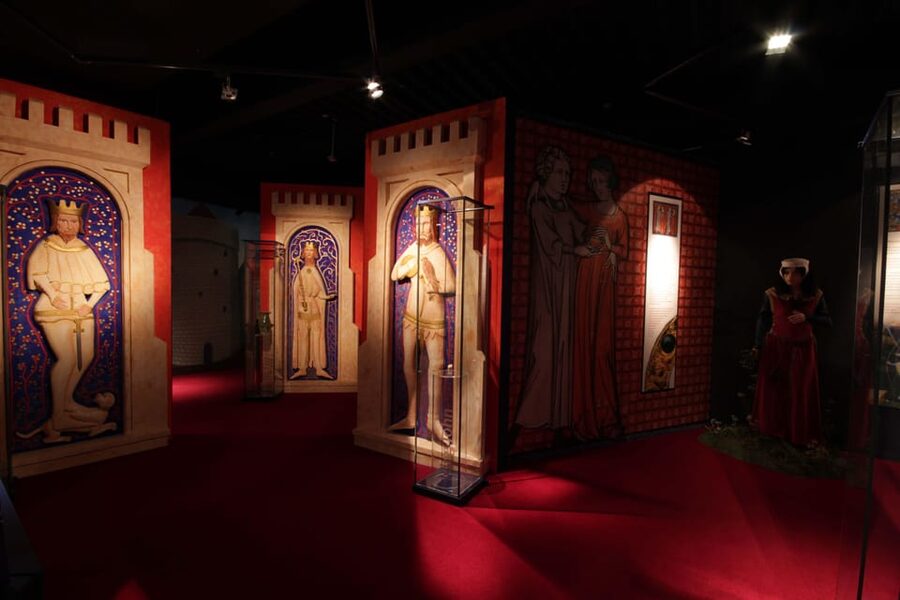
The 15th-century cloth-of-gold church vestments are likely to be the visual highlight for many people. Their material and workmanship offer a sharp contrast to the stone vaults around them.
Gold cloth is not ordinary fabric, and these vestments show the money, skill, and ceremony tied to medieval religious life. They also help you picture the color and display that existed inside churches, something that plain stone ruins often fail to convey.
I especially like this part of the collection because it speaks to the senses. You can think about the weight, shine, texture, and care required to make such garments. The object is not simply old. It shows how medieval people used clothing, craft, and ceremony to express status and devotion.
The museum’s strongest moments come when an object and its setting work together. The vestments supply the detail and human skill, while the undercrofts supply the physical setting. That pairing makes the visit more memorable than a room of unrelated artifacts.
Guided visit or self-guided exploration
A guided tour is included with your ticket when one is available. A guide can help connect the rooms, objects, and dates, especially if you want the story of Waterford explained in one continuous thread.
The practical issue is availability. The reception team will discuss guided tour options when you arrive. One reported problem involved paying for a guide and not receiving the guided experience, so I would ask a direct question before starting: Is the next visit guided, and is that included with this entry?
If the timing does not work, the self-guided option lets you proceed without waiting. This suits you if you like to set your own pace, pause at the Great Charter Roll, or spend extra time with the vestments. The tradeoff is that you may need to build the connections between the exhibits yourself.
No guide names are supplied for this experience, and you should not expect a named guide to be guaranteed. The useful distinction is not the individual guide but the format available on the day.
How much time should you allow?
The stated duration is 45 minutes. The visit description also gives an itinerary length of about one hour, which is a sensible allowance if you read the displays carefully or join a guided visit.
I would plan for 45 to 60 minutes inside the museum. That gives you enough time to see both undercrofts and the principal treasures without rushing. It also leaves room to visit other Waterford attractions in the Viking Triangle.
The short length makes this a good choice before lunch, after another city visit, or during a day when the weather is poor. You are not buying an attraction that requires complicated planning. The main thing to watch is the guided-tour schedule, since that can affect how long you wait and how you experience the exhibits.
Meals and drinks are not included, but the Bishop’s Palace Café is available. Souvenirs are also separate, with a gift shop at the Medieval Museum. These extras are optional, so the $15 ticket covers the core experience rather than bundling in items you may not want.
Is the $15 admission good value?
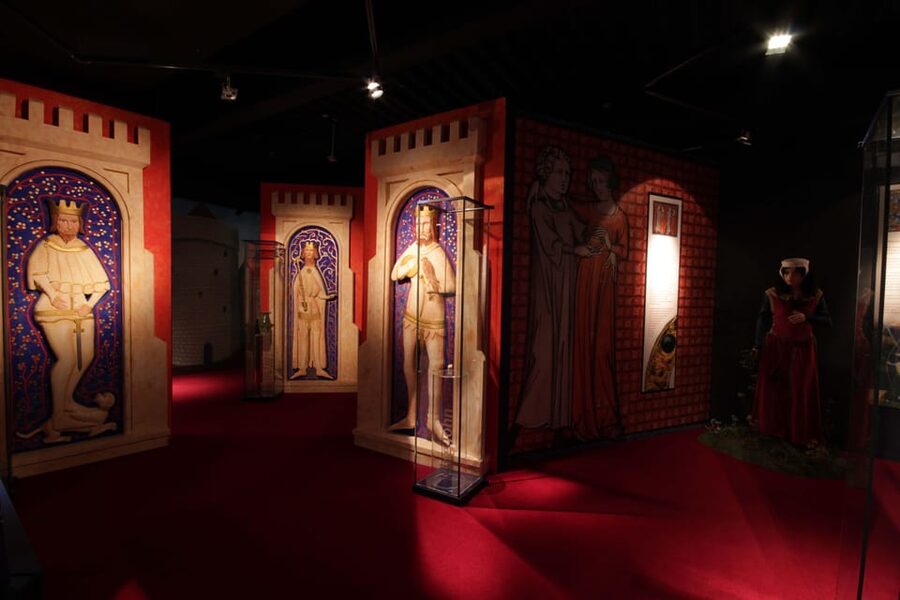
At $15 per person, the value depends on what you want from a museum. If you measure value by hours spent inside, the ticket may seem less generous than a large national museum. The visit is short, and the collection is focused.
I think the price is reasonable for the setting and the objects. You are paying to enter Ireland’s only purpose-built medieval museum, see two ancient undercrofts, and view important material including the Great Charter Roll and the cloth-of-gold vestments. Those are specific reasons to visit, not filler around a general city display.
The ticket makes the most sense when you are already spending time in Waterford. It gives you a concentrated piece of the city’s story without requiring a separate trip outside town. If you are interested in medieval buildings, church art, civic records, or Waterford’s place in Irish history, the admission offers solid value.
If you are mainly looking for entertainment, family activities, or a large number of interactive displays, you may find the experience too quiet and brief. The attraction is strongest for people who enjoy historic objects and original architecture.
Accessibility and practical comfort
The activity is listed as wheelchair accessible. That makes it a practical option for many visitors, though the supplied information does not give further details about routes, lifts, or the exact arrangement of the undercrofts. If you need specific access information, ask the reception team before beginning.
The museum is indoors, which gives you a useful break from wet or changeable Irish weather. The café and gift shop are available separately, so you can add a drink or browse for a souvenir after the visit.
Because the activity starts and ends at the Medieval Museum reception desk, you do not need to arrange a shuttle or find a second return point. This is especially handy if you are building a walking day around Waterford’s Viking Triangle.
Who should book the Medieval Museum?
I would recommend this experience to you if you want a short, focused look at Waterford’s medieval past. It suits history-minded visitors, people interested in church art and documents, and anyone who prefers original rooms to a modern attraction built around screens.
It also works well for a first visit to Waterford because it gives you a framework for understanding the city. The dates are clear, the route is manageable, and the displays point you toward some of the city’s most important surviving treasures.
Families with older children may find the ancient vaults and royal connection appealing, though the museum is likely to suit children who already enjoy history more than those looking for hands-on entertainment. The 45-minute length helps keep the visit from becoming tiring.
I would be more cautious if you are booking specifically for a guaranteed guided tour. Since tours depend on availability and one purchaser reported not receiving the guide they paid for, confirm the arrangement at reception. If no guide is running, decide if the self-guided option still meets your expectations.
Should you book it?
Book the Medieval Museum if you want to see real medieval spaces and major Waterford treasures in under an hour. The two undercrofts give the visit its strongest character, while the Great Charter Roll and cloth-of-gold vestments provide the standout objects.
At $15, it is a sensible addition to a day in Waterford, especially when you are already exploring the Viking Triangle. Just treat the guided tour as a possibility rather than a certainty, and ask at reception before you start. If you are happy with a self-guided visit, the museum offers a compact, worthwhile look at more than 1,000 years of the city’s story.
FAQ
Where is the Medieval Museum located?
The museum is in Waterford, County Waterford, Ireland, within the Viking Triangle.
How much does admission cost?
Admission costs $15 per person.
How long does the visit take?
The stated duration is 45 minutes. The museum itinerary also describes about one hour for a guided or self-guided visit.
Is a guided tour included?
A guided tour is included with the ticket when one is available. Ask at the reception desk about guided-tour availability when you arrive.
Can I visit without a guide?
Yes. If a guided tour is not available or does not suit your timing, you can begin a self-guided visit.
Where does the activity start?
Go to the reception desk at the Medieval Museum, also called Waterford Treasures: Medieval Museum.
Where does the activity end?
The visit ends back at the Medieval Museum meeting point.
What historic rooms will I see?
You will visit Choristers Hall, dating from 1270, and the wine vault, dating from 1440.
What important objects are displayed?
The museum includes the Great Charter Roll and 15th-century cloth-of-gold church vestments, among other medieval artifacts.
Is the museum wheelchair accessible?
Yes, the activity is listed as wheelchair accessible.
Are food and drinks included?
No. Meals and drinks are not included, though they are available at the Bishop’s Palace Café.
Can I buy souvenirs at the museum?
Souvenirs are not included, but the Medieval Museum Gift Shop is available.
Recently added around Waterford
- Waterford: The Irish Wake Museum Guided Tour★ 4.8 · 6 reviews
- Waterford: Mount Congreve Gardens Entry Ticket★ 5.0 · 7 reviews
- Semi Private tour Rock of Cashel – Cahir castle & Kilkenny★ 3.5 · 9 reviews
- Waterford, Kilkenny and House of Waterford Crystal★ 4.0 · 12 reviews
- Full day Private Tour from Waterford★ 4.5 · 14 reviews
- Irelands Ancient East Waterford Greenway Cycle Tours & Bike Hire★ 3.5 · 16 reviews
- Waterford Treasures: Walking Tour of the Viking Triangle★ 4.7 · 43 reviews
- Waterford Treasures: Bishop’s Palace★ 4.5 · 53 reviews
Waterford Tours, compared.

House of Waterford Crystal Guided Factory Tour
Read our review →
Skip the Line: Hook Lighthouse Entrance Ticket and Guided Tour
Read our review →
Waterford Treasures: Medieval Museum Admission Ticket
Read our review →
Irish Wake Museum Tour Rituals of Death and Celebration of Life
Read our review →

Browse the lists this tour appears in