
Reviewed · DUBLIN TOURS
Secret and unusual Dublin: guided walking tour
Dublin’s famous sights are only part of the story. This French-language walking tour uses places such as Temple Bar, Dublin Castle, and Trinity College as anchors, then turns toward rebellion remnants, Viking traces, Celtic symbols, street art, and corners most visitors would pass without noticing. I like that it gives you a broader feel for the city without asking you to spend hours inside museums.
I especially like the mix of history and everyday city culture, plus the relaxed tone reported by the guide’s audience. The humor, useful tips, and unusual anecdotes should make this a good first or second walk in Dublin. The main catch is that the tour is in French, and entrance fees for any sites visited are not included.
Key points to know before you book
- A two-hour route with a different angle on Dublin: You’ll see familiar landmarks, but the focus is on lesser-known stories and details.
- French-speaking live guide: The tour suits French speakers who want history, culture, and local color explained clearly.
- From Viking traces to rebellions: The subject matter covers several centuries, including independence movements and older symbols.
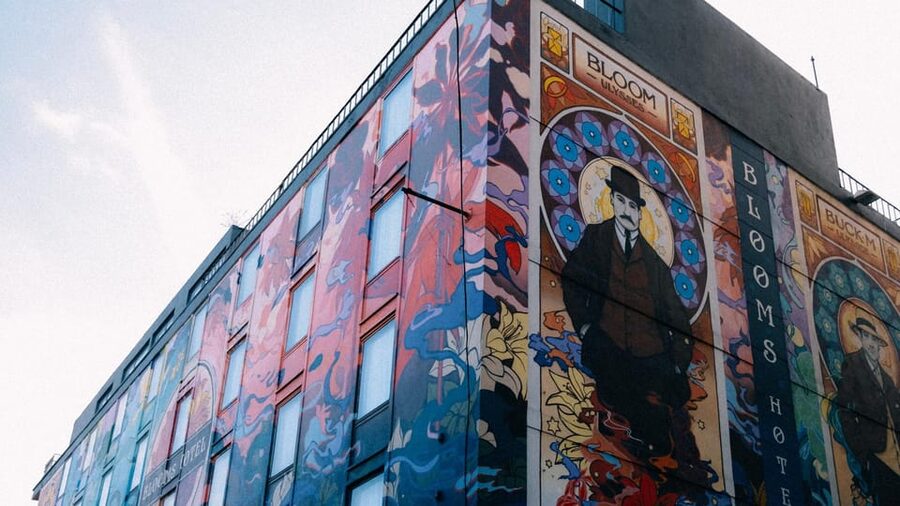
- Temple Bar beyond the pubs: Expect attention to street art, culture, music, and unusual corners rather than only the area’s nightlife image.
- Outdoor walking in Irish weather: Wear suitable clothing, since the experience takes place on city streets.
- Best for mobile walkers: The activity is not suitable for wheelchair users, and entry fees are extra where applicable.
Why this Dublin walk feels different
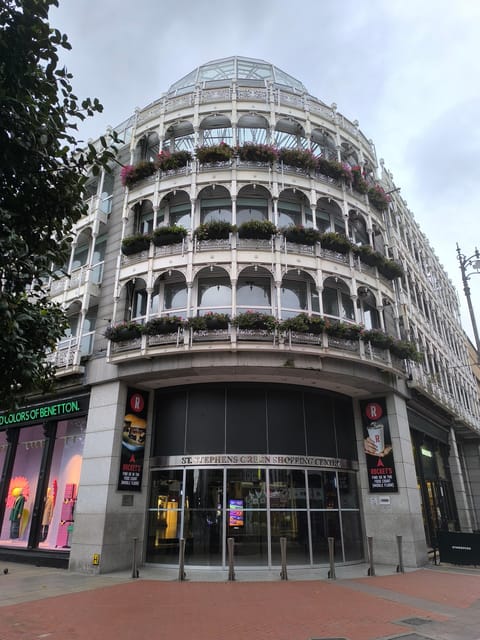
Many city walks in Dublin move from one famous building to the next, giving you a quick list of dates and names. This one takes a more curious route. You’ll still get short introductions and photo stops at major landmarks, but the guide’s real work is showing how different layers of Dublin overlap.
That might mean an old sign, a building detail, a Celtic symbol, a link to a songwriter, or a clue to one of the city’s independence rebellions. The appeal is not one grand monument. It is the change in scale. You move from national history to a small street detail, then from Viking heritage to modern art and culture.
I like this approach for a first full day in Dublin. You get your bearings, hear stories that can shape the rest of your visit, and collect ideas for places to return to later. It also works well for anyone who has already seen the standard sights and wants a less predictable walk through central Dublin.
The tone matters here. The available comments describe a friendly, well-informed guide with humor and useful information, along with some legendary tales. That suggests a conversational experience rather than a formal lecture. The guide is expected to explain the main facts, but also to point out the colorful stories that make a city memorable.
More Walking Tours in Dublin
- Dublin Highlights and Hidden Gems Guided Walking Tour
★ 5.0 · 6,020 reviews - Dublin: Highlights and Hidden Gems Walking Tour
★ 4.9 · 2,140 reviews - 1916 Rebellion Walking Tour
★ 5.0 · 1,605 reviews
Starting at the O’Connell Monument
The meeting point is in front of the O’Connell Monument at the bottom of O’Connell Street. This is a practical place to begin because O’Connell Street is one of Dublin’s major central routes and the monument gives you a clear landmark.
The starting point also fits the subject. Daniel O’Connell is closely tied to Irish political history, so the tour begins in an area where public memory and national identity are already visible. From there, the walk can set up the larger story of rebellion, independence, and the changing character of Dublin.
You should arrive ready to walk rather than expecting a coach or a series of transfers. The tour lasts two hours, which is long enough for a useful introduction but short enough to fit around lunch, another booking, or an afternoon visit to a museum.
Because the route is outdoors, comfortable shoes matter more than dressing up. Bring a rain layer or other clothing suited to Irish weather. Dublin can change quickly, and a wet stretch is less enjoyable if you are relying on a thin jacket or unsuitable footwear.
Temple Bar beyond the postcard view
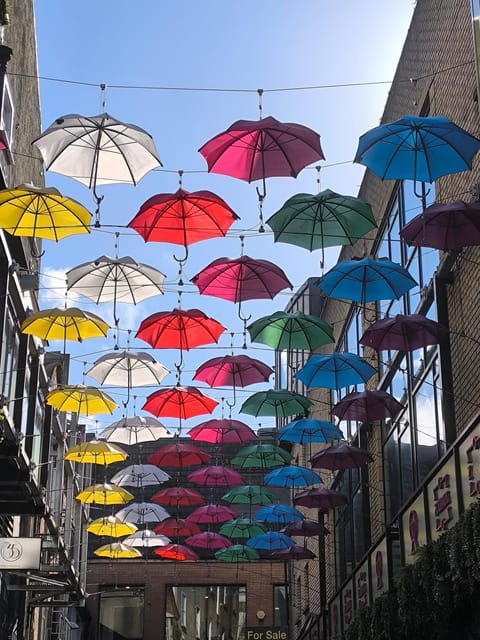
Temple Bar is one of Dublin’s best-known districts, but the tour does not treat it simply as a place for pubs and photographs. The guide uses the area to discuss street art and culture, giving you a more complete picture of a quarter that is often reduced to its nightlife.
This is one of the strongest parts of the route for visitors who want to understand how Dublin presents itself today. You may see the tourist-facing side of Temple Bar, but the guide’s stories and observations should point you toward less obvious details. The value comes from learning to look beyond the surface.
The stop also connects with the tour’s wider subjects. Modern street culture sits alongside older buildings, literary references, music, and political memory. That mix helps explain why central Dublin can feel both historic and current within a short walk.
Do not expect a long stop inside a pub, gallery, or attraction. Entrance fees are not included, and this is fundamentally a guided street walk. If you want a structured visit to a specific indoor site, you would need to arrange that separately.
Rebellion traces and the city’s political memory
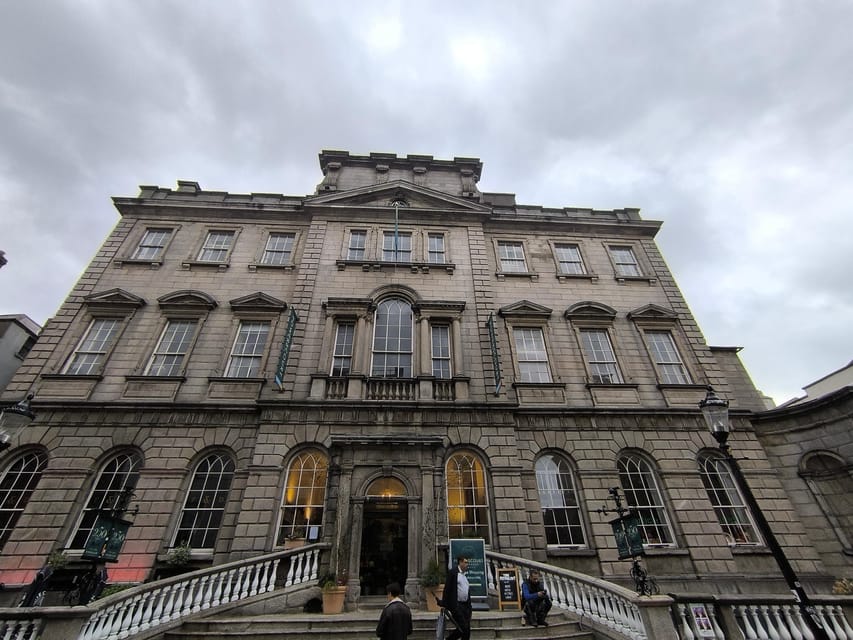
The tour includes remnants linked to Ireland’s old independence rebellions. The information provided does not identify each site in advance, so you should think of this as a story-led introduction rather than a guaranteed visit to a particular museum or memorial.
That uncertainty is not necessarily a weakness. A guide can use streets, buildings, and small physical traces to explain how political events affected central Dublin. You may come away with a better sense of how rebellion is recorded in the city, even when the evidence is not displayed in a large, formal exhibit.
I like this part because it gives context to buildings you might otherwise photograph and forget. Dublin’s political past is not confined to one attraction. It appears in monuments, street names, damaged facades, public symbols, and the stories attached to ordinary-looking places.
The guide also covers other centuries, so the political section is one thread rather than the entire tour. That balance should suit you if you want history without spending two hours on dates and battles.
A different sort of day from the same base:
- Dublin to Cliffs of Moher, including Wild Atlantic Way and Galway
★ 5.0 · 23,331 reviews - From Dublin: Cliffs of Moher, Burren & Galway City Day Tour
★ 4.8 · 18,888 reviews - Dublin: Guinness Storehouse Entry Ticket
★ 4.6 · 16,863 reviews - Dublin to Cliffs of Moher, Burren, Wild Atlantic Way, Galway Tour
★ 5.0 · 12,924 reviews
Viking heritage and older layers of Dublin
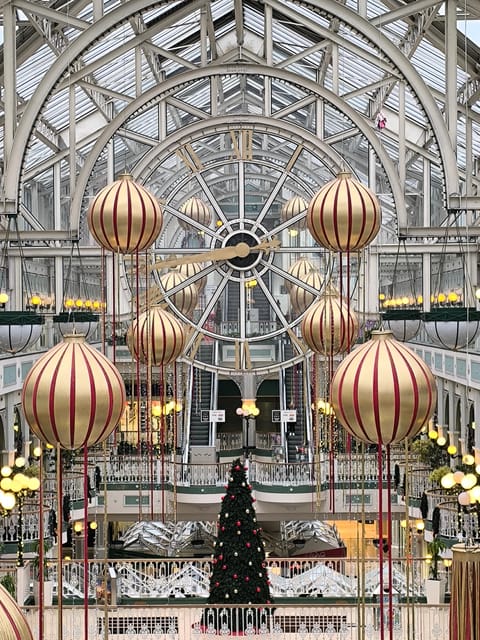
Viking heritage is another featured subject. The tour does not promise entry to a Viking attraction, but it does use the city itself to introduce an older layer of Dublin’s past.
This is useful because Dublin can seem overwhelmingly Georgian, Victorian, or modern at street level. A discussion of Viking roots reminds you that the city has been shaped by several distinct periods. The guide may connect older references to present-day streets or symbols, helping you picture Dublin as a place that changed over time rather than appearing fully formed.
Celtic symbols and their meanings are also part of the program. This gives the tour a cultural angle beyond architecture and politics. Symbols can be easy to overlook, especially when you are rushing between major sights, so having someone explain what to notice adds value to the walk.
Since the exact stops are not named, you should not book this expecting a detailed archaeological tour. It is better understood as a lively introduction, with the guide selecting unusual corners and using them to explain broader themes.
Music, literature, and the stories behind buildings
Dublin’s links to music and literature are included alongside its political and Viking past. Again, the appeal is the range. In two hours, you are not studying one writer, musician, or architectural period in depth. You are collecting connections that make central Dublin easier to read.
The literary and musical references should be especially useful if you plan to visit other cultural sites later. A short explanation in the street can help you recognize why a building, lane, or district matters. It can also give you a better sense of Dublin as a creative city, rather than only Ireland’s political capital.
The route includes emblematic buildings from other centuries, though no complete list is provided. Expect exterior explanations and photo stops rather than a guaranteed interior visit. That distinction matters because the price does not cover admission to sites along the way.
I appreciate the guide’s freedom to add anecdotes here. The most memorable city stories are often not the official ones. A humorous detail, an odd local legend, or a connection between a building and a cultural figure can stay with you longer than a paragraph from a guidebook.
Dublin Castle and the central landmarks
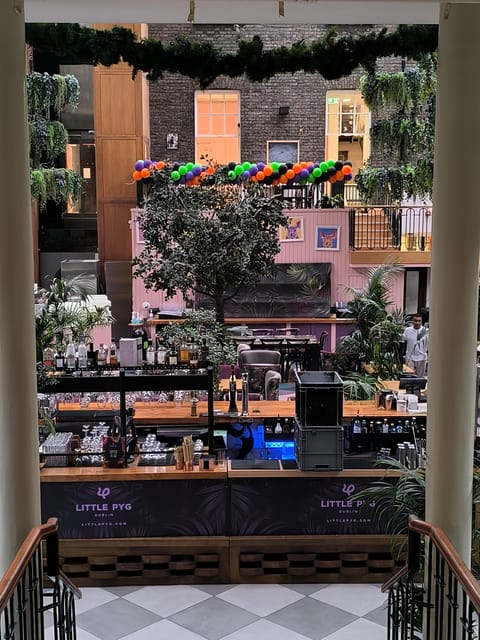
Dublin Castle is one of the named stops. It gives the walk a major landmark where the guide can connect architecture, government, and the city’s changing political story.
You should expect a guided look at the castle area rather than an included castle admission. The information specifically excludes entrance fees, so check your priorities before booking. If you want to tour interiors, you may need a separate ticket and additional time beyond the two-hour walk.
Even from outside, Dublin Castle helps tie together several subjects on the route. Its presence gives the guide a strong reference point for discussing earlier centuries, power, rebellion, and the way Dublin’s architecture reflects different periods.
This is also a useful pause in the route because a major sight gives structure to the less obvious stops. The tour does not leave you wandering only through obscure lanes. It alternates familiar places with smaller details, which makes the route easier to follow and more rewarding for a first visit.
Powerscourt Townhouse and the final approach
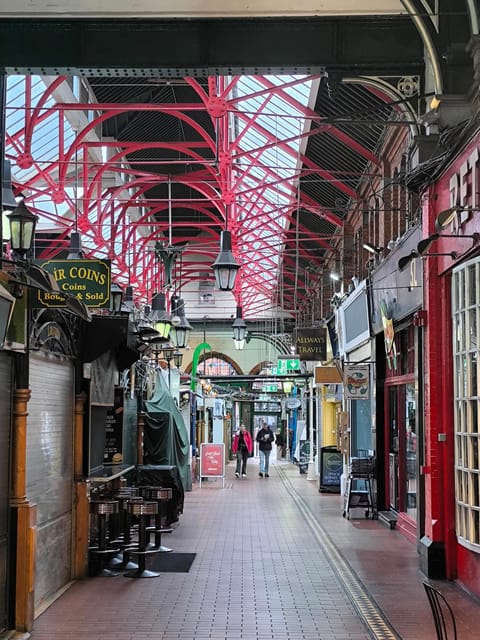
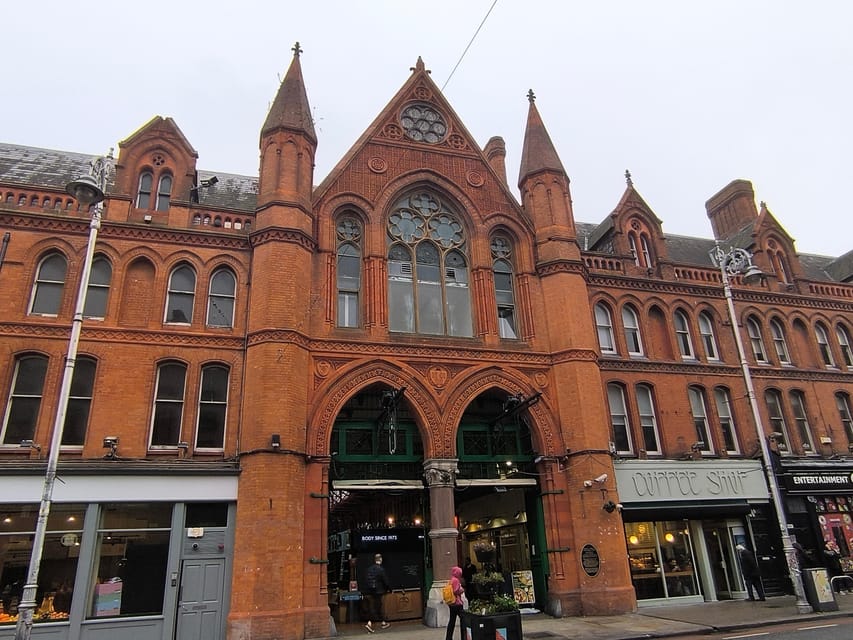
Powerscourt Townhouse is another named stop. The building offers a different architectural note from Dublin Castle and adds another example of how central Dublin’s streets contain layers from different eras.
The route then finishes with Trinity College listed as the final sightseeing point. Trinity is one of the city’s most recognizable institutions, so ending there gives you a strong landmark and a useful location for continuing your day.
There is a small practical point to clarify before booking. The route information names Trinity College as the finish, while the meeting-point details say the activity ends back at the meeting point. Those descriptions do not perfectly match, so confirm the exact end location and walking plan when you reserve. It may affect where you schedule lunch or your next timed entry.
The finish near Trinity is convenient if you want to continue exploring central Dublin. Still, the activity does not include entry to Trinity College or any other attraction. Treat the walk as an outdoor introduction, then decide which interiors deserve a separate visit.
What the $57 price gives you
At $57 per person, this is not the cheapest way to walk through Dublin. You are paying for a two-hour guided experience in French, with a route designed around unusual details rather than a simple list of major sights.
The price makes more sense if you value interpretation. A free map can show you Temple Bar, Dublin Castle, Powerscourt Townhouse, and Trinity College. It cannot easily explain the connection between Viking heritage, Celtic symbols, rebellion traces, street art, music, and literature while you stand in the places being discussed.
The cost is less attractive if you want extensive access to buildings. Admission is not included, and the tour does not promise long interior visits. In that case, compare the price with your plans for castle tickets, museums, or other paid attractions.
For a French-speaking visitor, the language can be a major part of the value. A guide who can explain jokes, legends, historical links, and cultural references in French may make the city much easier to understand than an English-only walk.
The experience also offers free cancellation up to 24 hours before the start and a reserve-now, pay-later option. Those features help if your Dublin schedule is still shifting, though you should still check the exact starting time when selecting a date.
Who should book this walk
I would choose this for a French-speaking visitor who wants a compact introduction with more personality than a standard landmark tour. It is a good fit if you enjoy stories, symbols, architecture, and cultural connections, and if you are happy to learn from streets and exteriors rather than spend the whole time inside attractions.
It should also suit anyone who likes a relaxed pace. The comments connected with the experience point to friendliness, humor, useful information, and a pleasant atmosphere. That combination can make a short tour feel less hurried.
Families with older children may appreciate the mix of Vikings, rebellions, legends, and unusual places, though the activity details do not specify an age range. You will need to judge whether two hours of walking and listening suits your group.
I would hesitate if you need wheelchair access. The activity is specifically not suitable for wheelchair users. I would also choose another option if you want a private tour, an English-language guide, or guaranteed entry to Dublin Castle or Trinity College, since none of those features is provided here.
Practical advice for making the most of two hours
Wear shoes that can handle city walking and bring clothing for rain or wind. The route is outdoors, and Irish weather can change during a short outing.
Keep your schedule flexible around the walk. Since the final location is described both as Trinity College and as the original meeting point, confirm where you will actually finish before arranging a timed activity afterward.
If a particular attraction matters to you, ask about admission before booking. Entrance fees are not included, and the tour’s purpose is explanation and discovery rather than a full visit inside each named site.
I would take a small notebook or use your phone for quick notes. The route covers many subjects, from Celtic symbols to music and literature, and a few written reminders can help you follow up later.
Should you book Secret and Unusual Dublin?
Book it if you want a French-speaking guide, a friendly pace, and stories that reach beyond Dublin’s headline sights. The strongest reason to choose it is the combination of familiar landmarks and less obvious details, with humor and local anecdotes keeping the two hours from feeling like a history class.
Skip it if you need step-free access, a full indoor sightseeing program, or a tour conducted in English. For everyone else, the $57 price is reasonable when you value the guide’s interpretation and want a fresh way to read central Dublin. Just dress for the weather, confirm the final meeting point, and remember that attraction tickets cost extra.
FAQ
Where does the tour start?
It starts in front of the O’Connell Monument at the bottom of O’Connell Street.
Where does the tour finish?
The route information identifies Trinity College as the finish, while the meeting-point details say the activity ends back at the meeting point. Confirm the exact end location when booking.
How long does the tour last?
The walking tour lasts two hours.
What language is the tour in?
The live guided tour is in French.
How much does the tour cost?
The listed price is $57 per person.
Are entrance fees included?
No. Entrance fees for visited sites are not included.
Does the tour enter Dublin Castle or Trinity College?
The activity information does not promise interior admission to either location. Entrance fees are excluded, so treat the tour as a guided outdoor visit unless the provider confirms otherwise.
What should I wear?
Bring clothing suitable for Irish weather. Comfortable walking shoes and rain protection are sensible choices for this outdoor activity.
Is the tour suitable for wheelchair users?
No. The activity is stated to be unsuitable for wheelchair users.
Can I cancel for a refund?
Yes. You can cancel up to 24 hours in advance for a full refund.
Do I have to pay when I reserve?
No. A reserve-now, pay-later option is available, allowing you to book without paying immediately.
Recently added around Dublin
- Dublin: Pub Tour. Pour The Perfect Guinness, Whiskey & Music★ 5.0 · 3 reviews
- Waterford Crystal and Kilkenny Full-Day Rail Tour from Dublin★ 5.0 · 3 reviews
- Cliffs of Moher and The Burren Private Tour from Dublin★ 5.0 · 3 reviews
- Private Chauffeur Service From Dublin Airport to Killarney★ 5.0 · 3 reviews
- Beautiful Southwest Tour 2022★ 5.0 · 3 reviews
- A Self Guided Walking Tour of Dublin’s Docklands★ 4.5 · 3 reviews
- Dublin One Day Tour with a Local: 100% Personalized & Private★ 4.5 · 3 reviews
- Ireland: 3-Day West Coast Explorer Tour★ 5.0 · 3 reviews
Dublin Tours, compared.

Dublin to Cliffs of Moher, including Wild Atlantic Way and Galway
Read our review →
Cliffs of Moher, Burren & Galway City Day Tour
Read our review →

Dublin to Belfast Black Cab, Dunluce Castle and Giant’s Causeway
Read our review →
Kilkenny, Wicklow Mountains & Glendalough Day Tour from Dublin
Read our review →
Wicklow Mountains, Glendalough & Kilkenny Tour
Read our review →

Dublin Highlights and Hidden Gems Guided Walking Tour
Read our review →Browse the lists this tour appears in