
Reviewed · DUBLIN TOURS
The Dublin Private Walking Tour
Dublin reveals itself best on foot, and this tour gives you a fast, friendly route through the city’s key stories. You move from music and pub culture in Temple Bar to Irish politics, famine memory, Georgian architecture, and the literary world around Merrion Square. The private format lets you ask questions, slow down, or shift the focus.
I like the personal guide and the way the walk links places that can feel scattered on a map. I also like the useful extras: restaurant and pub suggestions, photo help, toilet breaks when needed, and umbrellas. The main consideration is pace. Fourteen stops in about three hours means you get an excellent orientation, but not an in-depth visit inside every major attraction.
Key points before you book
- Fourteen central Dublin stops: The route covers Temple Bar, the River Liffey, Trinity College, Grafton Street, St. Stephen’s Green, Georgian Dublin, Parliament, and Oscar Wilde.
- A private group setting: Your party has the guide to itself, making it easier to ask questions and tailor the conversation.
- A strong first-day tour: The walk is designed to help you get your bearings and choose which places deserve a longer visit later.
- Guides with different strengths: Pasquale is praised for humor and Irish history, Conor for local insight, photos, music, and Irish language skills, while Sharon and Seamus also lead tours.
- No attraction admission is listed: The stops are viewed from outside or enjoyed as public spaces, with a stroll through the Trinity campus.
- Good rain-day planning: Umbrellas are provided, but comfortable walking shoes and a light rain jacket still make sense.
What this Dublin walk does best
This is an orientation tour rather than a museum tour. You are not spending an hour inside Trinity College’s Old Library or taking a guided visit through Dublin Castle. Instead, you get the city’s broad story in a connected walk, with a guide explaining how music, politics, religion, literature, public memory, and everyday Dublin fit together.
That approach has real value on a first visit. Dublin’s center is compact, but its sights can seem like unrelated postcard stops until somebody explains the links. The tour begins in Temple Bar and finishes near Merrion Square, so you cross much of the central area without spending your day on buses or repeatedly checking a map.
The private setup matters. If you want more music history, current Irish politics, family-friendly pauses, or food advice, you can say so. Guides have adapted walks for different interests, including playground suggestions for families, and the pace can be adjusted. A three-hour walk still asks for steady movement, but it does not have to feel like a race.
More Walking Tours in Dublin
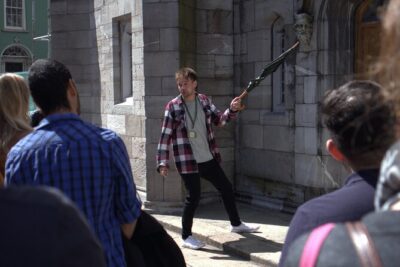
- Dublin Highlights and Hidden Gems Guided Walking Tour
★ 5.0 · 6,020 reviews - Dublin: Highlights and Hidden Gems Walking Tour
★ 4.9 · 2,140 reviews - 1916 Rebellion Walking Tour
★ 5.0 · 1,605 reviews
Starting with Irish music at Claddagh Records
The meeting point is Travelling Ireland’s office at 8 Cecilia Street in Temple Bar. The first stop, Claddagh Records, offers a neat introduction to Ireland through music and the famous Claddagh ring.
Music is not treated as background decoration here. The Claddagh name brings together Irish identity, local design, and the country’s long connection with traditional and modern music. If you know U2, Phil Lynott, Van Morrison, Sinéad O’Connor, or The Cranberries, the next stop gives that interest a wider frame.
You should expect a short explanation and a photo opportunity, not a shopping session or a long indoor visit. The stop is free, and its main purpose is to set the tone for the rest of the walk.
The Wall of Fame and Dublin’s musical roll call
The Wall of Fame celebrates well-known Irish performers, including U2, Phil Lynott, Van Morrison, Sinéad O’Connor, and The Cranberries. It is a quick stop, but it helps show how much of Ireland’s international cultural image has come through music.
This is also one of the places where a private guide can make the difference. You can ask about a favorite singer or band instead of receiving a fixed speech and moving on. Guides such as Pasquale and Conor are described as comfortable connecting historical subjects with pop culture, which should help keep this part lively.
Do not expect a full music-history tour. The wall is a brief visual stop. Think of it as a conversation starter and a pleasant way to begin exploring Dublin’s cultural identity.
Temple Bar beyond the pub sign
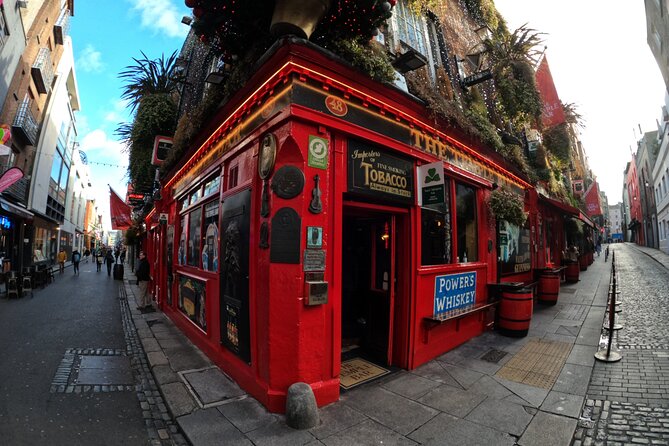
Temple Bar Pub dates to 1840, and the surrounding district is one of Dublin’s most recognizable areas. The tour explains the history of the neighborhood and takes you along its cobblestoned streets.
Temple Bar can be enjoyable, but it can also feel heavily packaged for visitors. That is precisely why a local guide is useful. You can learn what the area represents, how its reputation developed, and how to separate a famous photo stop from the places you may actually want to return to for a meal or a drink.
The pub itself is listed as a free stop, not as an included tasting or reserved visit. If you want to go inside afterward, ask your guide for advice. Restaurant and pub recommendations are included, but the cost of food and drinks is not.
A different sort of day from the same base:
- Dublin to Cliffs of Moher, including Wild Atlantic Way and Galway
★ 5.0 · 23,331 reviews - From Dublin: Cliffs of Moher, Burren & Galway City Day Tour
★ 4.8 · 18,888 reviews - Dublin: Guinness Storehouse Entry Ticket
★ 4.6 · 16,863 reviews - Dublin to Cliffs of Moher, Burren, Wild Atlantic Way, Galway Tour
★ 5.0 · 12,924 reviews
Crossing the Ha’penny Bridge
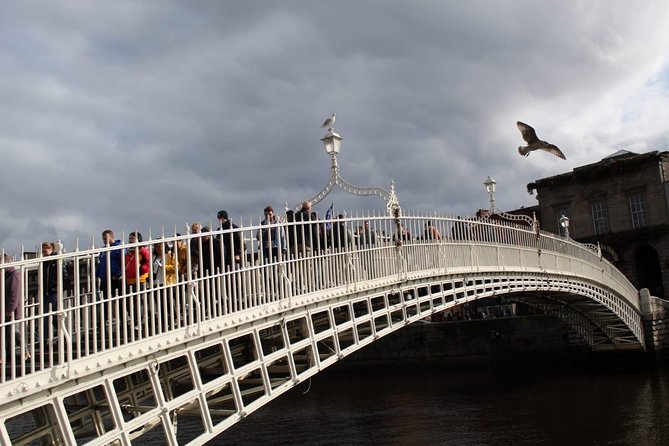
The Ha’penny Bridge carries the walk over the River Liffey and provides one of the clearest moments of visual orientation. Your guide covers the bridge’s past and uses the river to explain aspects of Dublin’s social and economic divide.
This is a good example of the tour’s value. A bridge takes only a minute to cross, but the Liffey can help you understand the city’s layout. You begin to see north and south Dublin as connected parts of one city rather than separate clusters of attractions.
Allow time for photographs, especially if your group enjoys stopping. The bridge is a public crossing, so it can be busy. The tour’s stop is short, and the focus is on context rather than a long pause.
College Green and the old Parliament House
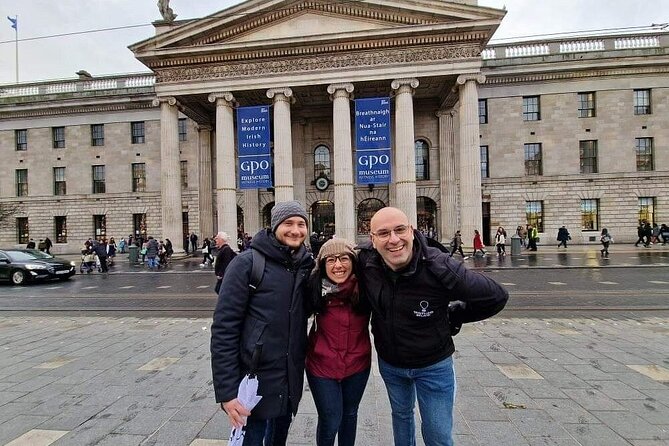
At College Green, you get a compact lesson in Irish public life and architecture. The Bank of Ireland building occupies the north side of the three-sided plaza. Until 1800, it served as Ireland’s Parliament House.
Trinity College is on the east side, while 19th-century buildings frame the south. This one square gives you several layers of Dublin at once: government, education, commerce, and the city’s formal architectural style.
I like this stop because it rewards careful looking. You do not need an admission ticket to understand why the buildings matter, and the guide can point out connections that are easy to miss when you are simply walking toward Trinity.
A stroll through Trinity College Dublin
Trinity College is Ireland’s oldest college, and the tour includes a walk inside its campus. This is an important distinction: the itinerary promises a campus stroll, but it does not list admission to the Old Library, the Book of Kells, or another ticketed attraction.
That makes the stop useful as an introduction. You can see the college setting, hear about its past and present, and decide if you want to return for a separate visit. If the Book of Kells is high on your list, plan that as its own activity and check its admission arrangements separately.
Fifteen minutes goes quickly, so do not expect a full campus tour. The advantage is that Trinity fits naturally into the walking route without turning the whole afternoon into an indoor attraction visit.
Molly Malone, folklore, and a famous Dublin song
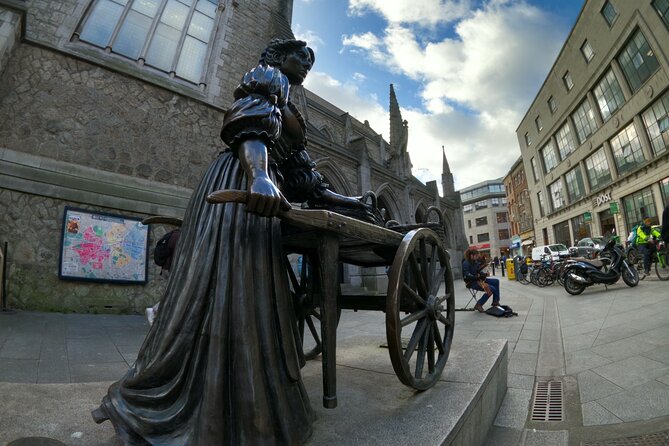
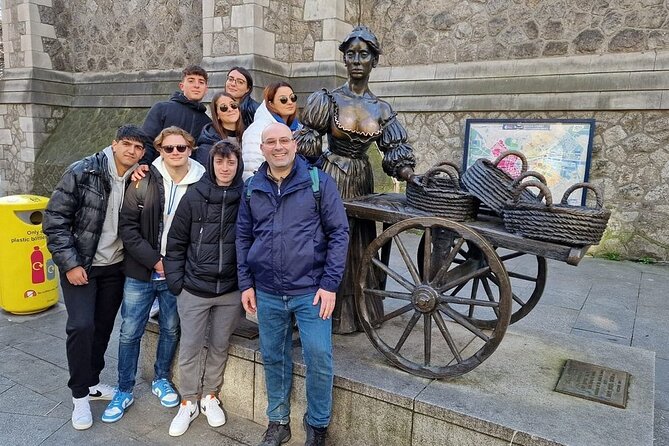
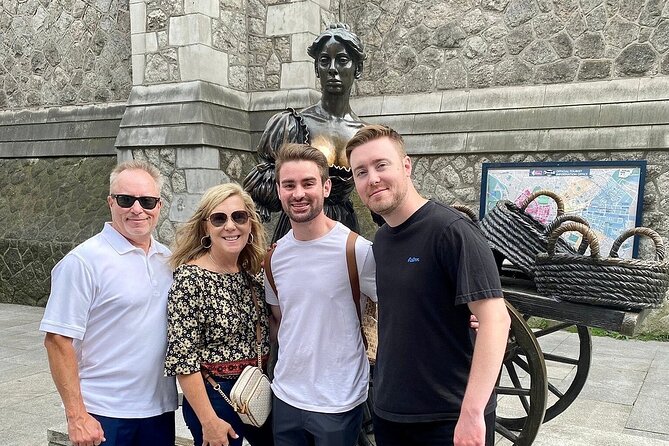
The Molly Malone statue is one of Dublin’s familiar meeting points. Here the guide explains Molly Malone’s life as folklore and discusses the famous song associated with the Dubliners. St. Andrew’s Church is nearby and adds another architectural reference to the stop.
This is a light section of the tour, but it has a useful role. Not every part of Dublin’s identity comes from official records. Songs, stories, statues, and local legends shape the way people remember a city, even when the details are hard to pin down.
The statue is a quick public stop. You get the story and a picture, then continue toward Grafton Street.
Grafton Street’s performers and shop windows
Grafton Street is one of Europe’s busiest shopping streets, with Brown Thomas offering luxury brands. It is also known for street performers, musicians, and poets who appear along the route.
This gives the tour a welcome shift from formal history to present-day Dublin. You can watch the street scene, browse shop windows, and get a feel for how the center is used by locals and visitors. St. Stephen’s Green is at the top of the street, so the route naturally moves from shopping into parkland.
The stop is not a shopping excursion. If you want time inside Brown Thomas or other shops, plan to return after the tour. The guide’s role here is to explain the street and its character, not manage a retail itinerary.
St. Stephen’s Green and a slower patch of Dublin
St. Stephen’s Green is Dublin’s central park, with swans, ducks, and other wildlife. After several streets and plazas, the green space gives your feet and eyes a break.
This is one of the better places for families. The route allows a pause, and the park gives younger children something to watch beyond buildings and statues. It is also a good photo setting, though the length of the stop depends on the overall pace and your group’s interests.
The park is public, and no admission fee is listed. If you enjoy gardens, birds, or quiet walks, you may want to return for a longer visit after the tour.
The Famine Memorial and difficult Irish memory
Edward Delaney’s Famine Memorial uses thin, struggling figures to remember those who suffered and died during the Great Famine. The sculpture gives the tour a serious turn.
A short walking tour cannot explain every cause and consequence of the famine, but a good guide can provide a starting point and explain why this memory remains central to Ireland. This is not a decorative monument to rush past. Give it a moment, listen carefully, and ask questions if you want more context.
The stop is outdoors and free. Its emotional weight may not suit every child, but the guide can adjust the discussion for the group.
Wolfe Tone, the Taoiseach, and Irish government
Theobald Wolfe Tone’s statue is in front of the Shelbourne Hotel. Tone is widely regarded as the father of Irish republicanism, so this stop brings political history into the walk.
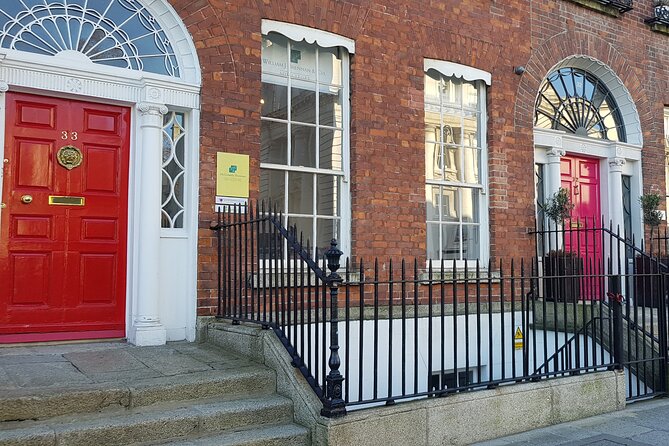
The route then continues toward the Department of the Taoiseach, the government department serving Ireland’s head of government. In the surrounding Georgian area, your guide discusses buildings, architecture, and the city’s political past.
This pairing is especially useful if you want more than names and dates. Wolfe Tone represents an earlier phase of Irish republican thought, while the Taoiseach’s department connects the story to the modern state. Ask your guide about current Irish politics if that interests you. The tour includes room for present-day context, not only old events.
Leinster House and the business of government
Leinster House was once the Dublin residence of the Duke of Leinster. Since 1922, it has served as the parliament building of the Irish Free State.
The building helps you see how Dublin’s political center developed through changing systems of power. It also adds a useful counterpoint to Trinity College and the Georgian streets nearby. Education, aristocratic life, government, and national independence all appear within a small walking area.
This is an exterior stop. You are not booking a parliamentary sitting or an interior visit, so keep your expectations focused on the building’s role and the guide’s explanation.
Oscar Wilde and Georgian Merrion Square
The final stop is Edward Delaney’s Monument to Oscar Wilde in Merrion Square Park. Nearby is Wilde’s former 18th-century home, and the square itself is a fine example of Georgian urban design.
Ending here works well. The walk moves from public political memory to literature and personality, with the park offering space to pause after a full circuit of central Dublin. Oscar Wilde also brings the tour back to the city’s artistic side after its sections on government and famine.
The endpoint is the Oscar Wilde Monument on Merrion Square North. It is not the same place as a museum visit, so you should make separate plans if you want to explore Wilde’s home or other nearby attractions in detail.
What the private format is worth at $163.26
The listed price is $163.26 per person. That is a serious cost for a three-hour walk, especially if you are comparing it with a large public walking tour. The value improves when several people share the private guide and when you care about questions, pace, and personal recommendations. Group discounts are available, though the exact saving is not provided.
You are paying for a licensed guide, private attention, local suggestions, photo opportunities, umbrellas, and a route that covers a wide range of central sights. You are not paying for attraction admissions, meals, or drinks. Since the itinerary emphasizes outdoor stops, this tour is best judged as a city introduction rather than a bundle of tickets.
I would book it early in a Dublin stay, ideally on your first full day if the schedule allows. The tour is booked an average of 55 days ahead, so popular dates may disappear well before arrival.
Guides, pace, and useful extras
Pasquale appears to be a frequent guide and is described as warm, funny, passionate about Irish history, and good at keeping a smooth pace. Conor is praised for communication, local knowledge, photos, music, dancing, and fluency in Irish. Sharon and Seamus also lead the walk, with Seamus noted for adapting the route and conversation to personal interests.
You may not be able to choose a specific guide unless the provider confirms it. If Pasquale or Conor is important to you, ask before booking rather than assuming.
The tour includes rest and toilet breaks if needed, and guides can take pictures at the stops. One guide has provided a link with photographs, route pins, and music as a keepsake. Treat that as a possible guide-specific extra, not a guaranteed feature for every departure.
Wear good walking shoes. One piece of practical advice is especially sound for Dublin: bring a light rain jacket even if the forecast looks friendly. Umbrellas are provided, but wind and quick showers are part of city walking.
Who will enjoy this most
I would choose this tour for a first visit, a short Dublin stay, or a family group that wants a clear city overview without joining strangers. It also suits repeat visitors who want a local guide to connect Irish politics, music, folklore, and architecture.
It is a good match if you like asking questions or changing the emphasis as you go. It is less suitable if your main goal is extended indoor sightseeing, long museum visits, or a slow photography walk. Fourteen stops in three hours gives you breadth, not prolonged time at each place.
Most age groups can take part, and the experience is family-friendly. Service animals are allowed, public transportation is nearby, and most people can participate. The route still involves several hours on foot, so consider your group’s stamina before booking.
Should you book the Dublin Private Walking Tour?
Book it if you want a strong first look at Dublin with a guide who can explain the city in plain terms and adjust the walk to your interests. The route gives you Temple Bar, the Liffey, Trinity, Grafton Street, parks, monuments, Georgian Dublin, and Ireland’s political center in one compact outing.
Skip it if you want admission to major attractions included or if the $163.26 per-person price does not fit your budget. For the right group, though, the private format can justify the cost, especially when you use the guide’s advice to plan the rest of your Dublin stay.
Free cancellation is available up to 24 hours before the local start time. Cancellations or changes made inside that window are not accepted for a refund.
FAQ
How long is the Dublin Private Walking Tour?
The tour lasts approximately three hours.
Where does the tour begin?
It begins at Travelling Ireland Viaggiare in Irlanda, 8 Cecilia Street, Temple Bar, Dublin, D02 RW82, Ireland.
Where does the tour end?
The walk ends at the Oscar Wilde Monument on Merrion Square North in Dublin.
Is this a private tour?
Yes. Only your group participates in the private activity.
What language is offered?
The tour is offered in English.
Are attraction admission tickets included?
The listed stops have free admission, and no separate attraction tickets are included in the tour details. The Trinity portion is a stroll through the campus.
Is the tour suitable for families?
Yes. All age groups are catered for, and the tour is described as family-friendly. Rest and toilet breaks can be arranged if needed.
Are umbrellas provided?
Yes. Umbrellas are provided as part of the experience. Good walking shoes and a light rain jacket are still sensible.
Can I cancel for a full refund?
Yes, if you cancel at least 24 hours before the experience begins. Cancellations made less than 24 hours before the start time are not refundable.
Recently added around Dublin
- Dublin: Pub Tour. Pour The Perfect Guinness, Whiskey & Music★ 5.0 · 3 reviews
- Waterford Crystal and Kilkenny Full-Day Rail Tour from Dublin★ 5.0 · 3 reviews
- Cliffs of Moher and The Burren Private Tour from Dublin★ 5.0 · 3 reviews
- Private Chauffeur Service From Dublin Airport to Killarney★ 5.0 · 3 reviews
- Beautiful Southwest Tour 2022★ 5.0 · 3 reviews
- A Self Guided Walking Tour of Dublin’s Docklands★ 4.5 · 3 reviews
- Dublin One Day Tour with a Local: 100% Personalized & Private★ 4.5 · 3 reviews
- Ireland: 3-Day West Coast Explorer Tour★ 5.0 · 3 reviews
Dublin Tours, compared.
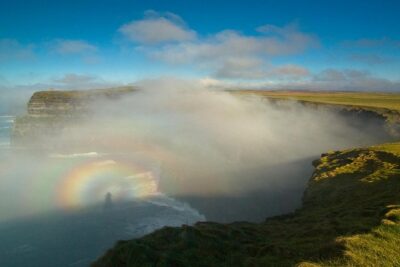
Dublin to Cliffs of Moher, including Wild Atlantic Way and Galway
Read our review →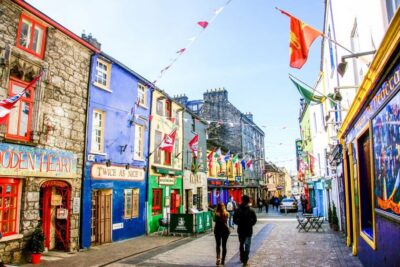
Cliffs of Moher, Burren & Galway City Day Tour
Read our review →
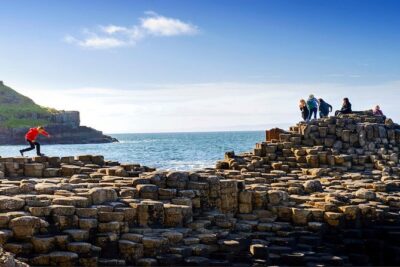
Dublin to Belfast Black Cab, Dunluce Castle and Giant’s Causeway
Read our review →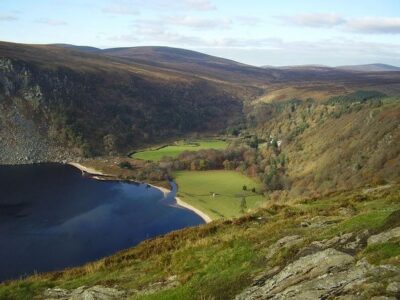
Kilkenny, Wicklow Mountains & Glendalough Day Tour from Dublin
Read our review →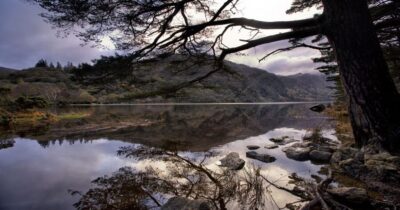
Wicklow Mountains, Glendalough & Kilkenny Tour
Read our review →
Dublin Highlights and Hidden Gems Guided Walking Tour
Read our review →Browse the lists this tour appears in