
Reviewed · DUBLIN TOURS
Vikings In Dublin (Walking Tour)
Dublin’s Viking story begins beside a longboat sculpture and quickly moves into the old heart of the city. On this 1.5-hour walk, you follow the route of a settlement that grew around the River Liffey, the place the Norse called Dubh Linn, or black pool. The route links cathedrals, old streets, castle grounds, and less obvious traces of Dublin’s early medieval past.
I like the way the tour connects well-known sights with Viking history, especially Christ Church Cathedral and Dublin Castle. I also like the guide’s thoughtful approach to Norse life, customs, and motives. You get more than a simple story about raiders, with attention given to how Viking society worked and how its influence reached beyond Ireland.
The main limitation is that the tour is offered in French only, so it will not suit you if you need an English-language walk. The 1.5-hour length keeps the outing manageable, but it also means the tour gives you a focused overview rather than a full study of Dublin’s Viking age.
Key points at a glance
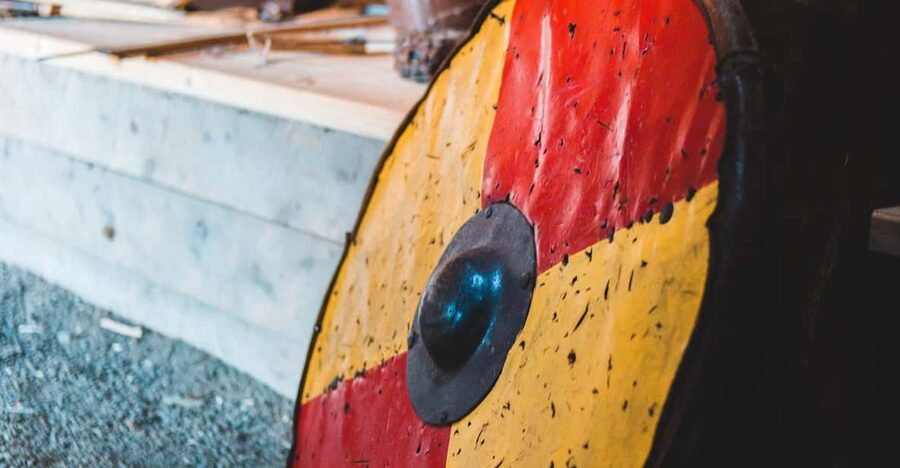
- Start beside a Viking longboat sculpture: The meeting point is Báite, the 1988 sculpture by Betty Newman Maguire.
- See the Viking story through central Dublin: The route includes Christ Church Cathedral, Saint Audoen’s, Fishamble Street, Dublin Castle, and Trinity College.
- Get a more balanced view of Norse settlers: The guide covers culture, customs, daily life, and motives, not only warfare.
- Expect a French-language tour: The live guide speaks French, which is an important factor when choosing this experience.
- Allow 1.5 hours: The compact format works well early in a Dublin visit or alongside other city plans.
- Benefit from flexible booking: You can cancel up to 24 hours before the tour for a full refund and reserve now while paying later.
Dublin’s Viking story begins at the Liffey
The tour opens at Báite, Viking Longboat, a sculpture created by Betty Newman Maguire in 1988. It is an apt meeting point. Before you begin looking at churches and streets, the longboat puts the sea at the center of Dublin’s story.
Viking settlers did not arrive in Ireland as a footnote to a larger English story. They came by water, traded, fought, settled, and helped create a permanent town around the Liffey. The name Dubh Linn points to the dark pool that gave Dublin its name, and the tour uses that idea to help you picture the city before its modern streets took shape.
I find this opening useful because it gives you a clear frame for the walk. You are not just moving between old buildings. You are tracing how a waterfront settlement became a city and how Norse activity affected trade, politics, religion, and daily life.
The precise meeting point matters in a busy city center. Look for the Viking longboat sculpture rather than relying only on a street address. Arriving a little early gives you time to identify the artwork and settle in before the walking begins.
More Walking Tours in Dublin
- Dublin Highlights and Hidden Gems Guided Walking Tour
★ 5.0 · 6,020 reviews - Dublin: Highlights and Hidden Gems Walking Tour
★ 4.9 · 2,140 reviews - 1916 Rebellion Walking Tour
★ 5.0 · 1,605 reviews
Christ Church Cathedral and the layers beneath Dublin
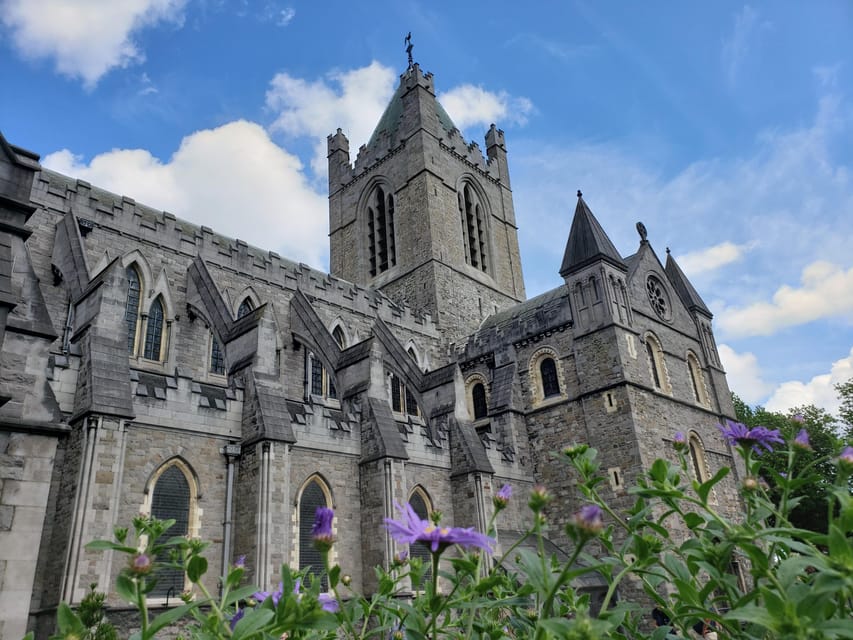
Christ Church Cathedral is one of the most important stops on the route. Its size and age make it a strong visual anchor, but the real value here is the chance to consider how Viking Dublin and later medieval Dublin occupied the same ground.
The cathedral represents the Christian world that interacted with, competed with, and eventually absorbed many Norse settlers. A visit here helps you move beyond the familiar picture of Vikings as outsiders who appeared, attacked, and disappeared. Their relationship with Ireland changed over time, and the city’s religious buildings reflect those layers.
You should expect the guide to explain the cathedral in relation to Dublin’s Viking period rather than treat it as a separate sightseeing stop. That connection is important. The walk is designed to show how the city’s later monuments can still point back to an earlier settlement.
The stop also gives the tour a strong sense of place. You are seeing a major Dublin landmark while learning how the city’s religious and civic life developed around the older settlement. If you want a full interior visit or extended cathedral tour, this experience may feel brief. Its purpose is interpretation during a walking route, not a long visit focused only on the cathedral.
Saint Audoen’s and an older corner of the city
Saint Audoen’s adds another layer to the route. Together with Christ Church Cathedral, it helps show how churches shaped the medieval city and how close together many of Dublin’s historic sites are.
This part of the walk is useful because it keeps the Viking story tied to real streets and buildings. You are not hearing about a remote past in isolation. You are standing in an area where later religious and civic structures developed around the early town.
The guide’s role matters most here. A short stop can either feel like a list of names or become part of a larger explanation about settlement, belief, and power. The available information points to a guide who explains events clearly, answers questions directly, and adds anecdotes without turning the walk into a lecture.
That style should suit you if you like history explained in plain language. It is also helpful if you are visiting Dublin with someone who wants context but does not want an academic seminar.
Fishamble Street and the city’s early trading life
Fishamble Street brings the walking tour closer to the everyday activity that made a settlement survive. The name itself suggests a connection with markets and food, while the street’s position in old Dublin makes it a natural place to discuss trade, movement, and the practical life of the town.
This is where the tour can make Viking Dublin feel more human. The Norse world was not only about ships and battles. It also involved merchants, craft workers, families, markets, customs, and links across the sea. The guide’s emphasis on culture and social life should help you understand those less dramatic but more lasting parts of the period.
I especially like this kind of stop because a street can reveal how a city functioned. A grand cathedral tells you about religion and power. A market street points toward food, work, exchange, and the daily routines that turned a settlement into a community.
The route is still a walking tour, so you should expect to absorb this material while standing outdoors and moving between sites. Wear comfortable shoes and dress for Dublin’s changeable weather. The tour is wheelchair accessible, but historic streets and entrances can still make movement slower than it would be in a modern museum. If mobility is a concern, it is sensible to discuss the route with the provider before booking.
A different sort of day from the same base:
- Dublin to Cliffs of Moher, including Wild Atlantic Way and Galway
★ 5.0 · 23,331 reviews - From Dublin: Cliffs of Moher, Burren & Galway City Day Tour
★ 4.8 · 18,888 reviews - Dublin: Guinness Storehouse Entry Ticket
★ 4.6 · 16,863 reviews - Dublin to Cliffs of Moher, Burren, Wild Atlantic Way, Galway Tour
★ 5.0 · 12,924 reviews
Dublin Castle and the changing shape of power
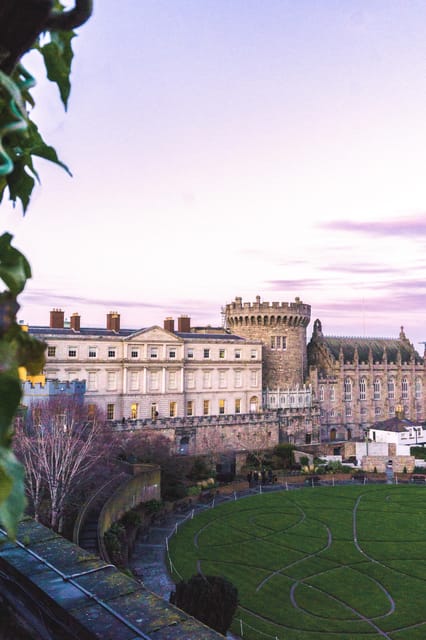
Dublin Castle is a striking contrast to the tour’s Viking beginnings. It represents later centers of authority, yet its location helps explain how control of Dublin developed over the centuries.
At this point, the story shifts from the first Norse settlement toward the wider political history of the city. The castle provides a useful way to think about changing rulers, institutions, and the long process by which Dublin became the capital you see today.
Do not expect the castle stop to be a full guided visit of every room or collection. The tour’s focus remains the Viking period and its influence. Instead, you use the castle as a landmark in the city’s changing story.
That approach offers good value if you want a historical orientation before exploring Dublin on your own. In 1.5 hours, you can see several important places and understand how they fit together. If you want detailed architectural commentary on Dublin Castle, you will need a separate visit.
The lesser-known stop and the value of interpretation
One stop is described only as a hidden or lesser-known place, without a public name in the tour details. That may be part of the appeal. The experience promises a guided look at a less obvious trace of Dublin’s early past rather than limiting the walk to landmarks you can find in any guidebook.
Because the exact site is not specified, you should not book this tour expecting a particular museum, excavation, or archaeological display. The useful point is the format: the guide takes you beyond the most famous buildings and draws attention to details you might otherwise pass without noticing.
This is also where the guide’s historical judgment becomes especially important. The strongest part of the experience appears to be the explanation of nuance. You get a picture of Norse settlers as people with traditions, ambitions, economic interests, and complicated relations with the communities around them.
For me, that is the difference between a themed walk and a useful city tour. You are not simply collecting Viking references. You are learning how to read Dublin’s streets and understand why the Viking period still matters.
Finishing at Trinity College
The stated final stop is Trinity College, which gives the route a convenient ending in central Dublin. Trinity is not presented as a dedicated Viking attraction, but it places the story within the wider history of Ireland’s capital.
By the time you reach Trinity, you will have moved through religious sites, old streets, civic power, and the remains of a city shaped by centuries of change. That makes the college a logical place to finish an overview, even if the tour does not include a separate Trinity College visit.
There is a small practical point to check before you go. The meeting information says the activity ends back at the meeting point, while the route describes Trinity College as the finish. Since those details do not match perfectly, confirm the exact end location when you book or meet the guide. Either way, the walk stays in central Dublin and should leave you well placed for further sightseeing.
What the guide adds to the experience
The live guide speaks French, and the guide’s presentation is a major part of the tour’s appeal. The available feedback describes a person who explains historical events clearly, responds well to questions, and uses anecdotes to keep the walk lively.
You can also expect an adaptable approach. One account describes the guide adjusting to a partner’s minor health problem, which suggests some attention to the pace and needs of the people in the group. That does not guarantee a custom itinerary, but it is a useful sign if you prefer a human guide to a fixed audio route.
The most praised quality is the balanced treatment of Viking society. The guide does not reduce the Norse world to a story about barbarians. Instead, you learn about customs, culture, motives, and the lasting effects of settlement.
That matters because Viking history is easy to oversimplify. A good guide can explain violence without making it the whole story. You should come away with a clearer idea of how Norse communities fit into Ireland and how their presence helped shape Dublin.
Is $45 fair for 1.5 hours?
At $45 per person, this is not the cheapest way to walk around Dublin. You can see many city-center streets for free, and several major landmarks can be visited independently.
The price makes more sense if you want a guide who joins the places into one story. You are paying for a focused route, live interpretation in French, historical context, and the chance to ask questions. The tour also covers several significant locations in a short time, which can save you from piecing together the Viking story yourself.
Value depends on your priorities. If you already know Dublin well and mainly want entry into attractions, $45 may feel high because the experience is a guided outdoor walk rather than a ticketed museum visit. If you are new to the city and want an efficient introduction to its Norse roots, the cost is easier to justify.
The 1.5-hour format is another part of the value. It is long enough to give the subject shape but short enough to fit around a cathedral visit, a meal, or another central Dublin activity. I would place it early in a stay, when the historical context can improve your understanding of later sightseeing.
Who should book this Dublin walk?
I would recommend this tour if you:
- Want to understand Dublin through its Viking origins
- Prefer a live guide to exploring historical sites alone
- Speak French or are comfortable following a French-language tour
- Like city walks that combine famous landmarks with less obvious stops
- Have about 90 minutes and want a focused introduction
- Appreciate history explained with balance, anecdotes, and room for questions
It may not be the right choice if you need an English-language guide, want a long visit inside Christ Church Cathedral, or prefer a tour devoted only to archaeology. The Viking theme is central, but the route also covers later buildings and the broader development of Dublin.
The tour is wheelchair accessible, which widens its usefulness, though the historic center can still present practical challenges. Contacting MP Tour Guiding ahead of time is wise if you need specific assistance.
Booking flexibility and timing
You can cancel up to 24 hours before the experience for a full refund. You can also reserve your place and pay later, which is helpful when your Dublin schedule is still changing.
Starting times vary, so check availability before building the rest of your day around the walk. The meeting point is the Viking longboat sculpture, and you should confirm the final stop because the route details identify Trinity College while the meeting information refers to returning to the starting point.
Should you book Vikings in Dublin?
Book it if you want a compact, thoughtful introduction to the Norse foundations of Dublin and can follow a French-language guide. The best reason to choose it is the balance between clear history and real streets: Christ Church Cathedral, Saint Audoen’s, Fishamble Street, Dublin Castle, and Trinity College all become pieces of one story.
Skip it if you need English commentary or want extensive time inside individual attractions. For the right audience, $45 buys more than a walk past old buildings. It gives you a framework for understanding how a waterfront settlement called Dubh Linn became Dublin.
FAQ
How long does the Vikings in Dublin walking tour last?
The tour lasts 1.5 hours. Starting times vary, so check availability for the date you want.
How much does the tour cost?
The listed price is $45 per person.
Where does the tour start?
The meeting point is beside Báite, Viking Longboat, a 1988 sculpture by Betty Newman Maguire.
Where does the tour finish?
The route identifies Trinity College as the final stop. The meeting information also says the activity ends back at the meeting point, so confirm the exact end location when booking.
What language is the tour offered in?
The live guided tour is offered in French.
Is the walking tour wheelchair accessible?
Yes. The activity is listed as wheelchair accessible.
Can I cancel for a refund?
Yes. You can cancel up to 24 hours in advance for a full refund.
Can I reserve now and pay later?
Yes. You can reserve your place and pay later, allowing you to keep your plans flexible.
Recently added around Dublin
- Dublin: Pub Tour. Pour The Perfect Guinness, Whiskey & Music★ 5.0 · 3 reviews
- Waterford Crystal and Kilkenny Full-Day Rail Tour from Dublin★ 5.0 · 3 reviews
- Cliffs of Moher and The Burren Private Tour from Dublin★ 5.0 · 3 reviews
- Private Chauffeur Service From Dublin Airport to Killarney★ 5.0 · 3 reviews
- Beautiful Southwest Tour 2022★ 5.0 · 3 reviews
- A Self Guided Walking Tour of Dublin’s Docklands★ 4.5 · 3 reviews
- Dublin One Day Tour with a Local: 100% Personalized & Private★ 4.5 · 3 reviews
- Ireland: 3-Day West Coast Explorer Tour★ 5.0 · 3 reviews
Dublin Tours, compared.

Dublin to Cliffs of Moher, including Wild Atlantic Way and Galway
Read our review →
Cliffs of Moher, Burren & Galway City Day Tour
Read our review →

Dublin to Belfast Black Cab, Dunluce Castle and Giant’s Causeway
Read our review →
Kilkenny, Wicklow Mountains & Glendalough Day Tour from Dublin
Read our review →
Wicklow Mountains, Glendalough & Kilkenny Tour
Read our review →

Dublin Highlights and Hidden Gems Guided Walking Tour
Read our review →Browse the lists this tour appears in