
Reviewed · DUBLIN TOURS
Dublin: LGBT Pride Walking Tour with Queer History
Dublin’s queer history is written into ordinary streets, colleges, pubs, and protest sites. This two-hour walk connects those places with stories of revolutionaries, civil rights campaigners, pride pioneers, and gender identity trailblazers, giving you a side of Irish history that many sightseeing tours skip.
I like the clear route through central Dublin, especially the stops at Liberty Hall and Trinity College. I also like the human scale of the tour: Helena brings personal warmth, humor, and time for questions rather than delivering a dry lecture. The main consideration is that this is a history-focused walking tour, so you should expect discussion and city streets rather than visits inside every landmark.
Key points to know before you book
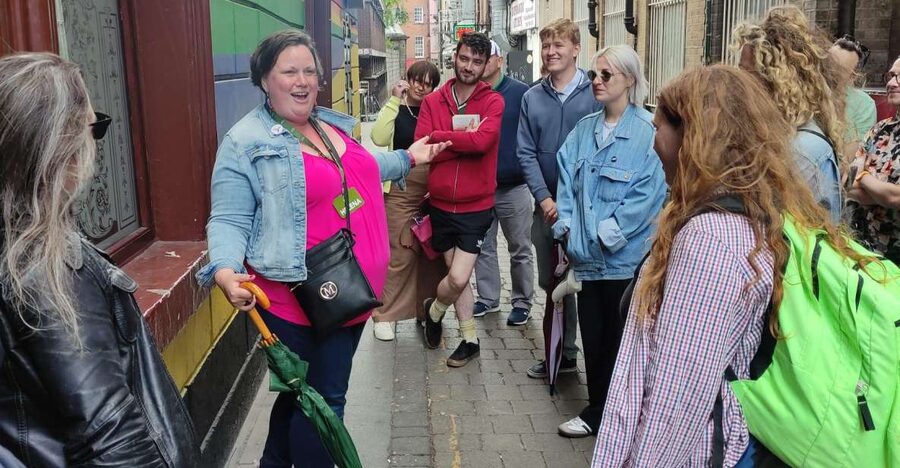
- Liberty Hall connects the tour to Ireland’s first pride protest, adding political weight to the walk.
- Helena guides with warmth and humor, while linking past struggles to present-day LGBTQ+ issues.
- Panti Bliss and Dr Lydia Foy are among the figures whose stories help explain Ireland’s long fight for recognition.
- Trinity College, the Hirschfield Centre, Diceman’s Corner, and the George give the history a clear physical setting.
- The tour costs $27 and lasts two hours, a fair price for a focused, guide-led introduction to Dublin’s queer past.
- Comfortable shoes matter, and the route is listed as wheelchair accessible.
Why Dublin’s queer past deserves a walking tour
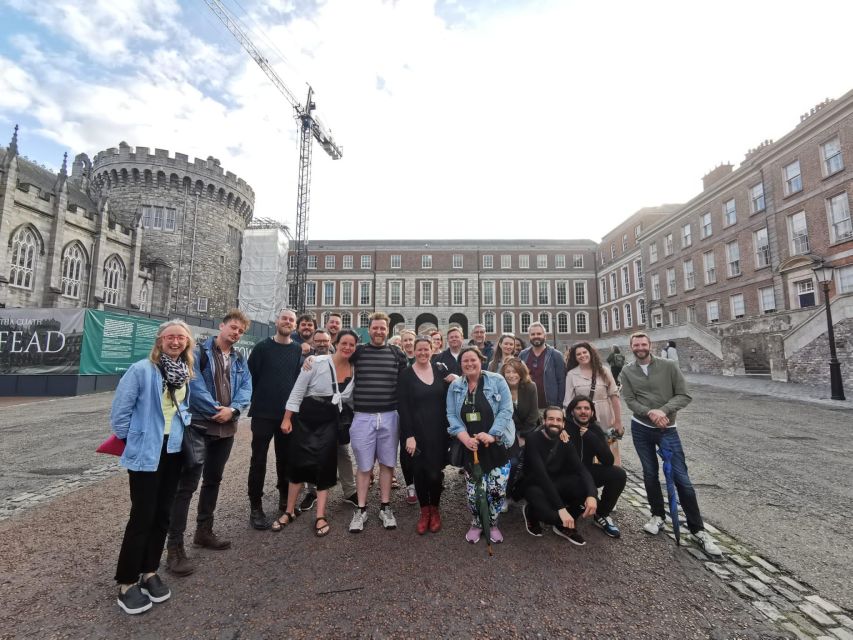
This is not simply a tour of LGBTQ+ venues. It is a walk through Ireland’s changing ideas about identity, public life, protest, and equal rights.
The route follows a country that moved from exclusion and abuse toward legal recognition and marriage equality. That change did not happen by accident, and the tour uses people and places to show how campaigners pushed public debate forward.
I find this approach more useful than a string of dates. You hear about people who challenged accepted rules, then connect their work to streets and buildings around you. The result is a clearer sense of how social change took place in real places, through public protest, legal battles, personal courage, and community organizing.
The tone also matters. The subject includes discrimination and hardship, but the tour is not presented as a march through misery. Helena’s style, based on the available descriptions, mixes important material with wit, warmth, and personal anecdotes. That balance should suit you if you want serious history without a stiff classroom feel.
More Historical Tours in Dublin
- Dublin Historical Centre Food Tour with 8 Food Tastings & Drinks
★ 5.0 · 1,718 reviews - 2-Hour Historical Walking Tour from Dublin
★ 5.0 · 875 reviews - Historical 2-Hour Guided Walking Tour of Dublin
★ 4.7 · 865 reviews
Meeting at the Old Storehouse
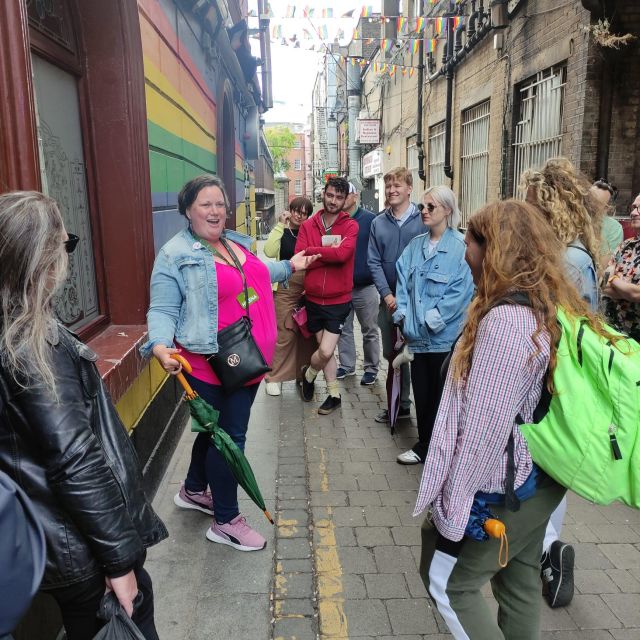
The tour begins directly outside the Old Storehouse Bar & Restaurant. Look for the guide carrying a green umbrella, a simple detail that makes the meeting point easier to spot in central Dublin.
This is a walking tour, so you do not need to manage transport between stops. That keeps the focus on the city around you and allows the guide to point out how queer history sits alongside familiar Dublin sights.
The tour returns to the same meeting point at the end. That is handy for planning your day, especially if you want to continue with lunch, a pub visit, or another central Dublin attraction afterward.
You should wear comfortable shoes. Two hours on city streets is manageable for most people, but this is not a sit-down activity. Bring clothing suited to Dublin’s changeable weather, although the supplied details specifically require only comfortable footwear.
Liberty Hall and the first pride protest
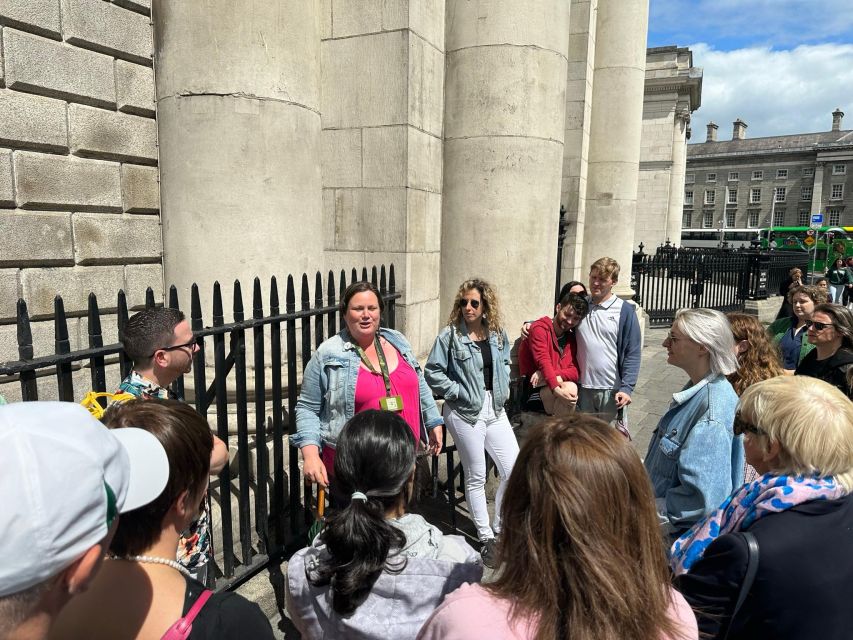
One of the most important early stops is Liberty Hall, where you hear about the first pride protest in Ireland.
This stop gives the wider story a firm starting point. Pride is often treated as a colorful annual celebration, but its roots lie in people taking public action when silence and exclusion were the norm. Standing near the place connected with that first protest helps turn an abstract movement into a local event with a physical address.
I especially value stops like this because they show that public space matters. A protest needs a street, a building, and an audience. Liberty Hall helps explain how LGBTQ+ rights became part of Ireland’s visible civic conversation.
The guide also places queer activism alongside Ireland’s broader political story. The tour covers Irish revolutionaries and civil rights agitators, showing that LGBTQ+ history is not separate from the country’s modern history. It is part of the same story of people demanding a voice in public life.
The General Post Office and Panti Bliss
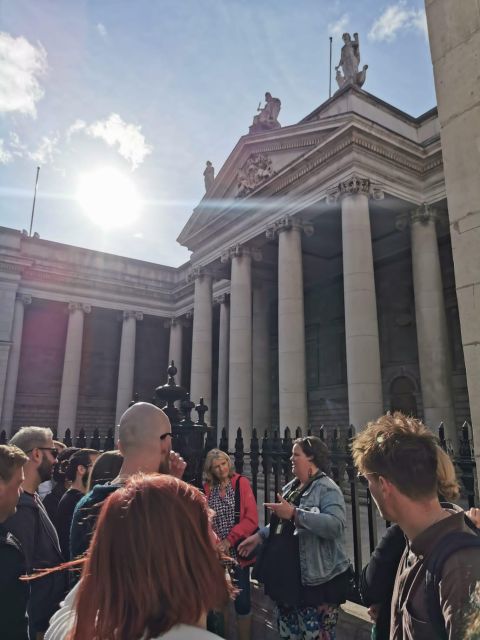
The route passes the General Post Office, one of Dublin’s best-known landmarks. Here, the focus turns to revolutionary queer figures, including Panti Bliss.
The value of this stop comes from the contrast. The General Post Office is familiar to almost anyone visiting Dublin, but the story told beside it may be new to you. A standard city tour usually emphasizes the building’s role in the 1916 Rising. This experience adds another layer by discussing queer identity, public speaking, activism, and the continuing fight for equality.
Panti Bliss is a particularly accessible figure for the tour because her public work links performance, politics, and LGBTQ+ rights. The supplied details identify her as one of the important personalities discussed, and the guide uses such figures to show how individual voices can move a national conversation.
Expect this part of the walk to connect the past with present-day issues. The tour does not stop at historic protest. It also considers the continuing challenges faced by the LGBTQ+ community, making the history feel current rather than sealed away in a museum.
More Walking Tours in Dublin
- Dublin Highlights and Hidden Gems Guided Walking Tour
★ 5.0 · 6,020 reviews - Dublin: Highlights and Hidden Gems Walking Tour
★ 4.9 · 2,140 reviews - 1916 Rebellion Walking Tour
★ 5.0 · 1,605 reviews - 90 Minute Dublin Walking tour and Sightseeing tips
★ 5.0 · 916 reviews
Trinity College and the Sexual Liberation Movement
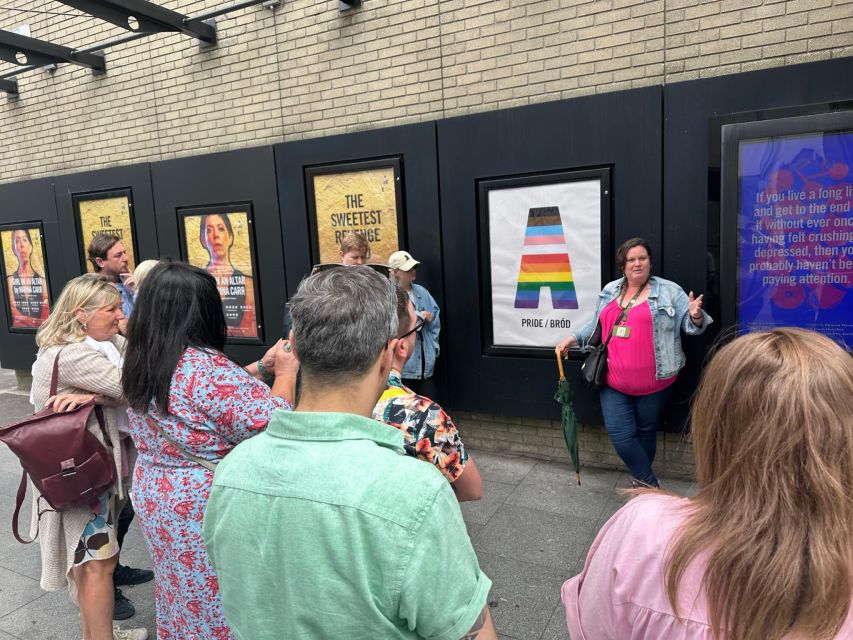
At Trinity College, the discussion turns toward the Sexual Liberation Movement.
This is a useful change of setting. Liberty Hall and the General Post Office place the story in the world of protest and national politics. Trinity College brings in students, ideas, debate, and changing attitudes toward sexuality.
The college stop also shows why a walking route works so well here. You are not just told that social attitudes changed. You see one of Dublin’s major institutions while discussing the people and movements that challenged older views.
Do not expect a full college tour. Trinity College functions as a historical location within the wider walk, not as a separate campus visit. The appeal is the discussion that takes place around the site, and the way it helps explain the intellectual and social forces behind sexual liberation.
If you already know Dublin’s major landmarks, this section can refresh your view of them. If this is your first visit, it gives you a reason to look beyond the standard postcard version of the city.
Dr Lydia Foy and the fight for gender recognition
The tour also tells the story of Dr Lydia Foy and the Gender Recognition Act.
This is one of the walk’s most important sections because it moves beyond broad references to equality and focuses on gender identity. Dr Foy’s story helps you understand the long effort required to gain official recognition and legal rights.
The subject can be difficult, but it is also essential. Ireland’s progress toward equality was uneven, and the tour presents that change as a hard-won process rather than a simple national success story.
For you, the practical benefit is context. The phrase marriage equality can sound like the final chapter, but the discussion of Dr Foy and the Gender Recognition Act shows that different parts of the LGBTQ+ community faced different legal and social barriers.
This section should appeal to anyone who wants more than a quick look at famous names. It gives the walk substance and helps explain why recognition, identity, and equal treatment remain important topics.
The Hirschfield Centre and community life
The Hirschfield Centre is another significant location on the route.
The tour’s focus on this site brings attention to the importance of community spaces. LGBTQ+ history is not only made through court cases and public demonstrations. It also grows through places where people can meet, organize, find support, and build a sense of belonging.
The supplied details do not specify exactly how long the group stays at each location, so you should think of the Hirschfield Centre as part of a connected route rather than a lengthy standalone visit. The guide’s explanation is the main attraction.
This is where Helena’s reported approach sounds especially useful. She is described as bringing personal anecdotes, answering questions, and chatting with the group as they move between stops. That informal contact can help make a serious subject easier to follow.
Diceman’s Corner and the George
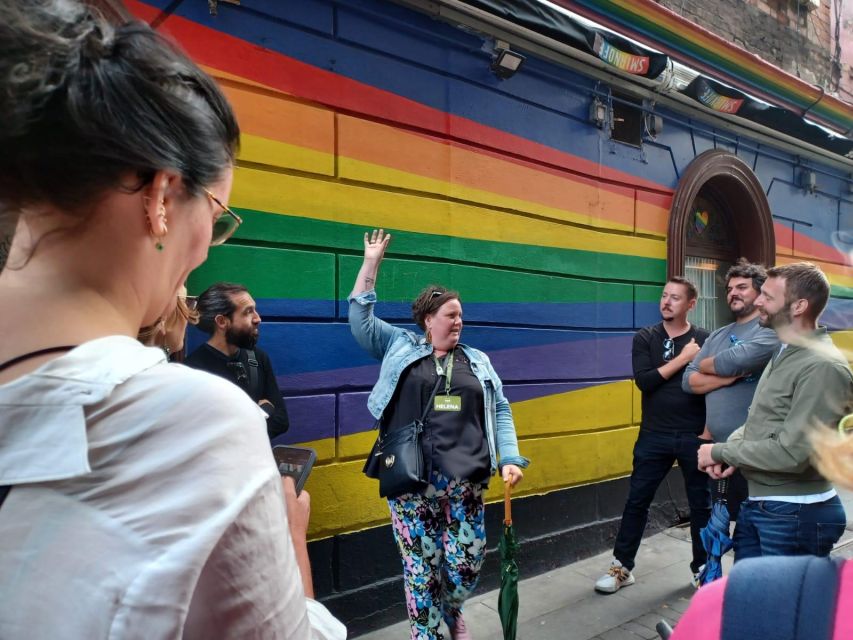
The walk passes Diceman’s Corner and the George, described as Ireland’s most iconic LGBTQ venue.
These stops bring the story closer to community nightlife and public LGBTQ+ culture. The George, in particular, helps show how venues can become more than places for entertainment. They can serve as meeting points, symbols, and visible signs of changing social attitudes.
Diceman’s Corner adds another named location to the route and helps keep the tour grounded in Dublin’s streets. Rather than treating queer history as something found only in official buildings, the walk points to the less formal places where community life took shape.
The stops may be most rewarding if you pay attention to the connection between visibility and safety. A venue that is openly identified with LGBTQ+ life tells you something about the city’s present. The stories attached to it also remind you that such visibility was not always easy or accepted.
Again, this is a walking tour, not a nightlife crawl. You pass important locations and hear their stories. The experience does not promise entry, drinks, performances, or time spent inside each venue.
Helena’s guide style and the pace of the walk
Helena is the guide named most often in the supplied feedback, with one spelling appearing as Helene. She is described as welcoming, genuine, down to earth, witty, humorous, energetic, and passionate about the subject.
Those qualities matter on a two-hour history walk. A guide can have plenty of facts and still lose a group if the delivery feels flat. Helena’s strength appears to be the mix of information and conversation. She answers questions, adds personal anecdotes, and chats between locations rather than treating the group as a silent audience.
Several specific comments praise the way she connects past struggles with ongoing challenges. That is a strong sign for anyone who wants both historical background and present-day context.
The pace should feel manageable for people who enjoy walking and listening. Two hours is long enough to cover a meaningful route, but short enough to fit into a day of sightseeing. The tradeoff is that the tour cannot give every topic equal depth. You will get a guided introduction with focused stories, not an academic survey of all Irish LGBTQ+ history.
What the $27 price includes
At $27 per person, the tour sits in a reasonable range for a two-hour guided activity in central Dublin.
The price includes the walking tour and a live English-speaking guide. You are paying mainly for the guide’s research, storytelling, route design, and ability to connect sites that you might otherwise pass without noticing.
I see good value here if you are interested in social history or want to understand Dublin beyond its usual attractions. A self-guided walk would cost less, but you would need to research the people and locations yourself, then work out how the sites connect.
The value is less clear if you want a general city orientation. This tour is narrow by design. It does not aim to cover Dublin Castle, literary landmarks, food, architecture, or the full story of the city.
You can also reserve now and pay later, which gives you some flexibility when arranging your Dublin schedule. Cancellation is free up to 24 hours in advance for a full refund.
Who should take this Dublin walking tour?
I would recommend this tour to:
- Anyone interested in LGBTQ+ history, civil rights, or social change
- Visitors who want a different angle on familiar Dublin landmarks
- LGBTQ+ visitors looking for local context and community history
- Parents and older teenagers who enjoy history told with humor and human detail
- Repeat visitors who have already covered Dublin’s standard attractions
- People who prefer a small-scale, guide-led experience over a museum visit
The tour can also work well for visitors who know little about Ireland’s queer past. The route moves from protest and revolution to legal recognition, gender identity, community spaces, and present-day challenges.
You should be comfortable with a focused history discussion. The tour may not suit you if you want a relaxed pub outing, a broad city tour, or an activity with lots of time indoors.
The activity is listed as wheelchair accessible. If access needs are important for your booking, confirm the route details and meeting arrangements when checking availability, since the supplied information does not describe the street surfaces or individual stops.
Is the tour worth booking?
Book it if you want to understand how Ireland’s LGBTQ+ movement helped reflect and shape social change. The strongest reason to go is the combination of place and story: Liberty Hall, the General Post Office, Trinity College, the Hirschfield Centre, Diceman’s Corner, and the George all gain new meaning through the guide’s commentary.
The tour also earns its price through its focus. Helena’s warm, funny, personal style should keep the two hours moving, while the subjects remain serious enough to leave you with something to think about.
Skip it if your priority is a general introduction to Dublin or a venue-based nightlife experience. For everyone else, especially visitors seeking a thoughtful way to see familiar streets differently, this is a useful and memorable addition to a Dublin itinerary.
FAQ
How long is the Dublin LGBT Pride Walking Tour?
The tour lasts two hours.
What language is the tour conducted in?
The live tour guide speaks English.
Where does the tour begin?
Meet your guide directly outside the Old Storehouse Bar & Restaurant. Look for someone carrying a green umbrella.
Where does the tour end?
The activity ends back at the meeting point outside the Old Storehouse Bar & Restaurant.
Is the walking tour wheelchair accessible?
Yes, the activity is listed as wheelchair accessible.
Can I cancel the tour for a full refund?
Yes. You can cancel up to 24 hours in advance for a full refund.
Recently added around Dublin
- Dublin: Pub Tour. Pour The Perfect Guinness, Whiskey & Music★ 5.0 · 3 reviews
- Waterford Crystal and Kilkenny Full-Day Rail Tour from Dublin★ 5.0 · 3 reviews
- Cliffs of Moher and The Burren Private Tour from Dublin★ 5.0 · 3 reviews
- Private Chauffeur Service From Dublin Airport to Killarney★ 5.0 · 3 reviews
- A Self Guided Walking Tour of Dublin’s Docklands★ 4.5 · 3 reviews
- Beautiful Southwest Tour 2022★ 5.0 · 3 reviews
- Dublin One Day Tour with a Local: 100% Personalized & Private★ 4.5 · 3 reviews
- Ireland: 3-Day West Coast Explorer Tour★ 5.0 · 3 reviews
Dublin Tours, compared.

Dublin to Cliffs of Moher, including Wild Atlantic Way and Galway
Read our review →
Cliffs of Moher, Burren & Galway City Day Tour
Read our review →

Dublin to Belfast Black Cab, Dunluce Castle and Giant’s Causeway
Read our review →
Kilkenny, Wicklow Mountains & Glendalough Day Tour from Dublin
Read our review →
Wicklow Mountains, Glendalough & Kilkenny Tour
Read our review →

Dublin Highlights and Hidden Gems Guided Walking Tour
Read our review →Browse the lists this tour appears in